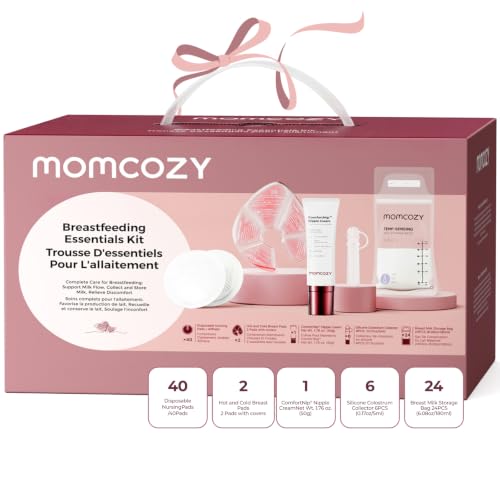
Essentials for Breastfeeding: Your Complete Nursing Gear Guide
Whether you are preparing for your first nursing journey or refining your setup, understanding which breastfeeding essentials truly matter makes all the difference. This guide breaks down every category of nursing gear so you can build a practical, comfortable, and efficient breastfeeding station from day one.
Explore the EssentialsWhy this guide matters: New parents often receive conflicting advice about what breastfeeding gear is genuinely necessary. The truth is that a well-chosen set of essentials simplifies nursing, supports milk supply, and reduces daily frustration. Below, we explain each category, what to look for, and how different tiers compare — so you can make confident decisions before your baby arrives.
The Core Breastfeeding Essentials Every Mom Needs
Breastfeeding is a natural process, but it benefits enormously from the right support tools. The essentials fall into several practical categories: milk expression equipment, feeding support items, comfort and care products, and storage solutions. Understanding what each category does helps you prioritize your setup based on your lifestyle, whether you plan to nurse exclusively at the breast, pump regularly, or combine both.
Breast Pump
The cornerstone of any pumping routine. A double electric pump is the most efficient choice for establishing and maintaining supply, while a manual or silicone pump works well as a backup or for occasional relief. Look for adjustable suction and cycle settings, comfortable flange sizing, and quiet operation. For hands-free convenience, explore a double electric breast pump hands-free option that fits your daily flow.
Nursing Pillow
A supportive nursing pillow positions your baby at the correct height and angle, reducing strain on your back, neck, and wrists during long feeding sessions. Firm, wraparound designs offer the best ergonomic support. This is one of the most-used items in the early months and directly affects your comfort during frequent feedings.
Nursing Bras
Comfortable, supportive nursing bras with easy one-hand clasp access are non-negotiable. Plan for three to four bras to allow rotation and accommodate normal size fluctuations. Seamless, wire-free designs reduce pressure points and are ideal for the early postpartum period when tenderness is common.
Nursing Pads
Reusable or disposable nursing pads protect clothing from leakage and keep skin dry between feedings. Reusable options are a long-term investment that reduces waste, while disposable pads offer convenience during travel or the early weeks. Whichever you choose, breathable materials help prevent irritation.
Nipple Cream
A safe, lanolin-based or plant-based nipple cream soothes tenderness and supports skin recovery during the adjustment period. Choose a formulation that does not need to be wiped off before feeding, and apply after each session in the early weeks to build resilience.
Milk Storage Containers
Food-grade storage bags or bottles with secure seals are vital for building a milk stash. Bags save space in the freezer and are convenient for on-the-go feeding, while bottles are reusable and easier to measure precisely. Label everything with date and time to maintain a clear rotation system.
Nursing Cover
A breathable nursing cover provides privacy and confidence when feeding in public or around guests. Look for lightweight, stretchy fabrics with an adjustable neckline that allows eye contact with your baby. This is a comfort and confidence item rather than a strict necessity, but many mothers find it invaluable.
Pumping Bra
A hands-free pumping bra holds flanges securely in place, freeing your hands for reading, working, or caring for your baby during pumping sessions. This is especially useful for mothers who pump regularly or return to work. Pair it with your pump for a streamlined routine.
Comparing Breast Pump Tiers: What Different Levels Offer
Breast pumps vary significantly in features, portability, and motor performance. Rather than focusing on specific figures, it helps to understand how entry-level, mid-range, and premium tiers differ in practical terms. The table below outlines the general characteristics you can expect from each tier so you can match your choice to your pumping frequency and lifestyle.
| Tier | Best For | Key Characteristics |
|---|---|---|
| Entry-Level | Occasional pumping, backup use | Manual or basic single electric design; fewer adjustable settings; lighter motor; suitable for short, infrequent sessions |
| Mid-Range | Regular pumping, part-time work | Double electric with multiple suction and cycle settings; quieter motor; better flange sizing options; decent portability |
| Premium | Frequent or exclusive pumping | Advanced motor with fine-tuned controls; closed-system hygiene; very quiet operation; highly portable; strong suction consistency |
| Professional-Grade | Exclusive pumping, supply challenges | Hospital-strength suction; multi-user capable with hygiene barriers; durable heavy-duty motor; designed for extended daily use |
A mid-range double electric pump typically offers a smoother and more efficient expression experience than an entry-level manual model, while a premium tier adds refinement in noise reduction, portability, and comfort. For mothers who pump daily, the investment in a higher tier often pays off through better efficiency and comfort. If you are exploring ways to access a pump through insurance, a portable breast pump through insurance may be an option worth investigating.
How to Set Up a Practical Nursing Station
A well-organized nursing station reduces stress and makes middle-of-the-night feedings far more manageable. The goal is to have everything you need within arm's reach so you can focus on your baby rather than searching for supplies. Consider these components when building your station:
- Comfort seating: A supportive chair or glider with good back support and armrests. A nursery rocking chair is a classic choice that supports relaxed feeding posture.
- Hydration and snacks: Breastfeeding increases fluid needs, so keep a water bottle and easy snacks nearby.
- Lighting: A dimmable lamp or night light so you can feed without fully waking your baby or yourself.
- Burp cloths and spare pads: Keep a small basket with burp cloths, nursing pads, and a change of baby clothes.
- Phone or tablet charger: Long feeding sessions are easier with entertainment within reach.
- Nipple cream and tissues: Quick access to comfort items makes early feeding sessions smoother.
Set up a small basket or caddy that you can move between rooms. This portable approach keeps essentials organized whether you nurse in the nursery, living room, or bedroom.
Milk Storage and Handling: Getting It Right
Proper milk storage protects your baby's health and preserves the nutritional quality of expressed milk. The key principles are cleanliness, correct container choice, and consistent labeling. Always wash hands before expressing, use clean containers, and store milk in the coolest part of the refrigerator or freezer — not in the door, where temperature fluctuates.
Label each container with the date and time of expression. Use a first-in, first-out rotation so older milk is consumed first. When thawing, place the container in the refrigerator overnight or under warm running water — never microwave breast milk, as this can create hot spots and damage nutrients. Gently swirl rather than shake to mix separated fat back in.
Follow current health authority guidelines for safe storage durations at room temperature, refrigerator, and freezer temperatures. When in doubt, use milk sooner rather than later, and never refreeze thawed milk.
Comfort and Recovery Items That Support Nursing
Breastfeeding places physical demands on your body, especially in the early weeks. Comfort items are not luxuries — they directly support your ability to continue nursing comfortably. Consider these supportive essentials:
Nipple Shields and Covers
For mothers experiencing latch challenges or tenderness, silicone nipple covers for breastfeeding can provide a protective barrier and ease discomfort. Consult a lactation consultant before regular use to ensure they support rather than interfere with latch.
Nursing-Friendly Clothing
Easy-access tops, dresses, and sleepwear reduce the friction of frequent feedings. Look for soft, breathable fabrics with discreet openings that allow quick access without fully undressing.
Postpartum Care Items
Recovery items such as perineal care products and comfortable underwear support your overall postpartum comfort. A well-rounded postpartum care kit complements your breastfeeding setup.
Manual Pump Backup
A silicone manual breast pump is a compact, portable backup for relieving engorgement or catching let-down from the opposite breast during feeding. It is lightweight and requires no power source.
Supporting Milk Supply Through Your Gear Choices
Your gear choices can either support or hinder milk supply. Frequent and effective milk removal is the primary driver of supply, so equipment that fits well and operates efficiently matters. Flange size is a commonly overlooked factor — an ill-fitting flange reduces milk output and causes discomfort. Measure your nipple diameter and choose a flange that allows a small amount of areola to be drawn into the tunnel without excessive rubbing.
A double pump that allows simultaneous expression saves time and often improves output by stimulating both breasts at once. If you are returning to work or need to pump away from your baby, portability and battery life become important considerations. Pairing a reliable pump with a hands-free pumping bra creates an efficient routine that supports consistent supply.
Pump after morning feedings when supply is naturally highest. Consistency matters more than duration — regular, effective sessions signal your body to maintain production.
What You Can Skip (and What to Prioritize Instead)
The breastfeeding market is crowded, and not every product is essential. Specialized gadgets such as milk warmers and sterilizers can be convenient but are not necessary for every household. A pot of hot water can warm a bottle, and boiling water or steam can sterilize pump parts. Prioritize the core essentials — pump, pillow, bras, pads, storage, and nipple cream — before adding convenience items.
Similarly, you do not need a large inventory of bottles before your baby arrives. Start with a small set and observe which nipple shape and flow rate your baby accepts. Many mothers find that a gradual approach prevents unused items from accumulating.
When to Consult a Lactation Professional
Breastfeeding challenges are common, and professional support can make a significant difference. Consider consulting a lactation consultant if you experience persistent pain, difficulty latching, low milk output concerns, or recurring plugged ducts. A consultant can assess latch, recommend flange sizing, and help you choose equipment that fits your body and routine. Early support often prevents small issues from becoming larger obstacles.
Frequently Asked Questions About Breastfeeding Essentials
The core essentials include a quality breast pump, supportive nursing bras, a comfortable nursing pillow, milk storage containers, nursing pads for leakage protection, and nipple cream for comfort. These items form the foundation of a practical breastfeeding setup.
Yes, most mothers benefit from having a pump even when primarily nursing directly. A pump helps relieve engorgement, maintain supply during separation from baby, allows others to feed the baby, and builds a stash for emergencies or return to work.
A practical starting point is three to four nursing bras. This allows for rotation between washes and accommodates normal size fluctuations during the early postpartum weeks. Choose comfortable, supportive designs with easy one-hand clasp access.
Prioritize adjustable suction strength, customizable cycle speed, comfortable flange sizing, quiet operation, and portability. Double electric pumps are the most efficient for establishing and maintaining supply. Consider whether you need a closed-system design for hygiene and multi-user safety.
Use clean, food-grade containers with tight-fitting lids. Store in the back of the refrigerator or freezer rather than the door. Label with the date and time of expression. Follow current guidelines for safe storage durations at room temperature, refrigerator, and freezer temperatures.
Build Your Breastfeeding Setup with Confidence
Now that you understand the essentials, take the next step. Explore our detailed buying guides and product recommendations to find the right gear for your nursing journey.
View Recommended ProductsRelated Guides to Complete Your Preparation
Preparing for a new baby involves more than breastfeeding gear. These related guides help you cover the full spectrum of newborn preparation:
- Newborn Must-Haves — a complete checklist for the first weeks home.
- Things Needed for Mom After Giving Birth — recovery essentials for the postpartum period.
- Things You Actually Need for a Newborn — a realistic look at newborn gear.