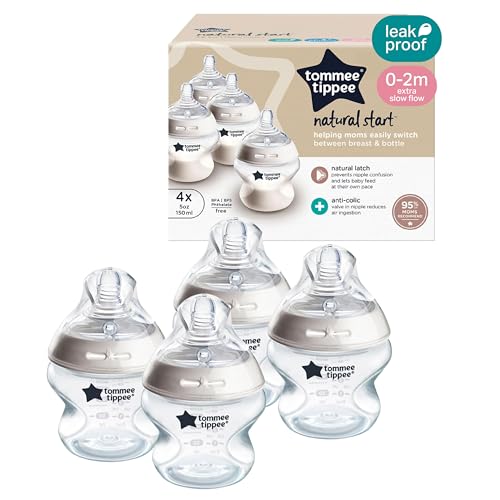
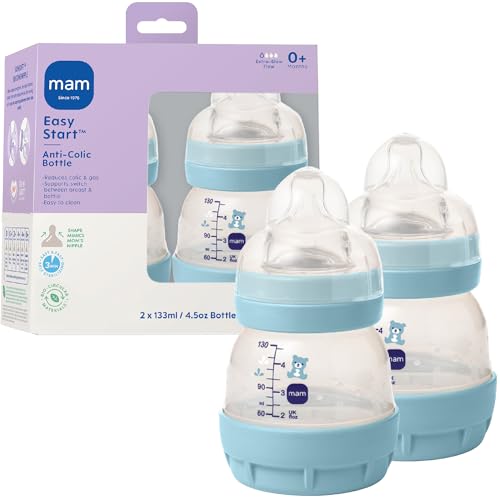
What Is an Extra Slow Flow Bottle?
An extra slow flow bottle is designed with the lowest-flow nipple available on the market. The nipple opening is intentionally small, so milk is released in tiny, controlled amounts with each suck. This mirrors the early breastfeeding experience, where a newborn must work gently to extract colostrum and transitional milk.
Extra slow flow nipples are typically labeled as "preemie" or "level 0" by many manufacturers, sitting below the standard slow flow (level 1) nipple. They are the go-to choice for the first weeks of life, for premature infants, and for breastfed babies who need bottle supplementation without disrupting their latch.
Why Newborns Benefit from Extra Slow Flow Nipples
Newborns drink in a rhythm that is fundamentally different from older babies. Their suck-swallow-breathe coordination is still maturing, and a fast flow can overwhelm them. Here is why an extra slow flow nipple supports healthy feeding:
- Reduces overfeeding risk: A slower flow gives your baby's fullness hormones time to register, helping prevent the discomfort of a too-full tummy.
- Supports paced feeding: Parents can more easily control the pace of the feed, mimicking the natural pauses of breastfeeding.
- Lower risk of gagging and choking: A controlled drip rate matches the newborn's swallowing capacity.
- Eases the transition between breast and bottle: Breastfed newborns are less likely to develop a preference for the faster, easier bottle flow.
- Gentler on tiny tummies: Slower intake reduces the amount of air swallowed, which can ease gas and colic symptoms.
Understanding Nipple Flow Levels
Bottle nipple flow levels are not standardized across brands, which is why reading the packaging carefully matters. Below is a general overview of how flow levels are typically organized and what each tier is best suited for.
| Tier | Typical Label | Best For | Key Characteristics |
|---|---|---|---|
| Essential tier | Preemie / Level 0 / Extra Slow Flow | Newborns, premature infants, breastfed babies needing supplementation | Smallest opening; minimal drip; requires active sucking; ideal for the first 2–6 weeks |
| Balanced tier | Slow Flow / Level 1 | Most newborns and young infants | Moderate drip; standard starting point for many full-term babies |
| Mid-tier | Medium Flow / Level 2 | Babies around 3–6 months | Faster flow; supports increased intake volume as appetite grows |
| High-end tier | Fast Flow / Level 3–4 | Older infants and toddlers | Highest drip rate; for well-established feeding skills |
Keep in mind that these labels are only a guide. Your baby's individual feeding style, temperament, and developmental stage are the most reliable indicators of when to change flow levels.
Key Features to Look For in an Extra Slow Flow Bottle
Nipple Material and Shape
Silicone and latex are the two primary nipple materials. Silicone is the modern standard — it is odor-resistant, durable, and free of the proteins that can trigger latex allergies. Nipple shape matters too: wide-base nipples that mimic the breast are often preferred by breastfed babies, while narrow nipples may suit bottle-fed newborns who have not yet developed a breast preference.
Anti-Colic Venting Systems
Extra slow flow reduces intake speed, but swallowed air remains a concern for many newborns. Look for bottles with built-in venting systems — such as internal vent tubes, collapsible liners, or dual-vent nipples — that allow air to escape without mixing into the milk. These features can make a noticeable difference for babies prone to gas and fussiness.
Bottle Material and Safety
Glass bottles offer excellent durability and are free of any concern about chemical leaching, though they are heavier and require careful handling. Plastic bottles — particularly those made from polypropylene or polyethersulfone — are lightweight and shatter-resistant. Regardless of material, always verify that the bottle is labeled free of bisphenol A and other endocrine-disrupting chemicals.
Ease of Cleaning
A wide-neck bottle with few components is significantly easier to clean and sterilize. Bottles with complex venting systems require more disassembly, so weigh the anti-colic benefit against the daily cleaning routine you are willing to maintain. For newborns, thorough sterilization of all feeding parts is essential.
How to Choose the Right Bottle for Your Newborn
Use this practical checklist to narrow down your options and find the bottle that matches your baby's needs:
- Check the nipple label: Confirm the bottle ships with a preemie or extra slow flow nipple, not a standard slow flow. Some brands sell nipple levels separately.
- Consider your feeding journey: If you are primarily breastfeeding with occasional bottle feeds, choose a wide-base nipple with an extra slow flow rating to protect the latch.
- Assess colic risk: If your baby has shown signs of gas, fussiness, or reflux, prioritize a bottle with a proven venting system.
- Verify cleaning requirements: Decide whether you can commit to the disassembly needed for complex anti-colic bottles or prefer a simpler design.
- Start small: Purchase one or two bottles of a given brand before committing to a full set. Newborns can be particular about nipple shape and flow.
- Plan for transition: Have a standard slow flow nipple on hand so you can move up when your baby shows readiness cues.
Paced Feeding: Getting the Most from a Slow Flow Bottle
An extra slow flow nipple is most effective when paired with paced feeding — a technique that mimics the natural rhythm of breastfeeding. Here is how to practice it:
- Hold your baby semi-upright rather than lying flat. This position makes swallowing easier and reduces the flow of milk pooling at the back of the throat.
- Keep the bottle nearly horizontal, so milk fills only the nipple tip. Gravity should not do the feeding for your baby.
- Encourage active sucking by letting your baby draw the nipple in and pause naturally. Avoid pushing the bottle upward to speed things along.
- Pause every few minutes — or whenever your baby signals a break — by gently lowering the bottle or removing the nipple briefly.
- Watch for fullness cues: turning away, slowing the suck, or letting the nipple fall from the mouth usually means the feed is done.
If you are navigating the early weeks of feeding and want to build a broader newborn setup, our guide to things you actually need for a newborn and our roundup of newborn must-haves can help you prioritize the essentials.
When to Move Up to a Faster Flow
There is no fixed calendar for changing nipple levels. Instead, watch for these signs that your baby is ready for a faster flow:
- Feeds that used to take 20–30 minutes now finish in under 10 minutes
- Your baby becomes frustrated, fussy, or pulls away during feeds
- Your baby falls asleep before taking a full feed, then wakes hungry soon after
- You notice strong sucking efforts with visible effort to get milk
When you do transition, move one level at a time and observe how your baby responds. Rushing to a faster flow can reintroduce the very problems an extra slow flow bottle was solving.
Common Mistakes to Avoid
- Enlarging the nipple hole: Never poke or cut a nipple to increase flow. This creates an unpredictable and unsafe drip rate.
- Using an extra slow flow nipple for too long: Once your baby is consistently frustrated at the bottle, the flow may be too slow for their growing skills.
- Ignoring brand-specific labeling: A "level 1" from one brand may flow differently than a "level 1" from another. Always read the package.
- Overlooking sterilization: Extra slow flow nipples have narrow openings that can trap milk residue. Clean them thoroughly after every feed.
- Propping the bottle: Always hold the bottle during feeds, especially with newborns. Propping removes the pacing and safety benefits of slow flow feeding.
Building a Supportive Feeding Setup
Extra slow flow bottles are one piece of a larger feeding toolkit. If you are combination feeding or returning to pumping, exploring a silicone manual breast pump can offer a gentle, portable option for expressing milk. And if you are still assembling your breastfeeding supplies, our overview of essentials for breastfeeding covers the supportive items that make the early weeks smoother.
For families also thinking ahead to the transition from bottle to cup, our guide on the transition from bottle to straw cup for milk outlines timing and techniques for that next stage.
Frequently Asked Questions
What is an extra slow flow bottle nipple?
An extra slow flow nipple is the lowest-flow nipple level available, designed with a very small opening so milk drips slowly. It is intended for newborns, premature infants, and babies who need more time to coordinate sucking and swallowing.
When should I switch from extra slow flow to slow flow nipples?
Most newborns transition from extra slow flow to slow flow nipples between four and eight weeks, but the right timing depends on your baby's cues. Signs your baby is ready include finishing feeds faster than usual, appearing frustrated at the bottle, or falling asleep before taking enough milk.
Do extra slow flow bottles help with colic?
Slow flow nipples can reduce the amount of air a baby swallows during feeding, which may help ease colic symptoms. However, anti-colic bottles with venting systems or collapsible liners are the most effective tools for reducing swallowed air.
Can I use an extra slow flow nipple with any bottle brand?
Nipple compatibility varies by brand and bottle design. Many manufacturers sell nipples that fit only their own bottles, while some systems are cross-compatible. Always verify compatibility before mixing components from different brands, as an improper fit can cause leaks or unsafe feeding.
How often should I replace extra slow flow nipples?
Inspect nipples before every feed. Replace them at the first sign of wear — thinning, discoloration, cracks, or a stretched opening. As a general practice, many parents replace nipples every two to three months with regular use, sooner if signs of wear appear.
Ready to find the right bottle for your newborn? Browse our curated selection of extra slow flow bottles below and compare the features that matter most for your baby's feeding journey.
Explore Bottle Options