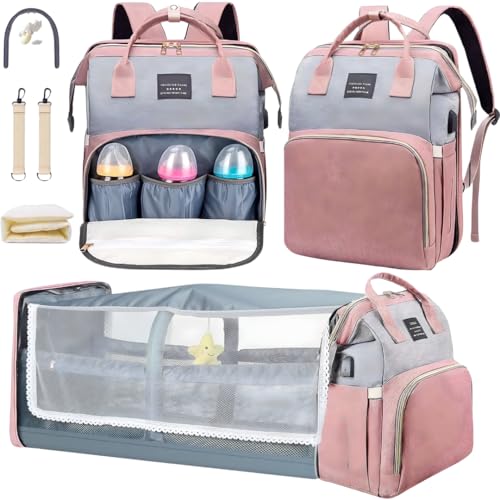
Diaper Bag with Changing Station: The Complete Buying Guide
Everything you need to know about choosing a diaper bag that includes a built-in changing station — for confident, stress-free outings with your baby.
Why this matters: A diaper bag with a changing station transforms any outing into a manageable, hygienic experience. Instead of hunting for a public restroom or improvising a changing surface, you carry a dedicated, padded area wherever you go. This guide breaks down the features that truly matter so you can choose with confidence.
What Is a Diaper Bag with Changing Station?
A diaper bag with changing station is a carry-all designed for parents on the move. Unlike a standard diaper bag, it integrates a fold-out or attached padded surface specifically intended for changing diapers. When unzipped or unfolded, this surface becomes a clean, cushioned area where you can lay your baby down safely — no separate changing mat required.
These bags come in several formats. Some are backpacks with a dedicated rear compartment that folds out into a full changing pad. Others are tote-style bags with a built-in changing pad that slides into a side pocket. A third category includes bags where the changing station is a detachable module, giving you the flexibility to use it independently. Understanding these formats is the first step toward picking the right one for your lifestyle.
Key Features to Evaluate Before You Choose
Not all changing-station diaper bags are created equal. The details below separate a bag that works beautifully from one that frustrates you daily.
1. The Changing Surface: Size, Padding, and Hygiene
The changing pad should be large enough to accommodate your baby comfortably — ideally at least 24 inches long and 14 inches wide. Look for a surface with wipeable, water-resistant material so accidents are easy to clean. A pad with raised edges or contoured sides adds a measure of safety by helping to keep baby centered. If the pad is detachable, confirm it can be used independently on a bed or floor, which adds versatility during longer trips.
2. Compartment Layout and Accessibility
A well-designed bag keeps diapering essentials — diapers, wipes, cream, and a spare outfit — within arm's reach without digging. Look for a dedicated front or side pocket for wipes (some even include a wipe dispenser window). Insulated pockets for bottles are a bonus, though they are more commonly associated with diaper backpacks with cooler compartments. The changing station itself should be accessible without fully unpacking the bag, ideally via a quick-access zip panel.
3. Carry Comfort: Backpack vs. Tote vs. Crossbody
Backpack styles distribute weight evenly across both shoulders, which matters when the bag is loaded with diapers, bottles, and a change of clothes. Tote styles offer quick access but can strain one shoulder over time. Crossbody designs sit between the two. If you plan to carry the bag for hours at a time — airport travel, long walks, theme parks — a diaper backpack with changing station is often the most ergonomic choice.
4. Material and Build Quality
Look for durable construction with reinforced stitching at stress points like straps and zippers. Water-resistant or easy-wipe exteriors handle spills and rain. High-grade zippers matter more than most parents expect — cheap zippers fail first. Premium materials and solid build quality are worth prioritizing, as a diaper bag takes daily abuse for years.
5. Capacity and Organization
Beyond the changing station, consider how much you need to carry. A bag with multiple compartments — multiple compartments help separate clean from dirty, and baby's items from yours. Some parents prefer a diaper bag with lots of compartments for maximum organization; others find too many pockets confusing. Aim for a layout that matches how you naturally pack.
Types of Changing Station Designs
Understanding the different mechanisms helps you match the bag to your routine.
Built-in Changing Pad
A diaper bag with built-in changing pad has the pad permanently integrated into the bag's structure — often folding out from a rear panel. These are convenient because the pad is always with you and cannot be left behind. The trade-off is that the bag is slightly bulkier and the pad cannot be used separately.
Attached Changing Pad
A diaper bag with attached changing pad is similar, but the pad is tethered by a strap or clip rather than sewn in. This gives a bit more flexibility — you can extend the pad onto a nearby surface while it remains connected to the bag.
Fold-Out Changing Pad
A diaper bag with fold-out changing pad typically features a tri-fold pad that opens flat from a dedicated pocket. These are popular because they offer a large, flat surface while folding compactly when not in use. Many diaper bag backpacks with changing pad use this design.
Expandable Changing Pad
An expandable changing pad extends or unrolls to create a larger surface, then retracts for storage. These suit parents who want maximum changing area without a permanently bulky bag.
Bag That Turns Into a Changing Table
Some designs go further: a diaper bag that turns into a changing table converts its entire front panel or base into a stable, elevated changing surface. These are especially useful for parents who frequently change diapers in places without clean, flat surfaces.
How to Choose the Right Diaper Bag for Your Routine
Your daily patterns should drive the decision. Consider these scenarios:
- Short errands and park visits: A lightweight tote with a fold-out pad and a few compartments is enough. Prioritize quick access and minimal bulk.
- Full-day outings and travel: A backpack with a large, detachable pad and insulated bottle pockets is the more practical choice. Comfort over hours matters.
- Frequent public restroom changes: A bag that converts into a full changing table gives you a hygienic surface regardless of the environment.
- Two-caregiver households: A unisex design that both parents are comfortable carrying — and that does not look out of place at work or on a commute — is worth considering. Many parents look for a diaper bag that doesn't look like one.
If you are building a full travel kit, pair the bag with other practical gear. Our guide to the best travel gear for families covers strollers, carriers, and accessories that complement a well-chosen diaper bag.
Care and Maintenance Tips
To keep your bag and changing station hygienic and long-lasting:
- Wipe the changing pad with a mild disinfectant after each use, or use a dedicated baby-safe wipe.
- Air-dry the pad fully before folding it back into the bag to prevent mildew.
- Empty and wipe the interior compartments weekly — crumbs and spills accumulate faster than expected.
- Check zippers and straps monthly for wear; repair or replace before a failure happens mid-trip.
- Store the bag open when not in use to maintain its shape and ventilation.
Complementary Products to Consider
A diaper bag with changing station is the centerpiece, but a few add-ons make outings smoother:
- A dedicated changing pad as a backup for the nursery or grandparent's house.
- A diaper caddy for the living room or car — keeps essentials organized without hauling the full bag.
- A diaper pail for home use, so soiled diapers from outings have a proper place once you return.
- Diaper cream and zinc oxide-based cream stored in an exterior pocket for quick access.
- For longer trips, a diaper bag with insulated compartment keeps bottles at temperature.
If you are still assembling your overall baby gear list, browse our baby gear hub for category-wide guidance.
Common Mistakes to Avoid
- Choosing style over structure: A beautiful bag with poor compartment logic becomes frustrating within a week. Test the layout mentally with your actual daily items.
- Underestimating the changing pad size: A pad that is too small forces you to improvise, defeating the purpose. Measure your baby's current length and add margin.
- Ignoring carry comfort: A full diaper bag is heavy. If you will carry it for extended periods, backpack straps are usually the better choice.
- Skipping the wipe-clean test: Ask yourself how you will clean the pad and interior after a blowout. If the answer is unclear, keep looking.
- Forgetting the partner factor: If both parents will use the bag, choose a design that both find comfortable and acceptable to carry.
Frequently Asked Questions
Do I really need a diaper bag with a changing station?
It depends on your routine. If you spend significant time outside the home — errands, visits, travel — a built-in changing surface saves time and ensures hygiene. For parents who mostly change diapers at home, a standard diaper bag with a separate changing pad may be sufficient.
Can the changing pad be used separately from the bag?
Many designs offer a detachable pad that can be used independently, which is useful for overnight trips or when you want to leave the bag in the car. Confirm this feature before buying if it matters to you.
How do I keep the changing station clean?
Choose a pad with a wipeable, water-resistant surface. Wipe it down after each use, air-dry before folding, and periodically clean the interior compartments. Some pads are machine-washable on a gentle cycle — check the manufacturer's instructions.
Is a backpack or tote better for a changing station bag?
Backpacks distribute weight more evenly and are generally more comfortable for long outings. Totes offer quicker access and a more traditional look. Consider how long you typically carry the bag and whether you need hands-free mobility.
What size changing pad should I look for?
Aim for a pad at least 24 inches long and 14 inches wide. Larger pads offer more room as your baby grows, but check that the bag still folds compactly when the pad is stored.
Final Thoughts
A diaper bag with changing station is one of the most practical purchases you can make for life with a baby. The right bag combines a hygienic, well-sized changing surface with smart organization and comfortable carrying. Focus on the pad's size and cleanability, the compartment layout, and the carry style that matches your daily routine. With those priorities clear, you can choose confidently and spend less time improvising and more time enjoying outings with your little one.
For more guidance on organizing your nursery and daily baby care, explore our storage solutions and diaper bags collections.