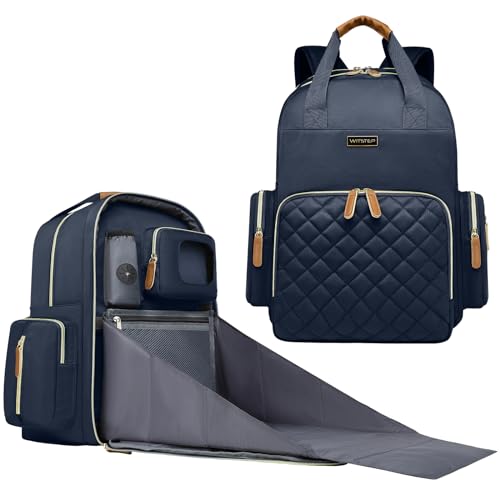
Diaper Bag With Fold Out Changing Pad: Complete Buyer's Guide
Everything you need to know about fold-out changing pad diaper bags — how they work, what features matter, and how to choose the right one for clean, stress-free changes wherever you go.
Explore Buying ConsiderationsWhy this guide matters: A diaper bag with a fold-out changing pad turns any outing into a manageable one. Instead of juggling a separate mat, wipes, and diapers, you unzip one compartment and have a clean, padded surface ready to use. This guide walks you through the design differences, practical features, and everyday scenarios so you can decide with confidence before you buy.
What Is a Diaper Bag With a Fold-Out Changing Pad?
A diaper bag with a fold-out changing pad integrates a padded, wipeable changing surface directly into the bag's design. Unlike a standard diaper bag that requires you to carry a separate mat, this style typically features a dedicated zippered compartment or an exterior flap that unfolds into a flat, cushioned area for diaper changes. When you're done, it folds back neatly into the bag and stays contained.
The concept solves a common frustration: traditional changing pads are bulky, easily forgotten, and sometimes too small or too thin to be genuinely useful in public restrooms, parks, or the back seat of a car. A fold-out design keeps the changing surface attached to the bag, so it's always available and always clean on the side that touches your baby.
These bags come in several configurations — backpacks, totes, crossbody styles, and convertible models. Some fold-out pads extend from an exterior rear panel, while others are tucked into a front compartment. The best choice depends on how you prefer to carry your bag and how much you pack for your outings.
How Fold-Out Changing Pad Designs Differ
Not all fold-out changing pads work the same way. Understanding the design variations helps you match a bag to your routine:
- Exterior rear flap: The pad unfolds from the back panel of a backpack. This keeps the clean surface away from your body and makes it easy to access without emptying the main compartment. Often found on models like the diaper backpack with changing station.
- Front compartment fold-out: The pad sits in a dedicated front pocket and unfolds forward. This layout gives quick access when the bag is on the floor or on a changing table.
- Expandable side panel: Some bags use a side zip that extends into a changing surface. These are compact but can be smaller in usable area, so check dimensions if your baby is older or more active.
- Removable pad with fold-out frame: A hybrid design where the pad detaches but also has a fold-out structure. This gives flexibility but adds a bit more complexity.
If you want a bag that stays attached and opens in one motion, an exterior flap or front fold-out tends to be the most convenient. If you prefer to keep the changing surface completely separate when not in use, a removable pad inside a fold-out compartment might suit you better.
Key Features to Evaluate Before You Buy
When comparing a diaper bag with changing pad that folds out, focus on these practical details rather than marketing claims:
- Pad size and thickness: A fold-out pad should be long enough to cover the diaper area and wide enough to prevent wriggling babies from rolling off. Look for a padded surface that feels supportive, not just a thin layer of fabric.
- Wipeable material: The baby-facing side should be easy to clean with a wipe or a damp cloth. Materials like PEVA or coated nylon are common and practical for everyday use.
- Ease of folding: A pad that folds in one or two motions is more likely to be used consistently. Complicated folding mechanisms can become a hassle when you're in a hurry.
- Attachment security: The pad should stay attached to the bag while unfolding. If it detaches too easily, you lose the main convenience of the design.
- Storage around the pad: Look for a pocket or two near the fold-out area for diapers and wipes. Reaching into the main compartment while your baby is on the pad is awkward, so nearby storage matters.
- Bag comfort and carry style: A fold-out changing pad adds a bit of bulk. Check that the bag still feels comfortable when worn as a backpack or carried by the handle.
Practical tip: test the pad's reach
Imagine the bag placed on a public restroom counter or on the back seat of a car. The fold-out pad should extend far enough that your baby's head and body are fully supported, and you can kneel or stand beside it without twisting awkwardly. If the pad is too short, your baby's head may end up on the bare surface. Measure the folded pad and compare it to your baby's length before deciding.
Fold-Out Pad vs. Separate Changing Mat
Many parents start with a separate changing mat and later switch to a bag with an integrated fold-out pad. Here's how the two approaches compare in everyday use:
| Consideration | Integrated Fold-Out Pad | Separate Changing Mat |
|---|---|---|
| Always available | Yes — attached to the bag | Only if you remember to pack it |
| Setup time | One motion to unfold | Locate, unroll, and place the mat |
| Cleanliness | Dedicated pocket keeps clean side protected | Depends on how the mat is stored |
| Flexibility | Pad stays with the bag | Can be used anywhere, even without the bag |
| Bulk | Adds structure to the bag | Adds a separate item to carry |
For parents who do frequent short outings, the integrated fold-out pad tends to reduce friction and forgotten items. For parents who prefer a minimalist carry and often change diapers at home or at trusted locations, a separate mat may still be sufficient. Many families eventually use both: the integrated pad for quick trips and a separate mat for longer excursions or home use.
Quality Tiers and What They Typically Include
Fold-out changing pad diaper bags are available across several market tiers. Rather than focusing on specific figures, it helps to understand what each tier generally emphasizes:
- Entry-level Models in this tier often include a basic fold-out pad with a thin wipeable surface and a straightforward backpack or tote design. They cover the essential function and are a solid choice if you want the feature without extra structure.
- Mid-range Bags at this level usually improve pad thickness, add nearby pockets for wipes and diapers, and offer more comfortable straps or better fabric durability. This is where most families find a balanced option for daily use.
- Premium Premium-tier bags often feature larger pads, reinforced stitching, water-resistant coatings, and thoughtful organization that separates clean and dirty items more effectively. The folding mechanism is usually smoother and more durable over time.
- Luxury Luxury-tier options emphasize design, premium materials, and refined hardware. They may include convertible carry modes and a fold-out pad that feels substantial and well-finished. These are long-term investments for parents who value both function and aesthetics.
In general, moving up a tier tends to bring improvements in pad comfort, organization, and longevity. The right choice depends on how often you'll use the fold-out feature and how much you value a polished carrying experience.
Everyday Scenarios Where a Fold-Out Pad Shines
Understanding when this feature is most useful helps you decide if it's worth prioritizing:
- Public restrooms: Many changing stations are small, and a fold-out pad gives you a consistent, clean surface that you control. You avoid direct contact with surfaces of unknown cleanliness.
- Car changes: On a back seat or in a hatchback, a fold-out pad extends from the bag and gives you a stable area without needing to lay a separate mat across the seat.
- Parks and outdoor outings: A padded, wipeable surface is far more comfortable than a blanket on grass or a bench. The fold-out design keeps the clean side protected until you open it.
- Visiting family and friends: You don't need to ask for a towel or a mat — the bag provides its own changing surface, which is especially helpful in homes that aren't baby-proofed.
- Travel and day trips: When you're away from home for hours, having the changing surface attached to your bag means one less item to keep track of.
For parents who are frequently on the go, a bag such as a diaper bag backpack with changing pad combines hands-free carrying with the convenience of an integrated surface, which can make a meaningful difference in daily routines.
How to Use a Fold-Out Changing Pad Safely
Convenience should never come at the expense of safety. Keep these practices in mind:
- Never leave your baby unattended on a fold-out pad, even for a moment. The pad is a surface, not a restraint, and active babies can move quickly.
- Keep one hand on your baby at all times while reaching for supplies. Position the diaper and wipes within arm's reach before you begin.
- Use the pad on a stable, flat surface whenever possible. If you're changing on an uneven surface, take extra care and consider using the pad on the floor instead.
- Clean the pad after each use with a baby-safe wipe or a damp cloth. Allow it to dry before folding it back into the bag to prevent odor and mildew.
- Check the folding mechanism regularly for wear. If the pad no longer stays flat or the attachment loosens, consider replacing the bag or the pad component if it's removable.
Organizing Your Bag Around the Fold-Out Pad
The fold-out pad is most useful when the rest of the bag supports quick changes. A simple organization system can make a big difference:
- Keep 2–3 diapers and a pack of wipes in the pocket nearest the fold-out pad.
- Use a small wet bag or a designated pocket for soiled clothing and used wipes.
- Store a spare outfit in a separate compartment so you're not searching through the bag mid-change.
- Place a small bottle of hand sanitizer in an exterior pocket for quick access after changes.
- If the bag has multiple compartments, dedicate one to changing supplies and keep it consistent so you can reach for items without looking. A diaper bag with multiple compartments can make this system easier to maintain.
For parents who prefer a more structured setup, a diaper backpack with changing station often includes labeled or visually distinct sections that reinforce this organization.
Common Mistakes to Avoid
- Choosing a pad that's too small: A pad that barely covers the diaper area may leave your baby's head or legs on the bare surface. Check the unfolded dimensions before buying.
- Ignoring the folding mechanism: A stiff or complicated fold can make you avoid using the pad altogether. If possible, look for demonstrations or reviews that show the folding process.
- Overloading the bag: A fold-out pad adds structure, but packing too much can make the bag heavy and the pad harder to access. Keep the changing section lean and replenish as needed.
- Neglecting the clean side: Always fold the pad so the baby-facing side is protected inside the bag. If the clean side touches the exterior, you lose the hygiene benefit.
- Assuming all fold-out pads are waterproof: Some are water-resistant but not fully waterproof. Check the material and consider a liner if you frequently change in messy environments.
Frequently Asked Questions
Is a fold-out changing pad bag worth it for short outings?
Yes, for many parents. Even a quick trip to the store can involve an unexpected diaper change. Having the pad attached to the bag means you don't need to plan ahead or remember a separate mat. The convenience is most noticeable when you're juggling a baby, a bag, and other items.
Can I use a fold-out changing pad bag as my only diaper bag?
Absolutely. Many fold-out pad bags are designed as full-featured diaper bags with room for diapers, wipes, bottles, clothing, and personal items. The key is to choose a bag with enough capacity for your typical outing and an organization layout that matches how you pack.
How do I clean a fold-out changing pad?
Most fold-out pads have a wipeable surface that can be cleaned with a baby-safe wipe or a damp cloth. For deeper cleaning, check the manufacturer's instructions — some pads are machine washable on a gentle cycle, while others should only be spot-cleaned. Avoid harsh chemicals that could irritate your baby's skin.
What's the difference between a fold-out pad and a built-in changing station?
A fold-out pad is a padded surface that unfolds from the bag. A built-in changing station often refers to a more structured area with raised edges or a dedicated compartment that holds the pad and supplies together. The terms are sometimes used interchangeably, but a true built-in station usually offers more organization around the changing surface.
Are fold-out changing pads safe for newborns?
Yes, when used properly. The pad should be flat and stable, and you should keep one hand on your newborn at all times. Newborns are less mobile than older babies, but they still require constant supervision. Always use the pad on a secure surface and never leave your baby unattended.
Should I choose a backpack or a tote with a fold-out pad?
It depends on your carrying preference. Backpacks distribute weight evenly and keep your hands free, which is helpful when you're also carrying a baby or holding a toddler's hand. Totes offer quick access and a more traditional look. Try to think about your daily routine and which carry style you'll find most comfortable.