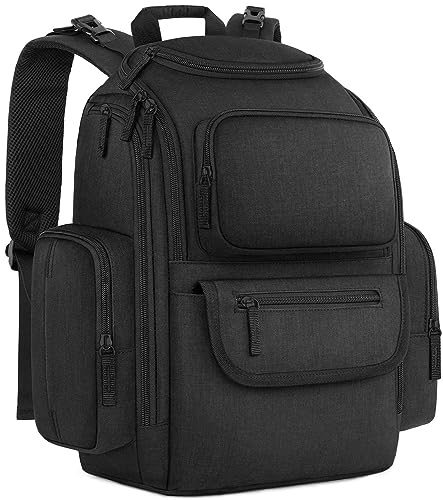
Diaper Backpack with Cooler Compartment
Keep milk fresh, hands free, and everything organized. Here is what to look for in an insulated diaper backpack before you decide.
If you have ever watched a bottle warm up on a summer outing or scrambled to find a cool spot for pumped milk, you already understand why a diaper backpack with cooler compartment matters. This guide explains how insulated pockets work, what separates a good bag from a great one, and how to match the bag to your daily routine — so you can choose with confidence.
Why a Cooler Compartment Changes the Way You Parent on the Go
A standard diaper bag carries diapers, wipes, a changing pad, and a spare outfit. A cooler compartment adds something different: temperature control for milk and snacks. For breastfeeding parents who pump, formula-feeding parents preparing bottles ahead, or anyone carrying perishable snacks for a toddler, that insulated zone is not a bonus — it is the feature that decides whether the bag works for a full day out.
The practical benefit is straightforward. A dedicated cooler pocket keeps a bottle cold for hours instead of relying on a separate cooler bag that takes up extra space. That means fewer items to carry, one less thing to forget at home, and a predictable place for anything that needs to stay chilled. If you are building a newborn travel kit, pairing this with a realistic list of newborn essentials keeps the load manageable.
How Insulated Cooler Compartments Actually Work
Not all cooler pockets are built the same. Understanding the construction helps you read product descriptions with a critical eye.
Insulation Layers
Most cooler compartments use one of three approaches: foam padding, foil-lined thermal material, or a combination of both. Foam insulation slows heat transfer and performs well for shorter outings. Foil-lined interiors reflect radiant heat and are easier to wipe clean. Premium bags often combine a foam layer with a reflective lining plus a water-resistant outer shell, which gives the best balance of performance and durability.
Seam Sealing and Zippers
Cold air escapes through seams and zippers first. A cooler pocket with heat-sealed or taped seams holds temperature noticeably longer than a stitched pocket with no sealing. Look for a zipper that closes fully and sits flush against the lining. Some designs use a double zipper with a small overlapping flap — a simple detail that makes a real difference over a long afternoon.
Placement Inside the Bag
Cooler compartments are usually placed on the front, the side, or as a separate bottom section. Front placement gives quick access. Side placement keeps the pocket vertical, which is better for bottles standing upright. Bottom compartments free up the main cavity but can be awkward to reach when the bag is on your back. Think about how you will actually use it — if you are often holding a baby with one arm, a side-access cooler is far easier to reach.
Practical tip: A cooler pocket with a capacity of two standard bottles plus a small snack pouch covers most day trips. Anything smaller tends to feel cramped once you add an ice pack.
Features That Separate a Good Bag from a Great One
Hands-Free Backpack Straps
Padded, adjustable shoulder straps distribute weight evenly and free both hands. Look for a sternum strap if you plan to carry the bag on longer walks.
Wipeable Interior Lining
Spills happen. A smooth, water-resistant lining that wipes clean in seconds saves you from scrubbing the entire bag after one leaky bottle.
Dedicated Changing Pad Sleeve
A separate slot for the changing pad keeps it away from clean clothes and bottles. Some bags include a matching water-resistant changing pad that folds flat.
Multiple Access Points
Front-loading, top-loading, and side-access openings let you reach what you need without unpacking the whole bag in public.
Bottle Pockets That Stand Up
Elastic or insulated bottle sleeves that hold bottles upright prevent leaks and keep the cooler section organized.
Stroller Attachment Straps
Clip-on straps or stroller hooks turn the backpack into a stroller bag in seconds — useful when your back needs a break.
Comparing Bags by Tier
Instead of thinking in terms of numbers, it helps to understand where a bag sits in the market. The table below groups features by tier so you can match the bag to how often you travel and how much you carry.
| Tier | Best For | Typical Cooler Features |
|---|---|---|
| Entry-level | Short errands and occasional outings | Single foil-lined pocket, basic foam padding, one bottle capacity |
| Mid-range | Daily use and regular daycare runs | Two-bottle insulated section, sealed seams, wipeable lining, multiple access points |
| Premium | Full-day trips and frequent travel | Dual-layer insulation, leak-proof zippers, separate cooler zone, reinforced straps |
| Luxury | Parents who want a long-term investment piece | High-grade thermal lining, structured shape that holds up over years, premium hardware |
A mid-range bag usually offers the most sensible balance: it handles daily use, keeps bottles cold through a normal outing, and does not add unnecessary complexity. Entry-level bags work well as a backup or for parents who rarely travel far. Premium and luxury tiers make sense when the bag doubles as your primary travel bag.
How to Choose the Right Diaper Backpack for Your Routine
Start with the question of how long your outings typically last. A two-hour errand needs far less insulation than a full day at a theme park. Then consider what you carry. If you pump, you will want a cooler section that fits breast milk storage bags flat alongside bottles. If you formula-feed, a pocket that holds a portable bottle warmer or pre-filled bottles upright is more useful.
Also think about the bag's overall capacity. A cooler compartment eats into the main storage, so a bag with a large cooler and a small main cavity may not fit a full day's diapers and clothes. Many parents find that a bag with a front cooler pocket plus a roomy main section works better than a bag with a large cooler and cramped storage.
Match the Bag to Your Travel Style
- City errands: A compact backpack with a front cooler pocket and stroller straps is enough.
- Day trips: Choose a bag with a two-bottle cooler, sealed seams, and a separate changing pad sleeve.
- Air travel: Look for a bag that fits under the seat and has a leak-proof cooler section; pair it with a travel stroller that fits in the overhead bin for a smoother trip.
- Hiking and outdoors: A bag with reinforced straps and weather-resistant coating handles rougher conditions better than a fashion-focused design.
Keeping the Cooler Compartment Effective Over Time
Insulation degrades slowly if the lining is cleaned carelessly. Wipe the interior with a damp cloth and mild soap, then let it air dry fully before closing the zipper. Avoid submerging the bag in water, which can break down foam layers. If the cooler pocket has a removable liner, wash it separately according to the manufacturer's instructions.
Ice packs are the simplest way to extend cooling time. A slim gel pack takes up little space and keeps a bottle cold for several hours. Reusable ice packs also avoid the condensation that comes from loose ice, which keeps the rest of the bag dry. For parents who want to keep the bag light, a frozen bottle doubles as both the cold source and the feed.
Note: A cooler compartment is not a refrigerator. It slows warming, it does not stop it. For long days, bring a small ice pack and plan to use the milk within a reasonable window.
Related Gear Worth Considering
If you are building a complete travel kit, a few companion items make the cooler backpack more useful. A diaper backpack with insulated pocket offers a lighter alternative when you do not need a full cooler section. A diaper backpack with changing station adds a fold-out surface for quick changes on the go. And if you prefer a classic shoulder bag, a diaper bag with changing pad covers the basics without the backpack straps.
For parents who carry both a diaper bag and a breast pump, a hands-free pumping bra makes pump sessions far easier while the bag sits on your back. And if you are still deciding on a stroller to pair with the bag, an umbrella stroller with shoulder straps folds small enough to keep in the car for quick trips.
Frequently Asked Questions
How long does a cooler compartment keep a bottle cold?
It depends on insulation quality and whether you use an ice pack. A basic foil-lined pocket holds a chilled bottle for roughly two to three hours. A premium dual-layer cooler with a gel pack can keep a bottle cold for most of a day. Always test your bag before relying on it for a long trip.
Can I use the cooler compartment for snacks too?
Yes. The cooler section works for yogurt, cheese, cut fruit, and other perishable snacks. Keep snacks in sealed containers to prevent spills and to keep the lining easy to clean.
Is a cooler compartment worth it if I only formula-feed?
Absolutely. Pre-filled bottles stay at a safe temperature, and the insulated pocket keeps formula from warming too quickly in a hot car or during a long walk. It also gives you a dedicated spot for a small ice pack.
Can I wash the whole backpack in a washing machine?
Most diaper backpacks should not go in a washing machine because the agitation can damage insulation layers and hardware. Spot clean the exterior and wipe the cooler lining by hand. Check the care label for any removable parts that can be washed separately.
What size cooler compartment is practical for twins?
For twins, look for a cooler section that holds at least four bottles upright, or consider a bag with a removable cooler sleeve that can be packed separately. A bag with a large main cavity plus a dedicated cooler zone usually works better than one oversized cooler pocket.
Final Thoughts
A diaper backpack with cooler compartment solves a specific, everyday problem: keeping milk and snacks at a safe temperature without carrying a second bag. The best choice depends on how long you are out, how much you carry, and whether you need quick access or maximum insulation.
Focus on sealed seams, a wipeable lining, and a cooler pocket sized for your bottles. Match the tier to your routine, and the bag will earn its place as the one you reach for every time you leave the house. When you are ready to compare specific options, the product picks below give you a practical starting point.