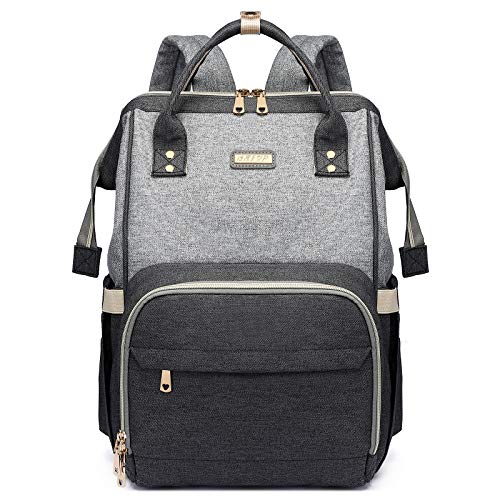
Diaper Bag Backpack with Changing Pad: A Complete Buying Guide
Learn how to evaluate compartments, changing pad designs, straps, and materials so you can choose a hands-free diaper bag that fits your daily routine and keeps everything organized.
Why this guide matters: A diaper bag backpack with a changing pad combines two essential jobs into one hands-free carry system. Instead of juggling a shoulder bag and a separate pad, you get a single pack that keeps diapering supplies, bottles, and spare clothes organized while leaving both hands free for your baby. This guide walks you through the features that matter most, the trade-offs between designs, and how to match a bag to your lifestyle.
Why Choose a Diaper Bag Backpack?
Backpack-style diaper bags have become a favorite among parents because they distribute weight across both shoulders, which reduces strain during long outings. A traditional tote or shoulder bag tends to slip and can dig into one side of your body, especially when it is loaded with diapers, wipes, and bottles. A backpack keeps the load balanced and leaves your hands free to carry your baby, hold a stroller handle, or open doors.
When the backpack also includes a changing pad, you gain a compact diapering station that travels with you. This is particularly useful in public restrooms, on airplanes, or at a park where a clean, cushioned surface is not guaranteed. The best models integrate the pad in a way that keeps it accessible without unpacking the entire bag.
Key Features to Evaluate
Changing Pad Design
Look for a pad that folds out smoothly and wipes clean easily. Built-in pads stay attached, while removable pads offer flexibility for washing or using separately.
Compartments & Pockets
Multiple compartments help separate clean clothes from soiled items. Insulated side pockets keep bottles at temperature, and a dedicated wipes slot speeds up changes.
Strap System
Padded shoulder straps and a sternum strap improve stability. A structured back panel adds comfort during long walks or travel days.
Material & Durability
Water-resistant exteriors and reinforced stitching hold up to daily use. Easy-to-clean linings matter when spills and crumbs are inevitable.
Access & Organization
Wide openings and side-access pockets let you reach essentials without removing the bag. A top grab handle is handy for quick lifts.
Travel-Friendly Details
A luggage sleeve, secure zippers, and a compact profile make the bag easier to use as a carry-on alongside regular luggage.
Changing Pad Options Compared
The changing pad is one of the most important parts of this purchase because it directly affects how convenient diaper changes are when you are away from home. There are three common designs, each with distinct advantages.
| Pad Type | Best For | Considerations |
|---|---|---|
| Built-in fold-out | Parents who want one integrated unit and minimal packing | Stays attached and is hard to forget; check that the fold-out area is large enough for your baby |
| Removable pad | Families who prefer easy cleaning and flexibility | Can be used independently; confirm it fits securely in its dedicated sleeve |
| Expandable pad | Parents who want extra surface area for wiggly babies | Offers more room during changes; slightly bulkier when folded |
How to Organize Compartments
A well-organized bag saves time during stressful moments. Think of the bag in zones: a diapering zone, a feeding zone, a clothing zone, and a personal items zone. Keep the most frequently used items in exterior or quick-access pockets, and reserve the main compartment for bulkier gear.
- Diapering zone: diapers, wipes, changing pad, diaper cream, and a small wet bag for soiled items.
- Feeding zone: bottles in insulated pockets, formula dispenser, burp cloths, and a nursing cover if needed.
- Clothing zone: one or two spare outfits, socks, and a light blanket in a packing cube.
- Personal zone: phone, keys, wallet, and hand sanitizer in a zippered interior pocket.
Using small pouches or packing cubes within the backpack keeps items grouped and makes restocking faster. This approach also helps caregivers who are unfamiliar with the bag find what they need quickly.
Comparing Tiers Without the Hype
Diaper bag backpacks with changing pads are available across a range of market positions. Rather than focusing on numbers, it helps to understand what each tier generally delivers so you can match a bag to your expected usage.
| Tier | Typical Characteristics | Best For |
|---|---|---|
| Entry-level | Basic fabric, fewer compartments, simpler strap padding | Short trips and occasional use as a secondary bag |
| Mid-range | Water-resistant materials, multiple pockets, insulated bottle slots, comfortable straps | Daily use with one child and regular outings |
| Premium | Reinforced construction, thoughtful layout, premium hardware, luggage sleeve | Frequent travel, long days out, or use across multiple children |
Entry-level models can work well as a backup bag kept in the car, while mid-range options usually offer the best balance of organization and comfort for everyday parenting. Premium models tend to focus on durability and refined details that matter for families who are constantly on the move.
Buying Checklist
- Changing pad folds out easily and is large enough for your baby
- At least one insulated bottle pocket with a secure closure
- Padded shoulder straps and a sternum strap for stability
- Water-resistant exterior and wipeable interior lining
- Dedicated wipes pocket or quick-access side pocket
- Separate compartment or wet bag for soiled clothes
- Structured back panel for comfort during long wear
- Top grab handle for quick lifting
- Luggage sleeve if you plan to travel by air
- Secure zippers and reinforced stitching at stress points
Related Guides on CradleCheck
Explore these related topics to build a complete diaper bag and travel setup:
- Diaper bag with changing pad: overview and buying tips
- Diaper backpack with a full changing station
- Backpacks with insulated pockets for bottles
- Bags with a built-in changing pad
- Fold-out changing pad designs
- Best travel gear for families
- Baby storage and organization ideas
- Diaper caddies for home organization
- Full diaper bags category
- Baby gear buying guides
Frequently Asked Questions
What size diaper bag backpack is best for daily use?
A mid-size backpack in the 20 to 30 liter range typically works well for daily outings with one baby. It offers enough room for diapers, wipes, a changing pad, bottles, and a spare outfit without becoming bulky. Families with two children or long trips may prefer larger models with expandable compartments.
Are built-in changing pads better than separate ones?
A built-in changing pad that folds out from the bag is convenient because it stays attached and is hard to forget. A removable pad offers more flexibility for cleaning and can be used independently. Both options work well, and the best choice depends on how you prefer to organize your gear.
Can a diaper bag backpack be used as a travel carry-on?
Many diaper bag backpacks are designed with luggage sleeves and meet common carry-on size guidelines. Look for a model with a trolley strap, secure zip closures, and a compact profile if you plan to use it during air travel alongside your regular luggage.
How do I keep a diaper bag backpack organized?
Use packing cubes or small pouches to group items by purpose, such as diapering, feeding, and clothing. Choose a bag with multiple compartments and insulated pockets, and restock it after every outing so essentials are always ready. Labeling pouches makes it easy for caregivers to find items quickly.
What features matter most for hands-free parenting?
Padded shoulder straps, a sternum strap, and a structured back panel distribute weight evenly and keep the bag stable. A top grab handle and side access pockets allow quick retrieval of essentials without removing the bag. These features are especially helpful when carrying a baby or pushing a stroller.