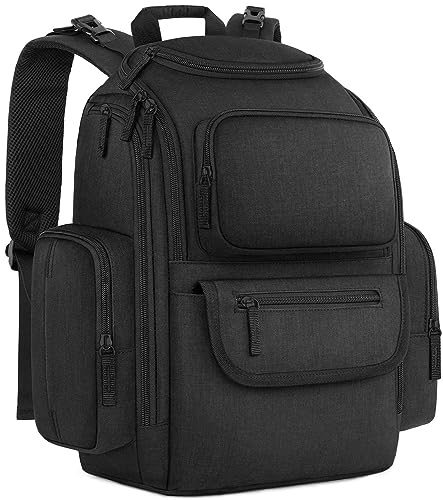
Diaper Bag with Insulated Compartment: The Complete Buying Guide
Keep bottles at the right temperature, stay organized, and simplify on-the-go feeding with a diaper bag that has a dedicated insulated compartment. Here is everything parents need to know before choosing one.
Why this matters: If you have ever reached for a bottle only to find it warm, spoiled, or leaking inside your bag, an insulated compartment solves that problem. This guide explains how insulated diaper bags work, what features to look for, and how to match one to your feeding routine so you can leave the house with confidence.
What Is a Diaper Bag with an Insulated Compartment?
A diaper bag with insulated compartment is a carry-all designed for parents that includes a dedicated, thermally lined pocket or section. This compartment is built to hold bottles, breast milk storage bags, or snacks and slow the transfer of heat so contents stay cooler (or warmer) for longer than they would in an ordinary fabric pocket.
The insulated area is typically lined with foil-backed material, closed-cell foam, or a reflective thermal lining. Many models pair it with a wipe-clean interior so spills do not soak into the rest of the bag. For families who formula-feed, pump, or travel frequently, this single feature can transform a good bag into a genuinely practical one.
It is worth distinguishing between a true insulated compartment and a simple "bottle pocket." A diaper bag backpack with insulated pocket usually dedicates a zippered, lined section specifically to temperature retention, while a basic pocket just holds the bottle upright. When you are comparing options, check the product description to confirm the pocket is thermally lined, not just divided.
How Insulated Compartments Work
Insulation does not actively cool or heat contents; it slows the rate at which temperature changes. A well-made insulated compartment uses layered materials to reflect radiant heat and reduce airflow, giving you a window of several hours where a chilled bottle stays safely cool or a warm bottle stays comfortably warm.
For formula and pumped milk, the practical takeaway is simple: the insulated compartment buys you time between leaving home and feeding. It is not a substitute for proper cold storage when milk needs to stay refrigerated for many hours. For short errands, commutes, and day trips, though, it is one of the most useful features a bag can offer.
Some bags include a removable insulated pouch or cooler sleeve inside a larger pocket. This modular approach makes cleaning easier and lets you move the insulated liner to another bag if needed. If you frequently switch between a diaper bag backpack and a tote, a removable liner is a smart detail to look for.
Key Features to Look For
Not all insulated compartments are created equal. The quality of the lining, the size of the pocket, and how the rest of the bag is organized all affect how well it works in daily life. Below are the features that matter most when you compare models.
- Thermal lining quality: Look for foil-backed or reflective linings with sealed seams. Better linings hold temperature longer and resist condensation buildup.
- Compartment size: Confirm the pocket fits your typical bottle size, whether that is a wide-neck bottle, a standard bottle, or breast milk storage bags. Some compartments hold two bottles side by side.
- Easy-clean interior: A wipe-clean, water-resistant lining in the insulated section prevents milk or juice from soaking in and causing odors.
- Separate wet and dry zones: A dedicated wet pocket for soiled clothes or a leak-proof pouch keeps the rest of the bag dry and hygienic.
- Comfortable carrying system: Padded shoulder straps, a sternum strap, or a luggage sleeve make a loaded bag far easier to carry on long outings.
- Secure closure: Zippers with wide pulls and reinforced stitching matter, especially if the insulated section holds liquids.
If organization is your priority, pair the insulated pocket with a model that offers plenty of dividers. A diaper bag with lots of compartments helps you separate feeding gear from diapering supplies so you are not digging around one-handed. Parents who prefer a structured layout often gravitate toward a diaper bag with multiple compartments for the same reason.
Comparing Tiers: Which Level Fits Your Routine?
Insulated diaper bags fall into broad quality tiers based on materials, construction, and feature depth. Instead of focusing on numbers, think about how much use the bag will get and which features you genuinely need. The table below describes what each tier typically offers.
| Tier | Best For | Typical Characteristics |
|---|---|---|
| Entry-level | Occasional outings and short errands | Basic thermal lining, single main compartment, simple strap design |
| Mid-range | Daily use and commuting parents | Reinforced lining, multiple pockets, padded straps, wipe-clean interior |
| Premium | Frequent travelers and pumping parents | High-grade insulation, modular removable cooler pouch, ergonomic harness, premium materials |
| Luxury / professional-grade | Parents who want a long-term, all-in-one system | Heavy-duty construction, expandable capacity, integrated changing station, weather-resistant coating |
A mid-range model usually offers a noticeably better insulated section than an entry-level bag, while a premium or luxury option tends to add modularity and durability that hold up over years of use. If you want a bag that doubles as a portable changing setup, consider a diaper backpack with changing station — many of these include insulated bottle pockets as part of the package.
Backpack vs. Tote: Choosing the Right Format
The insulated compartment is only part of the story. The overall bag format affects how comfortable it is to carry and how easily you can access supplies while holding a baby. Backpacks keep both hands free and distribute weight evenly, which is a major advantage when you are also carrying a car seat or pushing a stroller.
A diaper backpack with cooler compartment is a popular choice for parents who bottle-feed or pump because the cooler section is purpose-built for temperature-sensitive items. Totes and messenger-style bags offer quicker access from the top but can slide off the shoulder and are harder to carry for long periods. If you want a backpack with a changing surface built in, a diaper bag backpack with changing pad gives you a compact all-in-one solution.
If your priority is a bag that does not look like baby gear, a diaper bag that doesn't look like one can still include an insulated pocket. Style and function are not mutually exclusive, and many modern designs blend both.
Practical Tips for Using an Insulated Compartment
Getting the most from your insulated pocket comes down to a few habits. Pre-chill the compartment with a small ice pack before a long outing, and always place bottles upright to reduce the risk of leaks. Clean the lining after every few uses with a damp cloth and mild soap to prevent milk residue from building up.
Keep the insulated section reserved for feeding items only. Storing snacks or fruit in the same pocket can transfer odors and moisture. If you use breast milk storage bags, place them in a rigid container inside the insulated pocket to prevent punctures. And when you get home, empty the compartment promptly rather than letting bottles sit overnight.
Pairing your bag with a well-organized changing setup makes outings smoother. A changing pad that fits the bag's fold-out sleeve, for example, keeps diapering supplies accessible without unpacking everything. For families who prefer an all-in-one solution, a diaper bag with changing station combines the insulated feeding pocket with a dedicated diapering surface.
How to Match a Bag to Your Feeding Routine
Think about how you feed day to day. If you formula-feed and prepare bottles before leaving, an insulated compartment that fits two bottles and stays upright is the priority. If you pump, look for a compartment that accommodates storage bags and a small ice pack. If you breastfeed directly and only occasionally carry a bottle, a lighter bag with a single lined pocket may be sufficient.
Consider the length of your typical outing, too. Short errands need less insulation; all-day trips call for a premium compartment with a removable cooler pouch. If you are often on the move with a stroller, a bag with stroller straps or a luggage sleeve saves effort. Explore our broader baby gear guides for related recommendations on carriers, monitors, and travel accessories.
Frequently Asked Questions
How long does an insulated compartment keep a bottle cool?
Most decent insulated compartments slow temperature change for a few hours, depending on lining quality, outside temperature, and whether you pre-chill the pocket. For longer trips, add a small ice pack or use a removable cooler pouch.
Can I put warm bottles in the insulated compartment?
Yes, but let freshly warmed bottles cool slightly first to avoid condensation buildup. Always test the temperature before feeding and avoid storing warm milk for extended periods without a cold source.
Is an insulated pocket different from a cooler compartment?
The terms overlap. A cooler compartment usually implies a larger, more heavily insulated section, sometimes removable. An insulated pocket is typically a smaller, zippered, lined section for one or two bottles. Check the product description to confirm what you are getting.
How do I clean the insulated lining?
Wipe the lining with a damp cloth and mild soap, then dry completely with the compartment open. Avoid machine washing unless the manufacturer specifically allows it, since heat and agitation can damage thermal lining.
Do I need an insulated compartment if I breastfeed directly?
It is optional but useful. If you occasionally carry a bottle of pumped milk or travel for several hours, an insulated pocket gives you flexibility and peace of mind without needing a separate cooler bag.
Ready to Choose Your Diaper Bag?
Compare our recommended picks and find a bag with the insulated compartment that fits your routine.
View Recommended Products