Diaper Cream Guide
Discover the best diaper rash creams to soothe, protect, and heal your baby's delicate skin. Learn what to look for in a diaper cream and how to prevent rashes effectively.
Shop Recommended Diaper CreamsDiaper rash is one of the most common skin concerns for babies, affecting nearly every infant at some point. The good news? A high-quality diaper cream can make all the difference in preventing and treating this uncomfortable condition. But with so many options on the market—from zinc oxide pastes to natural balms—it can be overwhelming to choose the right one for your little one.
This comprehensive guide breaks down everything you need to know about diaper creams, including how they work, the best ingredients to look for, and how to apply them correctly. By the end, you'll feel confident in selecting the perfect diaper cream to keep your baby's skin happy and healthy.
What Causes Diaper Rash?
Understanding the root causes of diaper rash can help you prevent it before it starts. The most common culprits include:
- Prolonged exposure to moisture: When wet or soiled diapers are left on too long, the skin becomes irritated.
- Friction and chafing: Tight diapers or clothing can rub against the skin, causing redness and irritation.
- Chemical irritants: Some baby wipes, soaps, or detergents can trigger a reaction on sensitive skin.
- Yeast or bacterial infections: The warm, moist environment of a diaper can promote fungal growth, leading to more stubborn rashes.
- Dietary changes: Starting solids or certain foods can change the acidity of your baby's stool, leading to irritation.
Types of Diaper Creams: Which One Is Right for Your Baby?
Not all diaper creams are created equal. Here are the main types you'll encounter, along with their pros and cons:
🧴 Zinc Oxide Creams
Best for: Moderate to severe diaper rash, everyday prevention, and overnight protection.
How it works: Zinc oxide forms a physical barrier on the skin, keeping moisture and irritants away. It also has mild astringent properties to help soothe inflamed skin.
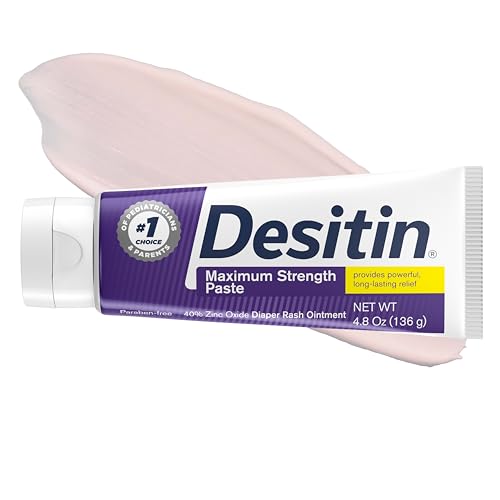
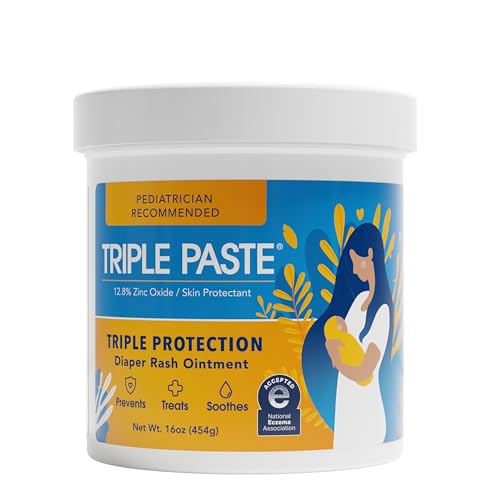
Popular examples: Desitin, Triple Paste, Boudreaux's Butt Paste.
👍 Pros: Highly effective, long-lasting, and widely available. Provides excellent protection.
👎 Cons: Can be thick and messy to apply. Some creams leave a white residue.
🌿 Natural & Organic Balms
Best for: Mild rashes, sensitive skin, and parents seeking natural alternatives.
How it works: Uses ingredients like shea butter, coconut oil, calendula, and beeswax to soothe and moisturize the skin while providing a gentle barrier.
Popular examples: Earth Mama, Honest Company, Babo Botanicals.
👍 Pros: Gentle on sensitive skin, no synthetic ingredients, and often smell pleasant.
👎 Cons: May not be as thick or long-lasting as zinc-based creams. Not always ideal for severe rashes.
🧪 Petroleum-Based Ointments
Best for: Extremely sensitive skin, infants with eczema, and mild irritation.
How it works: Creates a slick barrier that repels moisture without actively treating the rash. Often combined with other soothing ingredients like vitamin E or aloe.
Popular examples: Aquaphor Baby Healing Ointment, Vaseline.
👍 Pros: Very gentle, hypoallergenic, and easy to apply. Great for preventing friction.
👎 Cons: Does not contain active ingredients to heal rash, just protects. Can be greasy.
🦠 Antifungal Creams
Best for: Yeast infections (candidiasis) that appear as bright red, raised rashes with small red bumps (satellite lesions).
How it works: Contains antifungal agents like clotrimazole or miconazole to eliminate the yeast overgrowth.
Popular examples: Lotrimin, Monistat (for adults, but pediatrician-prescribed for babies).
👍 Pros: Targets the root cause of yeast-related rashes.
👎 Cons: Should only be used under pediatrician guidance. Not for everyday prevention.
Key Ingredients to Look For (and Avoid)
When reading labels, here's what to prioritize and what to steer clear of:
✅ Beneficial Ingredients
- Zinc Oxide (10-40%): The gold standard for diaper rash prevention and treatment. Higher percentages are more effective for severe rashes.
- Petrolatum / Mineral Oil: Creates an effective moisture barrier.
- Lanolin: A natural emollient that soothes and softens skin.
- Calendula & Chamomile: Plant extracts known for their anti-inflammatory and healing properties.
- Dimethicone: A silicone-based ingredient that forms a breathable barrier.
- Vitamin A & D: Supports skin repair and immune function.
❌ Ingredients to Avoid
- Fragrances & Parabens: Can irritate sensitive skin and cause allergic reactions.
- Benzocaine: While it numbs pain, it can cause allergic reactions in some babies and is not recommended.
- Borax & Boric Acid: Once common in diaper creams, these are now considered potentially toxic and best avoided.
- Salicylic Acid: Not suitable for babies as it can be absorbed through the skin and cause irritation.
How to Apply Diaper Cream for Maximum Effectiveness
Even the best diaper cream won't work if it's not applied correctly. Follow these steps for optimal results:
- Clean gently: Use warm water and a soft cloth or fragrance-free wipes to clean the diaper area. Avoid rubbing; pat dry instead.
- Let it air dry: If possible, let your baby's bottom air-dry for a few minutes before applying cream. This helps prevent trapping moisture under the barrier.
- Apply a thick layer: Don't be shy—a generous layer is key. You want the cream to act as a shield, so apply it like you're frosting a cake. You should not see the skin through the cream.
- Reapply at every change: Consistency is crucial. Apply a fresh layer with every diaper change, especially at night when the diaper is on for longer periods.
- Wash hands after: Creams can be greasy, so wash your hands thoroughly after each application.
Comparison: Top Diaper Creams at a Glance
| Product | Active Ingredient | Best For | Price (Approx) |
|---|---|---|---|
| Desitin Maximum Strength | Zinc Oxide 40% | Severe rash, overnight protection | $8 |
| Triple Paste | Zinc Oxide 12.8% | Everyday prevention, sensitive skin | $13 |
| Aquaphor Baby Healing Ointment | Petrolatum 41% | Mild irritation, sensitive skin, eczema | $10 |
| Boudreaux's Butt Paste | Zinc Oxide 16% | Rash prevention, mild to moderate rash | $9 |
| Earth Mama Diaper Balm | Organic Olive Oil, Calendula | Natural alternative, sensitive skin | $15 |
| Honest Company Diaper Cream | Zinc Oxide 14% | Everyday use, natural ingredients | $12 |
*Prices are approximate and may vary. Always check current pricing before purchase.
Frequently Asked Questions About Diaper Cream
1. How often should I apply diaper cream?
Apply diaper cream at every diaper change, especially if your baby is prone to rashes. Make sure the skin is clean and dry before applying a thick layer to protect the skin from moisture and irritants.
2. Can I use diaper cream on my baby's face or other areas?
No, diaper creams are formulated specifically for the diaper area and should not be used on the face or other parts of the body unless specifically stated by the manufacturer. Always use products designed for the intended area of application.
3. What is the best diaper cream for a severe diaper rash?
Diaper creams with a high concentration of zinc oxide (40% or more) are typically best for severe diaper rash. Brands like Desitin Maximum Strength and Triple Paste are often recommended by pediatricians for their barrier properties and healing benefits.
4. Are natural diaper creams as effective as zinc oxide creams?
It depends on the severity of the rash. Natural balms are excellent for prevention and mild rashes. However, for moderate to severe rashes, zinc oxide-based creams are generally more effective due to their superior barrier and healing properties.
5. Can I mix diaper cream with other products?
It's best not to mix diaper cream with other ointments or powders unless advised by your pediatrician. Mixing can dilute the active ingredients and reduce effectiveness.
6. When should I see a doctor for diaper rash?
Consult your pediatrician if the rash:
- Does not improve after 2-3 days of home treatment.
- Looks severe, blistering, or oozing.
- Is accompanied by fever, lethargy, or signs of infection.
- Spreads beyond the diaper area.
Final Tips for a Happy Baby Bottom
Preventing diaper rash is easier than treating it. Here are some final tips to keep your baby's skin healthy:
- Change diapers frequently: Aim for a change every 2-3 hours, and immediately after bowel movements.
- Let the skin breathe: Give your baby some diaper-free time each day to allow the skin to dry completely.
- Choose the right diaper size: A diaper that's too tight can cause friction and trap moisture. Make sure it fits snugly but not too tight.
- Use gentle cleansers: Opt for fragrance-free, hypoallergenic wipes or simply warm water and a soft cloth.
- Consistency is key: Make diaper cream a part of your daily routine to prevent rashes from developing in the first place.
📌 You are reading: Diaper Cream Buying Guide • Need more baby care tips? Explore our Baby Care section.