Breast Pumps for Working Moms: The Complete Guide
Returning to work does not have to mean giving up breastfeeding. Learn how to choose the right pump, build an efficient pumping routine, and keep your milk supply strong with practical advice built for busy working mothers.
Explore Top PicksWhy this guide matters: Balancing a career and breastfeeding takes planning, the right equipment, and realistic expectations. This guide walks you through pump types, workplace pumping logistics, milk storage, and the features that genuinely make a difference for working moms, so you can make a confident, informed decision.
Why Working Moms Need a Dedicated Pumping Strategy
For many mothers, returning to work is the moment breastfeeding becomes a logistical challenge rather than a natural rhythm. A hospital-grade or double electric pump, a reliable pumping schedule, and a supportive workplace environment are the three pillars that keep milk supply steady and stress levels manageable. The pump you choose directly affects how quickly you express milk, how comfortable the session feels, and how easily you can integrate pumping into a packed workday.
Working moms typically need to pump two to three times during an eight-hour shift to maintain supply and prevent discomfort. That means the pump must be efficient, comfortable, and portable enough to move between a desk, a lactation room, and a commute. If you are still exploring general pumping options, our broader breast pump buying guide covers foundational categories before you narrow down to work-specific models.
Types of Breast Pumps for Working Mothers
Not every pump suits every work situation. The right choice depends on your schedule, privacy arrangements at work, and how much time you can dedicate to each session. Here is how the main categories compare for a working mom's needs.
Single Electric Pumps
Straightforward and compact, single electric pumps work well for occasional pumping or as a backup. They express one breast at a time, so sessions take longer than double pumps.
Double Electric Pumps
The most common choice for working moms. Pumping both breasts simultaneously cuts session time roughly in half and supports a more consistent milk supply.
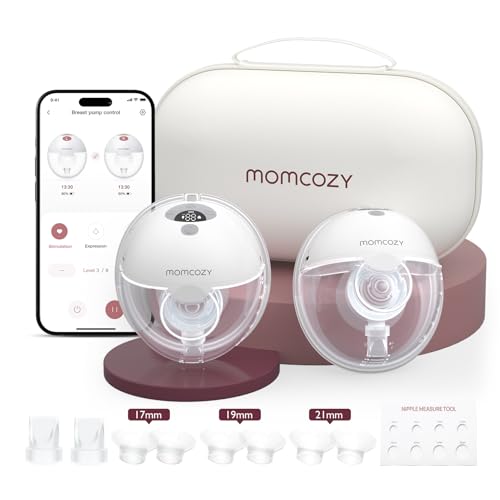
Wearable & Hands-Free Pumps
Designed to fit inside a bra, these pumps let you multitask during sessions. Ideal for moms with limited break time or shared office spaces, though output varies by model.
Hospital-Grade Rental Pumps
Powerful and durable, hospital-grade pumps are often rented short-term to establish supply or resolve latch difficulties. They are not typically designed for everyday workplace portability.
Many working moms pair a double electric pump for primary sessions with a wearable pump for commutes or meetings. If you are specifically searching for pumps recommended by lactation consultants, you will notice that double electric models dominate professional recommendations for sustained daily use.
Key Features to Prioritize
When comparing models, focus on the features that affect daily usability rather than marketing extras. The following checklist reflects what working moms consistently report as most valuable.
- Adjustable suction and cycle settings: Fine control over suction strength and rhythm makes sessions more comfortable and helps mimic a baby's natural feeding pattern.
- Closed-system design: A barrier prevents milk from entering the tubing and motor, which improves hygiene and simplifies cleaning between sessions.
- Battery life and portability: A rechargeable battery and lightweight build let you pump in a car, a lactation room, or a private office without hunting for an outlet.
- Noise level: Quiet motors are essential in shared spaces or when pumping during calls and meetings.
- Flange fit: A correctly sized flange dramatically improves comfort and output. Many brands offer multiple flange sizes, and some provide sizing guides.
- Ease of cleaning: Fewer parts and dishwasher-safe components reduce the daily cleaning burden, which matters when you are pumping away from home.
Pump Comparison by Use Case
The table below maps common working-mom scenarios to the pump category that tends to serve them best. It uses universal tier descriptors rather than numeric figures so the guidance stays relevant over time.
| Tier | Best For | Typical Strengths | Considerations |
|---|---|---|---|
| Entry-Level | Occasional pumpers and backup use | Compact, simple controls, easy to store | Slower sessions; less suited to daily double pumping |
| Mid-Range | Most working moms pumping daily | Double pumping, adjustable settings, rechargeable battery | Carry bag and cooler accessories vary by brand |
| Premium | Moms with demanding schedules or shared spaces | Quiet operation, strong suction, app connectivity, hands-free options | More parts to clean; higher learning curve |
| Luxury / Flagship | Frequent travelers and multitaskers | Wearable designs, discreet profiles, advanced milk expression modes | Output can vary by fit; best paired with a primary double pump |
Building a Workplace Pumping Routine
A predictable routine protects your supply and your sanity. Most working moms aim to pump every three to four hours, matching the intervals at which their baby feeds at home. If your workplace offers a dedicated lactation room, block the same time slots each day so colleagues and managers can plan around them.
Keep a portable kit with spare flanges, storage containers, a cooler bag with ice packs, and cleaning wipes. A second set of pump parts at the office means you are never stuck washing components in a shared bathroom sink. For moms who travel between meetings, a portable breast milk cooler keeps expressed milk at a safe temperature without relying on a shared refrigerator.
If your schedule includes long commutes or back-to-back meetings, a hands-free setup can help you reclaim time. Our guide to hands-free breast pumps through insurance explains how coverage may apply to wearable options.
Milk Storage and Transport at Work
Safe storage is non-negotiable. Freshly expressed milk can be kept at room temperature for a limited period, refrigerated for several days, and frozen for longer stretches, following established guidelines from health authorities. At work, the simplest reliable approach is a cooler bag with frozen ice packs stored beside your desk or in a locker.
- Label every container with the date and time of expression.
- Use sealed breast milk storage bags or hard-sided containers designed for human milk.
- Refrigerate or cool milk promptly after pumping, and avoid repeatedly warming and cooling the same batch.
- Transport milk home in an insulated bag, especially in warm weather.
If you are troubleshooting supply or pumping efficiency, our resources on how to increase breast milk and breast massagers for breastfeeding offer practical techniques that complement a consistent pumping schedule.
Insurance Coverage and Ordering
Many insurance plans classify breast pumps as preventive care, but the details vary widely by provider, plan type, and state. Before you order, confirm whether your plan covers a double electric pump, which models are approved, and whether a prescription or pre-authorization is required. Our coverage guides for Blue Cross Blue Shield, United Healthcare, Medicaid, and insurance-covered pumps break down the common pathways.
Keep in mind that insurance-covered models are often mid-range double electric pumps, which are well suited to daily workplace pumping. If you need a wearable or premium model, you may be able to apply insurance benefits toward an upgrade, depending on the supplier.
Common Mistakes Working Moms Make
- Skipping sessions to stay productive: Missing pumping breaks can reduce supply and cause engorgement. Treat sessions as fixed appointments.
- Using the wrong flange size: Ill-fitting flanges cause pain and lower output. Measure carefully and re-check after the first few weeks.
- Waiting until returning to work to start pumping: Begin pumping a few weeks before your return date to build a freezer stash and practice with the equipment.
- Ignoring workplace support: Know your rights to a private, non-bathroom space and reasonable break time. Clear communication with your employer prevents friction.
- Buying without checking insurance first: Many moms pay out of pocket for a pump that their plan would have covered.
Frequently Asked Questions
What type of breast pump is best for a working mom?
A double electric pump is generally the most efficient choice because it expresses milk from both breasts at once, shortening sessions and supporting supply. Wearable and hands-free models add convenience for multitasking but are often best used alongside a primary double pump.
How often should I pump at work?
Most working moms pump every three to four hours, which usually means two or three sessions across an eight-hour workday. Adjust based on your baby's feeding rhythm, your comfort, and your supply.
How should I store pumped milk at work?
Use a cooler bag with ice packs or a refrigerator to keep milk at safe temperatures. Label each container with the date, and follow established storage guidelines for room temperature, refrigeration, and freezing.
Can I get a breast pump through insurance?
Many plans cover breast pumps as preventive care, but coverage varies by provider and plan. Contact your insurer to confirm eligibility, approved models, and whether a prescription is needed before ordering.
Ready to Choose Your Pump?
Compare top-rated breast pumps for working moms, check availability, and read full feature breakdowns before you decide. Your pumping routine starts with the right equipment.
View Top Picks