How to Increase Breast Milk Supply Naturally
Are you concerned about your breast milk supply? Whether you're a new mom or an experienced parent, maintaining a healthy milk production is essential for your baby's nutrition and development. Discover proven strategies, natural remedies, and expert tips to boost your milk supply and ensure your little one gets all the nourishment they need.
Explore Methods →Understanding Breast Milk Production: Breast milk production works on a supply-and-demand basis. The more your baby nurses or you pump, the more milk your body produces. However, many factors can affect supply, including stress, nutrition, hydration, and latch issues. With the right strategies, you can naturally increase your breast milk supply and support your breastfeeding journey.
Proven Strategies to Increase Milk Supply
1. Nurse Frequently & On-Demand
The most effective way to increase breast milk supply is to breastfeed or pump frequently—every 2 to 3 hours, including overnight. Emptying the breasts signals your body to produce more milk. Consider baby feeding techniques that promote effective latching and milk transfer.
2. Optimize Latch and Positioning
A poor latch can prevent your baby from effectively removing milk, which can decrease supply over time. Work with a lactation consultant to ensure your baby is latching correctly. Comfortable positions like the cradle hold or football hold can make a big difference in feeding success.
3. Stay Hydrated and Well-Nourished
Drink plenty of water throughout the day—aim for at least 8-10 glasses. Your body needs fluids to produce milk. Additionally, consuming a balanced diet rich in whole grains, protein, and healthy fats supports milk production. Many moms find that certain breast milk storage practices also help them track output and identify patterns in supply.
4. Incorporate Galactagogues Into Your Diet
Galactagogues are foods, herbs, and supplements that may help increase milk supply. Popular options include:
- Oatmeal – Rich in iron and fiber, oatmeal is a classic lactation booster.
- Fenugreek – An herb commonly used to stimulate milk production.
- Brewer's Yeast – A nutritional supplement often added to lactation cookies.
- Fennel – Can be consumed as a tea or added to meals.
- Leafy Greens – Spinach, kale, and other greens are packed with vitamins.
- Almonds & Cashews – Healthy fats and protein that support milk quality.
Consider adding brewer's yeast for lactation to your daily routine for an extra boost.
5. Pump Between Feedings
Adding a pumping session between feedings can help stimulate additional milk production. This is especially helpful if you're returning to work or need to build a stash. A high-quality breast pump can make a significant difference in your pumping efficiency and comfort.
6. Manage Stress and Get Enough Rest
Stress and fatigue can negatively impact your milk supply. Practice self-care, rest when you can, and don't hesitate to ask for help. Studies show that relaxation techniques can improve milk ejection reflex and increase supply.
Natural Remedies & Herbal Supplements
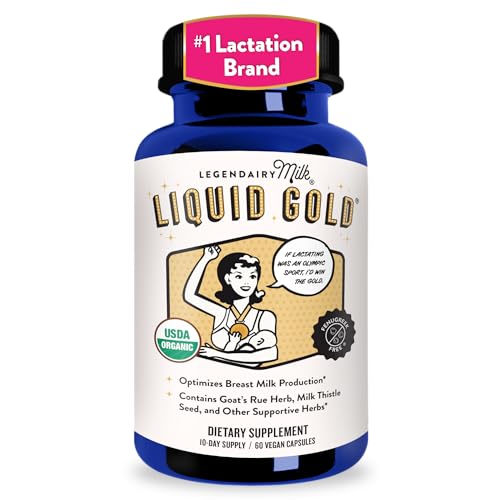
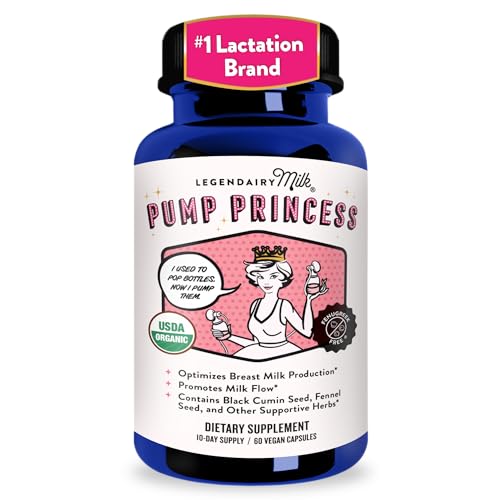
Many mothers turn to natural remedies to support their breastfeeding journey. Here are some of the most researched and recommended options:
Fenugreek Capsules
One of the most popular galactagogues, fenugreek has been used for centuries to boost milk supply. It's available in capsule form and can also be consumed as a tea.
$15–$25Lactation Cookies
Delicious and functional, lactation cookies typically contain oats, brewer's yeast, and flaxseed. They're a tasty way to support milk production and satisfy your sweet cravings.
$20–$35Mother's Milk Tea
A blend of herbs including fennel, anise, and fenugreek, this tea is a gentle and soothing way to support lactation. Drink 2-3 cups daily for best results.
$10–$18Moringa Supplements
Moringa is a nutrient-dense plant that may increase breast milk production. It's rich in vitamins and minerals that support overall health and lactation.
$20–$30When to Seek Professional Help
If you've tried these strategies and still struggle with milk supply, it may be time to consult a professional. A lactation consultant can assess your baby's latch, feeding patterns, and overall breastfeeding technique. They can also help identify any underlying issues like tongue-tie or hormonal imbalances.
Your pediatrician or healthcare provider can also offer guidance and, if necessary, recommend prescription medications that may help increase milk production. Remember, you're not alone—many mothers face similar challenges, and support is available.
For additional tips on baby care and feeding, explore our guides on baby nutrition and baby feeding.
Frequently Asked Questions
How long does it take to increase breast milk supply?
With consistent nursing or pumping, you may notice an increase in supply within 24 to 48 hours. However, it can take up to a week to see significant changes, depending on your body and the strategies you use.
Can I increase milk supply after it has decreased?
Yes! Even if your supply has dropped, you can often rebuild it with frequent feeding, pumping, proper nutrition, and hydration. Relactation is possible, and many mothers successfully increase their supply after a dip.
Are there any foods to avoid while breastfeeding?
While most foods are safe, some mothers find that excessive caffeine, parsley, sage, and peppermint can reduce milk supply. Pay attention to how your body responds and adjust as needed.
Does pumping help increase milk supply?
Yes, pumping between feedings or after your baby feeds can stimulate additional milk production. It's especially helpful if you're building a stash or preparing for a return to work.
Ready to Boost Your Milk Supply?
Explore our recommended products below—each one carefully selected to support your breastfeeding journey. From lactation supplements to breast pumps, find what works best for you.