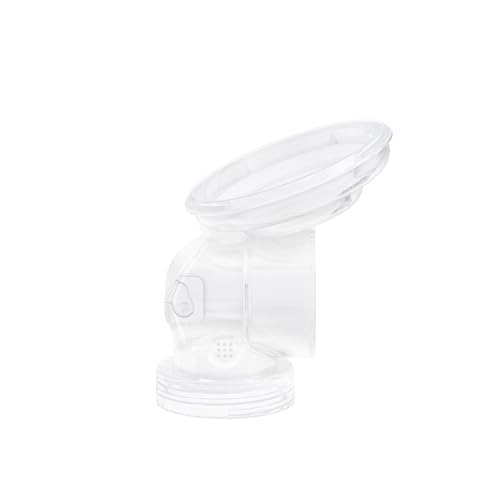
Breast Pumps Covered by Blue Cross Blue Shield
If you are pregnant or preparing for your baby’s arrival, your Blue Cross Blue Shield plan may cover a breast pump as a preventive benefit. Here is how to navigate the process with confidence.
Quick summary: Most ACA-compliant Blue Cross Blue Shield plans cover one manual or electric breast pump per pregnancy when obtained from an in-network durable medical equipment (DME) provider. Coverage details vary by the specific BCBS affiliate that administers your plan, so verifying with your member services team is always the first step.
Does Blue Cross Blue Shield Cover Breast Pumps?
Yes, in most cases. Under the Affordable Care Act (ACA), breastfeeding support and supplies—including breast pumps—are classified as preventive services for women. Blue Cross Blue Shield plans that are ACA-compliant are required to cover breast pumps without cost-sharing when you use an in-network provider [citation:4][citation:8].
However, Blue Cross Blue Shield is not a single entity. It is a federation of independent, locally operated companies across the United States. This means the exact coverage rules, the brands available, and the ordering process are determined by your specific BCBS affiliate—such as Blue Cross NC, Blue Cross Blue Shield of Massachusetts, or Nebraska Blue [citation:6][citation:7][citation:8].
For a broader look at how insurance coverage works across different plans, you can explore our guide on hands-free breast pumps through insurance.
Who Is Eligible for a Covered Breast Pump?
Eligibility generally follows pregnancy status. Most BCBS plans cover a breast pump for members who are in their third trimester of pregnancy or who have already delivered a baby [citation:9]. The benefit is typically structured as one pump per pregnancy, regardless of whether you choose a manual or electric model [citation:4][citation:8].
Importantly, this preventive benefit often applies even if your plan does not include maternity coverage for dependents, as long as you are a covered member [citation:8]. To confirm your personal eligibility, call the Member Services number on the back of your BCBS ID card and ask specifically about the breastfeeding support and supplies benefit.
How to Get Your Breast Pump Through BCBS
The ordering process is straightforward but requires attention to a few key details. Following these steps helps ensure the pump is covered without unexpected charges.
- Verify your benefit. Call Member Services or log into your BCBS member portal to confirm that breast pump coverage is active on your plan and to ask for a list of in-network DME suppliers.
- Get a prescription. Most plans require a prescription from your healthcare provider (OB, midwife, or nurse practitioner) for the breast pump [citation:7].
- Choose an in-network DME supplier. This is the most critical step. You must obtain the pump from a supplier that is contracted with your specific BCBS plan. If you use an out-of-network supplier, you may be responsible for a significant portion of the expense, or you may need to submit a claim for partial reimbursement [citation:4][citation:8].
- Order through the pharmacy if using a retail store. If your in-network supplier is a retail pharmacy, you must complete the transaction at the pharmacy counter—not the front cashier. The pharmacy counter is classified as the DME supplier, while the front-of-store cashier is not [citation:4].
Some BCBS affiliates also partner with specialized breast pump ordering services that handle insurance verification and shipping. These services can simplify the process, but always confirm that the supplier is in-network with your specific plan before ordering.
What Types of Breast Pumps Are Covered?
Coverage typically includes one manual or one electric breast pump kit per pregnancy [citation:4][citation:8]. The kit generally contains the pump itself and the basic supplies needed for operation, such as tubing, valves, membranes, and breast shields [citation:4].
Many BCBS plans cover popular double electric pumps from brands such as Medela, Spectra, Lansinoh, and Ameda [citation:13]. Some affiliates also offer wearable pump options or allow upgrades to a higher-tier model with an additional member payment, though this varies significantly by plan [citation:13].
Hospital-grade breast pumps are generally not covered for home use under standard preventive benefits. They are typically reserved for specific medical situations and may require separate authorization [citation:7].
| Tier | Typical Pump Type | Best For |
|---|---|---|
| Entry-level / Essential tier | Manual pump or basic single electric | Occasional pumping, backup use, or minimal pumping needs |
| Mid-range / Balanced tier | Double electric pump with standard features | Regular pumping at home or work, establishing supply |
| Premium / Top-tier | Advanced double electric or wearable pump | Frequent pumping, mobility, or specific feature needs |
To compare pump styles more deeply, see our guide on breast pumps for working moms or explore options recommended by lactation consultants.
What About Replacement Parts and Supplies?
Replacement supplies such as tubing, breast shields, valves, and bottles are often covered under the same preventive benefit, but limits apply. For example, Blue Cross NC limits breast pump supplies to two units per code per year [citation:1][citation:6].
Items like maternity bras, nursing pads, and extra bottles are typically not covered as part of the pump benefit [citation:4][citation:8]. If you need milk storage solutions, our article on breast milk storage bags and insurance may be helpful.
Frequently Asked Questions
Do I need a prescription for a breast pump through BCBS?
Most BCBS plans require a prescription from your healthcare provider. Some affiliates may also require prior authorization for certain pump models or brands [citation:7][citation:11].
Can I get a breast pump before my baby is born?
Many plans allow ordering during the third trimester. Check with your specific BCBS affiliate for the exact timing window [citation:9].
What happens if I use an out-of-network supplier?
You may need to pay for the pump upfront and submit a claim for reimbursement. BCBS will typically reimburse only up to a maximum allowable amount, leaving you responsible for the difference [citation:4][citation:8].
Does BCBS cover wearable breast pumps?
Coverage for wearable pumps varies by affiliate. Some plans offer them at no cost, while others require an upgrade payment. Check your specific plan’s pump catalog through your in-network supplier [citation:13].
Can I get a breast pump through Medicaid BCBS plans?
Medicaid managed care plans administered by BCBS entities may have different rules. For details, see our guide on breast pumps through Medicaid insurance.
Before you order: Always confirm coverage directly with your BCBS plan using the Member Services number on your ID card. Benefits can change, and the information here is a general guide—not a guarantee of coverage. For related topics, explore our full article on breast pumps covered by insurance and breast pump essentials.