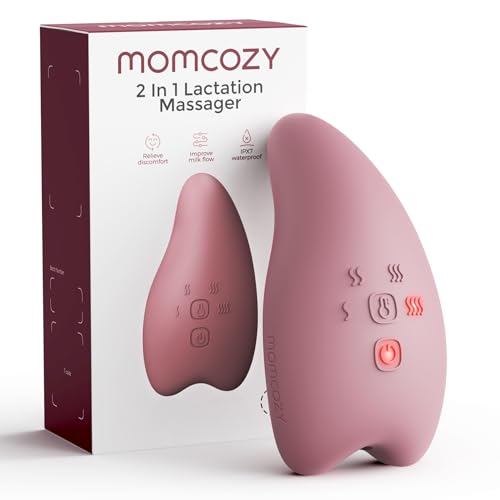
Breast Massager for Breastfeeding: Complete Guide & Top Picks
Learn how a breast massager can ease engorgement, encourage milk flow, and help relieve clogged ducts — plus how to choose the right model for your nursing or pumping routine.
See Our Top PicksQuick answer: A breast massager uses gentle vibration or warmth to stimulate milk flow, soften the breast before latching, and help relieve the discomfort of engorgement or clogged ducts. It is a supportive tool — not a replacement for professional lactation care.
What Is a Breast Massager and Why Do Breastfeeding Moms Use One?
A breast massager is a small, handheld device — usually cordless and rechargeable — that delivers gentle vibration, heat, or both to the breast tissue. During breastfeeding or pumping, this stimulation can trigger a stronger let-down reflex, help move milk through the ducts, and soften hard or tender areas so your baby can latch more comfortably.
Many mothers discover massagers while dealing with common breastfeeding challenges such as engorgement, plugged ducts, or slow milk flow during pumping sessions. If you are also exploring ways to build supply naturally, our guide on how to increase breast milk pairs well with the techniques described here.
Key Benefits of Using a Breast Massager
Encourages Let-Down
Gentle vibration can help trigger the milk ejection reflex, especially during pumping when let-down is slower.
Relieves Engorgement
Softer breast tissue makes latching easier and reduces the discomfort of a very full breast.
Helps Clear Clogged Ducts
Directed vibration can support the movement of milk through a plugged duct when combined with nursing or pumping.
Supports Pumping Output
Hands-on massage during pumping is a well-known technique; a massager makes it easier to sustain.
How to Use a Breast Massager Safely
Using a massager is straightforward, but a few best practices will keep your sessions comfortable and effective:
- Start on the lowest setting. Increase intensity gradually and stop if you feel any sharp pain.
- Work in gentle circles. Move from the outer breast toward the nipple to encourage flow, rather than pressing hard on one spot.
- Combine with feeding or pumping. Use the massager just before and during a session for the best results.
- Keep sessions short. A few minutes per breast is usually enough; overuse on high settings can cause irritation.
- Clean after each use. Follow the manufacturer's cleaning instructions, especially if the device has a removable cover.
If you have recurring clogged ducts, fever, or persistent pain, speak with your healthcare provider or a lactation consultant. A massager is a comfort tool, not a treatment for mastitis.
Types of Breast Massagers: Which Tier Fits Your Routine?
Breast massagers generally fall into a few recognizable tiers. Rather than focusing on any single figure, consider where each tier sits in the market and what it typically offers.
| Tier | Best For | Typical Features |
|---|---|---|
| Entry-level | Occasional use, first-time moms testing the concept | Single vibration speed, battery-powered, basic wipe-clean surface |
| Mid-range | Regular nursing and pumping routines | Multiple vibration modes, rechargeable battery, contoured shape, washable cover |
| Premium | Frequent pumpers, moms prone to clogs | Heat + vibration combos, silent motor, hands-free wearable design, app or timer features |
| Top-tier / professional-grade | Exclusive pumpers, lactation-support settings | Hospital-inspired design cues, dual-motor stimulation, extended battery life, premium materials |
In general, mid-range models offer a noticeably smoother motor and more control than entry-level devices, while premium options add warmth and quieter operation. For most mothers, a mid-range unit is a solid starting point.
Breast Massager vs. Other Lactation Tools
A massager is just one piece of a well-rounded breastfeeding toolkit. Here is how it compares with related tools:
- vs. Manual massage: Your hands are always available, but a massager sustains consistent pressure during long pumping sessions — helpful if your hands get tired or you want to be hands-free.
- vs. Warming pads: Heat can ease discomfort and support let-down; many premium massagers combine warmth with vibration for a two-in-one approach.
- vs. a breast pump: These serve different roles. If you are still deciding on a pump, browse our breast pumps collection, and for working mothers specifically, see breast pumps for working moms.
- vs. bottles: If you introduce bottles later, the guide on bottles most similar to a breast nipple can help ease the transition.
What to Look for Before You Choose
Keep these criteria in mind when comparing models:
- Adjustable intensity: Look for at least three vibration levels so you can start gentle.
- Ergonomic shape: A contoured, lightweight body is easier to hold during a 20-minute pumping session.
- Battery life: Rechargeable units are convenient; check that a full charge covers several sessions.
- Noise level: A quiet motor matters if you pump at night or in shared spaces.
- Cleaning: Removable, machine-washable covers simplify hygiene.
- Warmth feature: Optional, but many mothers find heat helpful for engorgement.
Ready to Explore Breast Massager Options?
Our curated product picks below are selected for breastfeeding and pumping routines. Compare features across tiers and choose the one that matches your needs.
Jump to Product PicksTips for Getting the Most Out of Your Massager
Small adjustments can make a noticeable difference in comfort and output:
- Massage for one to two minutes before latching or pumping to encourage let-down.
- Keep the device moving in small circles rather than holding it in one place.
- Pair with a warm shower or a warm compress on days when the breast feels particularly full.
- Stay hydrated and rested — both support overall milk production and comfort.
- If you are building a hospital bag, include your massager alongside your other essentials. Our postpartum care kit guide covers related recovery items.
Frequently Asked Questions
What does a breast massager do for breastfeeding?
It uses gentle vibration or warmth to stimulate milk flow, relieve engorgement, soften the breast before latching, and encourage the release of clogged ducts during nursing or pumping sessions.
Can I use a breast massager while pumping?
Yes. Many massagers are designed to be placed inside a nursing bra or held against the breast while pumping. The vibration helps empty the breast more thoroughly, which can increase output for some mothers.
Are breast massagers safe for everyday use?
Generally yes, when used as directed. Choose a device with adjustable intensity, avoid prolonged use on the highest setting, and consult your lactation consultant or healthcare provider if you have recurring clogs, pain, or a history of mastitis.
How do I clean a breast massager?
Most units have a removable, washable cover or a wipe-clean surface. Follow the manufacturer's instructions, clean after each session, and never submerge the motorized portion in water unless it is explicitly waterproof.
For more support on your breastfeeding journey, explore our guides on breast milk, breast milk storage bags, and breast massagers to build a routine that works for you.