Breast Pump Through Insurance Medicaid: Your Complete Guide
Understand how Medicaid coverage works for breast pumps, which pump types are typically included, and the exact steps to request your pump with confidence.
How Medicaid Coverage for Breast Pumps Works
Medicaid is a state-administered program, and while federal guidelines encourage breastfeeding support, the specifics of breast pump coverage are decided at the state level. This means the benefit is real and widely available, but the details — such as which pump categories are included, whether a hospital-grade rental is covered, and how often a new pump can be requested — vary from one state program to another.
Most state Medicaid programs recognize that breastfeeding support is a preventive health service. As a result, many cover a personal-use electric breast pump for mothers who are returning to work, attending school, or otherwise separated from their newborn during the day. Some programs also cover manual pumps, pump replacement parts, and lactation consultant visits.
Because coverage is state-specific, the single most useful action is to contact your state Medicaid office or your managed care plan directly. Ask two questions: whether a breast pump is a covered benefit, and what documentation they require. Getting those answers in writing or through a member portal note can save time later.
Key point: Medicaid coverage for breast pumps is a state-level benefit. The broad national framework encourages breastfeeding support, but your specific state program defines the covered pump categories, the request process, and any limits on frequency.
Who Qualifies for a Breast Pump Through Medicaid
Eligibility for a covered breast pump generally follows the same rules as your overall Medicaid enrollment. If you are an active Medicaid member and you are pregnant or postpartum, you are typically eligible to request breastfeeding equipment. Most programs require that the request be tied to a medical need, which a prescription from your healthcare provider satisfies.
Common qualifying situations include:
- Being an active Medicaid enrollee who is pregnant or has recently given birth.
- Planning to return to work, school, or a training program and needing to express milk during separations.
- Having a newborn with feeding challenges, such as prematurity or latching difficulties, where expressed milk is medically beneficial.
- Being enrolled in a managed care plan that includes breastfeeding support as a covered benefit.
Some programs also extend coverage to adoptive mothers who are inducing lactation, and to mothers who need a pump after a pregnancy loss. If your situation is less common, a short call to your plan's member services line is the fastest way to confirm eligibility.
Pump Types Commonly Covered by Medicaid
Medicaid programs typically cover personal-use pumps rather than hospital-grade rental units, though rental coverage exists in some states for specific medical situations. The pump category you receive is usually the one specified in your prescription and approved by your plan.
| Tier | Typical Category | Best For |
|---|---|---|
| Entry-level | Manual pump or single-electric pump | Occasional expression, establishing supply, backup use |
| Mid-range | Double-electric personal pump | Daily pumping for working or studying mothers |
| Premium | Closed-system double-electric pump with adjustable suction | Frequent pumping, comfort-focused users, longer sessions |
| Professional-grade | Hospital-grade rental pump | Medical need such as premature birth or low supply, when approved |
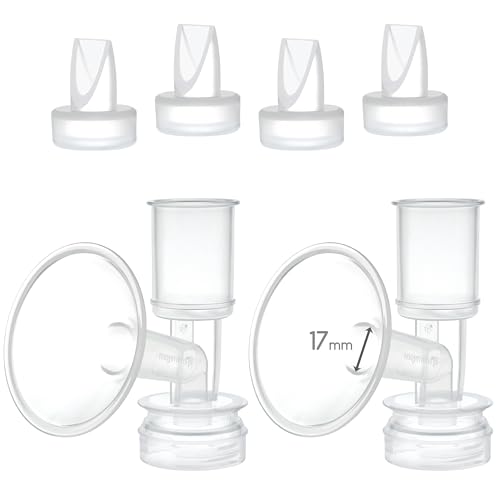
Most Medicaid members receive a mid-range double-electric pump because it supports the daily pumping schedule that returning-to-work mothers need. Premium and professional-grade options usually require a stronger medical justification, such as a documented lactation complication. If your plan approves a specific model, confirm whether replacement parts such as flanges and valves are included or must be requested separately.
For mothers who pump regularly, a supportive setup matters as much as the pump itself. A hands-free pumping bra lets you express milk without holding the flanges, which makes sessions far more comfortable and practical. It is worth confirming whether your plan covers accessories of this kind or whether they are a separate purchase.
Step-by-Step: How to Request Your Pump
The request process is straightforward once you know the order of steps. The sequence below reflects the most common path across state programs and managed care plans.
- Confirm your coverage. Log into your Medicaid member portal or call member services. Ask whether breast pumps are covered, which categories are included, and how often a pump can be requested.
- Get a prescription. Ask your OB-GYN, midwife, or pediatrician for a written prescription for a breast pump. The prescription should state the pump category and, if needed, the medical reason.
- Choose an approved supplier. Many plans work with specific durable medical equipment suppliers. Ask member services for the list of in-network suppliers, then contact one to confirm they accept your plan.
- Submit your request. The supplier usually handles the paperwork, including the prescription and a prior authorization form when required. Provide your member ID and delivery address.
- Track the approval. Prior authorization can take anywhere from a few days to a couple of weeks. Follow up with the supplier and keep a record of dates and reference numbers.
- Receive and inspect the pump. Confirm the model matches the approved category, check that all parts are included, and read the cleaning instructions before first use.
If your plan allows you to order online through an approved supplier, the process can be faster. Keep your prescription and approval confirmation together in case you need to reference them later. For mothers exploring other insurance-based benefits, the same documentation-first approach applies to free breast milk storage bags through insurance, which many plans cover alongside the pump itself.
Documents and Prescriptions You Will Need
Having the right paperwork ready is the difference between a smooth approval and a delay. Most requests require the following:
- Proof of active Medicaid enrollment, such as your member ID card or a portal screenshot showing current coverage.
- A written prescription from a licensed healthcare provider, specifying the pump category and any medical justification.
- A prior authorization form when your plan requires one. The supplier often completes this, but you may need to sign it.
- Delivery address and contact information for the supplier to ship the pump.
- For rental pumps, additional documentation of medical necessity, such as a note from a lactation consultant or pediatrician.
Some plans also ask for the expected delivery date or the baby's birth date to confirm the postpartum window. If you are applying before giving birth, ask whether your plan accepts a request in the final weeks of pregnancy or only after delivery. Knowing this detail in advance prevents a wasted submission.
Tip: Request a copy of your prescription and keep it with your approval letter. If the first supplier cannot fulfill the order, having the documents ready lets you switch suppliers without restarting the entire process.
When to Request Your Breast Pump
Timing depends on your state program and your plan's rules, but a practical approach is to start the process in the final weeks of pregnancy. Many plans accept requests in the third trimester and ship the pump shortly before or after delivery, so it arrives before you need it.
If your plan requires the request to be submitted after birth, aim to submit within the first week postpartum. Early submission matters because prior authorization takes time, and you may need to begin pumping soon after delivery if your newborn has feeding challenges or if you are returning to work quickly.
Frequency limits are another timing consideration. Many programs cover one personal-use pump per pregnancy, with a replacement allowed after a set number of months or in a subsequent pregnancy. If you are planning another pregnancy, ask member services whether a new pump can be requested and what the waiting period is. For broader postpartum preparation, a postpartum care kit pairs well with your pumping setup and helps you plan the first weeks at home.
Common Reasons for Denial and How to Fix Them
Most denials are procedural rather than a rejection of the benefit itself. Understanding the common causes helps you respond quickly.
Missing or incomplete prescription
A prescription that does not specify the pump category or lacks the provider's signature is a frequent cause of delay. Ask your provider to include the category and a brief medical justification, then resubmit.
Out-of-network supplier
If the supplier is not in your plan's network, the request may be declined. Contact member services for the approved supplier list and resubmit through an in-network supplier.
Request submitted outside the allowed window
Some plans only accept requests during a specific postpartum period. Confirm the window before submitting, and if you have missed it, ask whether an exception can be made with documentation of medical need.
Prior authorization not obtained
When a plan requires prior authorization, submitting without it leads to denial. The supplier usually manages this step, but confirm it has been completed before the order is finalized.
Frequency limit already reached
If you received a pump earlier in the same pregnancy or within the plan's replacement window, a second request may be denied. Ask about replacement eligibility and the documentation needed for an exception.
If a denial does occur, you generally have the right to appeal. Request the denial reason in writing, gather the supporting documents, and submit an appeal through your plan's member services. Many denials are reversed once the missing documentation is provided.
Frequently Asked Questions
Is a breast pump really covered through Medicaid?
In most states, yes. Breast pumps are widely recognized as breastfeeding support and are covered for eligible members, though the specific pump categories and request process are set by each state program and managed care plan. Confirm the details with your plan before ordering.
Do I need a prescription from my doctor?
Most programs require a prescription from a licensed healthcare provider such as an OB-GYN, midwife, or pediatrician. The prescription typically states the pump category and any medical justification. Ask your provider to include these details to avoid delays.
Can I choose any breast pump model?
Not always. Your plan usually approves a specific pump category, and the supplier offers models within that category. If you prefer a premium or professional-grade model, a stronger medical justification may be required. Check with your supplier about the approved options.
How long does approval take?
Approval time varies by plan and whether prior authorization is required. Some requests are processed in a few days, while others take a couple of weeks. Following up with the supplier and keeping your documents ready helps move things along.
Are replacement parts covered too?
Coverage for replacement parts such as flanges, valves, and tubing varies by plan. Some plans include a starter set with the pump and cover replacements on a schedule, while others do not. Ask member services what is included so you can plan accordingly.
What if my request is denied?
Request the denial reason in writing and check whether the issue is a missing document, an out-of-network supplier, or a timing problem. Most denials can be resolved by correcting the submission. You also have the right to appeal through your plan's member services.
Ready to Explore Your Pump Options?
Once your coverage is confirmed, compare the pump categories available through your plan and choose the setup that fits your daily routine.
Explore Pump Options