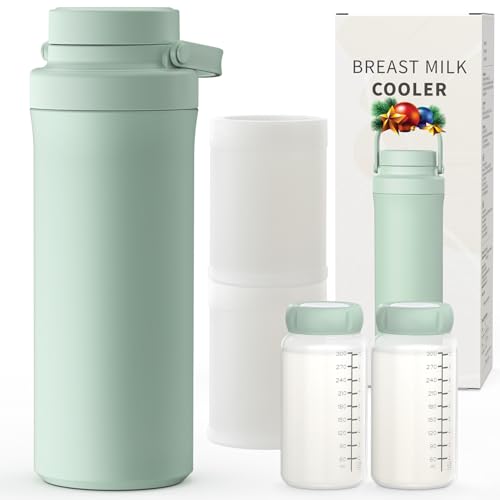
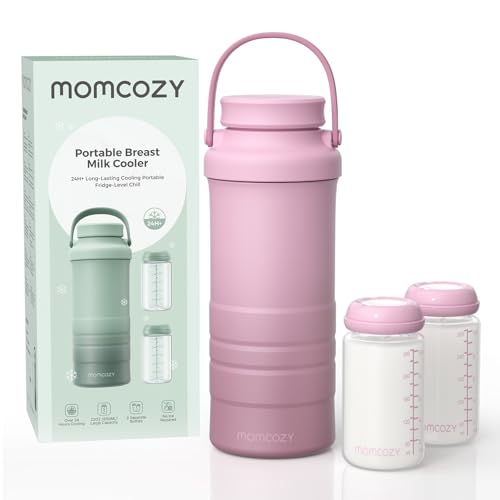
Breast Milk Portable Cooler: Complete Buying Guide
Everything a pumping mom needs to know about choosing the right portable cooler for safe breast milk storage on the go — at work, during travel, or while running errands.
Explore Top PicksWhy a dedicated breast milk portable cooler matters: Freshly expressed breast milk needs to stay at 4°C (39°F) or colder to remain safe for your baby. A well-insulated cooler with quality ice packs protects milk during commutes, flights, and long days out — giving you peace of mind and preserving the nutritional quality of every ounce you worked hard to pump.
Quick Summary: What to Look For
- Insulation quality: Thick foam or gel-lined walls hold cold temperatures longer.
- Ice pack performance: Medical-grade gel packs outperform standard freezer blocks.
- Capacity: Match the compartment size to your daily pump output and bottle count.
- Portability: Adjustable straps, backpack conversion, and lightweight builds matter for daily commutes.
- Easy cleaning: Wipeable, leak-proof interiors prevent odor and bacterial buildup.
- Discreet design: Some moms prefer bags that don't look like medical coolers.
Why Every Pumping Mom Needs a Portable Breast Milk Cooler
Whether you're returning to the office, taking a road trip, or simply running a long day of errands, breast milk needs consistent cold storage. A standard lunch bag often falls short — it lacks the insulation depth, dedicated compartments, and medical-grade ice packs that keep milk at safe temperatures for extended periods.
A dedicated cooler designed for breast milk solves several problems at once: it protects milk from temperature fluctuations, keeps bottles and storage bags upright to prevent leaks, and often includes features like removable liners and extra pockets for pump parts. For moms who pump at work, a reliable cooler is just as essential as a quality breast pump or a comfortable pump designed for working moms.
If you're still building out your pumping toolkit, consider pairing your cooler with breast milk storage bags for space-efficient freezing and a storage bag option covered by insurance if available through your plan.
Types of Breast Milk Portable Coolers
Soft-Sided Cooler Bags
Lightweight and flexible, these bags often look like stylish totes or mini backpacks. They typically include removable ice packs and wipeable liners. Best for daily commutes and short trips. Mid-range and premium options offer superior insulation and more compartments.
Hard-Shell Coolers
Rigid exteriors provide maximum protection and insulation. These are heavier but excel for long travel days, flights, and outdoor excursions. Entry-level hard coolers work for short outings; high-end tier models can hold safe temperatures for 24 hours or more.
Pump Bag with Built-In Cooler
Combination bags feature a dedicated insulated compartment alongside space for your pump, flanges, and accessories. These are the most convenient for working moms who want one bag for everything. Available from mid-tier to luxury tiers.
Compact Travel Coolers
Small, single-bottle coolers designed for short errands or as a backup. These are the essential tier — simple, lightweight, and best for quick trips rather than full workdays. Often used alongside a larger cooler for flexibility.
Feature Comparison by Tier
| Tier | Insulation | Ice Pack Type | Cold Retention | Best For |
|---|---|---|---|---|
| Entry-Level | Basic foam lining | Standard freezer blocks | 4–6 hours | Short errands, backup use |
| Mid-Range | Thick foam + reflective lining | Gel packs | 8–12 hours | Daily commutes, workdays |
| Premium | Multi-layer insulation | Medical-grade gel packs | 12–18 hours | Long workdays, day trips |
| Luxury / Professional-Grade | Vacuum-sealed or high-density foam | Advanced phase-change packs | 18–24+ hours | Air travel, extended outings |
Cold retention estimates assume proper ice pack preparation and moderate ambient temperatures. Always verify internal temperatures with a thermometer.
Key Features to Evaluate Before Buying
Insulation Depth
Look for bags with at least 1 inch of foam insulation on all sides. Premium models use multi-layer construction with reflective barriers that bounce cold air back toward the milk. Thin-walled bags lose cold quickly when opened.
Ice Pack Quality
Medical-grade gel packs maintain consistent temperatures longer than water-based freezer blocks. Look for packs that stay flexible when frozen so they conform to bottle shapes. Some premium coolers include phase-change packs that hold specific temperatures.
Capacity & Layout
Measure your daily pump output. A typical workday might require space for 3–4 bottles or 6–8 storage bags. Upright compartments prevent leaks, while flat pockets accommodate storage bags efficiently.
Portability
Adjustable shoulder straps, backpack conversions, and top handles make daily transport easier. Weight matters too — a loaded cooler with hard ice packs can become heavy. Consider how you'll carry it alongside your breast pump and other work essentials.
Ease of Cleaning
Leak-proof, wipeable liners are essential. Removable interiors that can be washed separately offer the best hygiene. Avoid bags with fabric interiors that absorb spills — milk residue can harbor bacteria and cause odors.
Discreet Appearance
Many moms prefer coolers that look like ordinary totes or lunch bags rather than medical equipment. This matters for workplace comfort and travel. Mid-range and premium brands increasingly offer stylish, inconspicuous designs.
How to Use a Breast Milk Portable Cooler Safely
- Pre-chill the cooler: Place the cooler bag in the refrigerator or freezer for 30 minutes before loading it. This lowers the internal temperature and extends cold retention.
- Freeze ice packs completely: Gel packs should be frozen solid for at least 12 hours before use. Partially frozen packs lose effectiveness quickly.
- Layer properly: Place ice packs on the bottom, then milk containers, then more ice packs on top. Cold air sinks, so bottom placement is critical for even cooling.
- Keep it closed: Every time you open the cooler, cold air escapes. Minimize opening during commutes and workdays. Consider a separate small cooler for milk you'll use first.
- Verify temperature: Use a small thermometer to check internal temperature periodically. Milk should stay at 4°C (39°F) or below. If you're unsure, err on the side of caution.
- Transfer promptly: When you arrive at your destination, transfer milk to a refrigerator as soon as possible. Coolers are for transport, not long-term storage.
For moms managing milk supply alongside pumping schedules, our guide on how to increase breast milk offers practical strategies that complement a reliable storage routine.
Breast Milk Storage Safety Guidelines
Critical safety reminder: Always follow CDC and AAP guidelines for breast milk storage. Freshly expressed milk can be kept at room temperature for up to 4 hours, in a cooler with ice packs for up to 24 hours, in a refrigerator for up to 4 days, and in a freezer for 6–12 months depending on freezer type. Never refreeze thawed milk, and always discard leftover milk from a feeding.
Pair your cooler with a reliable bottle warmer for frozen breast milk at your destination to safely bring milk to feeding temperature without hot spots. If you're pumping on the go, a breast massager can help with letdown and milk flow during travel or workplace pumping sessions.
Ready to Choose Your Cooler?
Browse our curated selection of breast milk portable coolers below — organized by tier and use case so you can find the right match for your pumping lifestyle.
View Recommended CoolersFrequently Asked Questions
How long can a portable cooler keep breast milk cold?
Most mid-range and high-end portable coolers with quality ice packs maintain safe temperatures for 8 to 12 hours. Premium models with thick insulation and gel packs may extend this to 24 hours or more, depending on ambient conditions and how often the bag is opened. Always verify with a thermometer rather than relying solely on manufacturer claims.
What temperature should breast milk be stored at in a portable cooler?
Freshly expressed breast milk should be kept at 4°C (39°F) or colder. Use a thermometer to verify the internal temperature, and always place ice packs on all sides of the milk containers for even cooling. If the milk warms above 4°C for an extended period, it may need to be discarded.
Can I use a regular lunch cooler for breast milk?
While a standard lunch cooler can work in a pinch, dedicated breast milk portable coolers offer better insulation, dedicated compartments for milk storage bags or bottles, and often include medical-grade ice packs that maintain consistent temperatures for longer periods. For daily use or travel, a purpose-built cooler is a worthwhile investment.
How do I clean and maintain my breast milk cooler?
Most cooler bags have wipeable interiors that can be cleaned with mild soap and water. Remove ice packs after each use, dry the interior thoroughly to prevent mold, and store the bag open in a cool, dry place. Check the manufacturer's instructions for specific care guidelines. Avoid submerging the bag in water unless it's explicitly machine-washable.
Is a cooler bag better than a hard-shell cooler for breast milk?
It depends on your use case. Soft-sided cooler bags are lighter, more portable, and easier to carry alongside a pump — ideal for daily commutes and office use. Hard-shell coolers offer superior insulation and protection, making them better for long travel days, flights, and outdoor excursions. Many moms own both: a soft bag for weekdays and a hard cooler for travel.
Final Thoughts
Choosing the right breast milk portable cooler is about matching insulation performance, capacity, and portability to your daily routine. For most working moms, a mid-range soft-sided cooler with quality gel packs hits the sweet spot — enough cold retention for a full workday without the bulk of a hard-shell model. Frequent travelers and moms with longer commutes should consider premium or professional-grade options with extended cold retention.
Whatever you choose, pair it with a dependable breast pump and a solid storage strategy. If you're navigating insurance coverage for pumping supplies, our guides on hands-free pumps through insurance and pumps covered by Blue Cross Blue Shield can help you maximize your benefits while building your pumping toolkit.