
Baby Nutrition Guide: From Breast Milk to Toddler Meals
Learn everything about feeding your baby: breast milk, formula, starting solids, and toddler nutrition. Make informed choices for your child's health and development.
START LEARNINGComplete Baby Nutrition Guide
Good nutrition is the cornerstone of your baby's growth and development. As a parent, you want to provide the best possible start for your little one. This comprehensive guide covers everything from the first feed to toddler meals. Whether you are considering breastfeeding, exploring formula options, or preparing for baby-led weaning, we provide evidence-based information to help you make confident decisions.
Understanding your baby's nutritional needs at each stage is crucial. In the first year, your baby's growth is rapid, and their dietary requirements evolve quickly. We'll break down each phase, offering practical tips and answering common questions. From ensuring your baby gets enough iron to introducing allergenic foods safely, we've got you covered.
Stage 1: Breastfeeding & Infant Formula (0–6 Months)
For the first six months, breast milk or infant formula provides all the nutrients your baby needs. Both are excellent choices, and the best option is the one that works for your family.
Breastfeeding: Benefits and Tips
Breast milk is uniquely tailored to your baby. It contains the perfect balance of nutrients and antibodies that help protect against infections. If you are looking to increase your milk supply, frequent feeding and proper latch are key. Many mothers find success with lactation supplements like brewer's yeast and adequate hydration.
💡 Pro Tip: If you're returning to work, consider a high-quality breast pump. Check out our guide on breast milk storage bags and insurance coverage to safely store your liquid gold.
Choosing the Right Formula
If you choose formula, there are many options available. Standard cow's milk-based formulas are most common. However, some babies may need specialized formulas. For babies with sensitivities, you might look into options like sensitive formula without corn syrup. Always consult your pediatrician to find the best formula for your baby's needs.
Some parents ask about the closest thing to breast milk formula. While no formula can perfectly replicate breast milk, many are designed to closely match its nutritional profile.
Feeding Frequency
Newborns typically feed 8–12 times per day. Look for hunger cues like rooting, sucking on hands, or fussiness.
Signs of Adequate Intake
Your baby should have 6–8 wet diapers a day and be gaining weight steadily. A satisfied baby is usually content after feeding.
Stage 2: Introducing Solids (Around 6 Months)
Around six months, your baby's iron stores begin to deplete, and they need complementary foods. This is an exciting milestone! Start with single-ingredient purees and gradually introduce textures and flavors.
Baby-Led Weaning vs. Traditional Purees
There are two main approaches to starting solids: baby-led weaning (BLW) and traditional spoon-feeding with purees. Baby-led weaning supplies include soft, finger-sized foods that your baby can self-feed. This method encourages independence and helps develop motor skills. Learn more about baby-led weaning tips to get started safely.
For traditional weaning, you'll need essential feeding equipment like baby spoons, bowls, and a baby bib to keep messes manageable. Our baby food guide covers everything from first foods to meal planning.
🥕 First Foods: Good first foods include iron-fortified infant cereal, pureed meat, poultry, or fish, and pureed vegetables like sweet potatoes and carrots. Introduce one food at a time and wait a few days before trying another to check for allergic reactions.
Stage 3: Toddler Nutrition (1–3 Years)
Toddlers are known for their picky eating, but they still need a balanced diet to support their rapid growth and brain development. At this stage, they should be eating a variety of foods from all food groups.
Encourage self-feeding with a baby spoon and a baby cup to develop independence. Offering a baby bib will help contain the inevitable mess as they learn to eat. For snacks and meals on the go, a diaper caddy can keep feeding supplies organized.
If you're concerned about your toddler's nutrition, consult your pediatrician. Some parents find that food allergies baby may develop during this period, so it's important to introduce a wide variety of foods early and watch for any reactions.
Portion Sizes
A toddler's portion size is about ¼ of an adult portion. Focus on nutrient-dense foods rather than large quantities.
Picky Eating Tips
Offer choices, involve your toddler in meal preparation, and be patient. It can take 10–15 exposures to a new food before it's accepted.
Essential Nutrients for Growing Babies
Ensuring your baby gets the right nutrients is vital for their development. Here are the key nutrients to focus on:
- Iron: Crucial for brain development and preventing anemia. Found in fortified cereals, meats, and beans.
- Calcium: For strong bones and teeth. Found in dairy products, fortified plant milks, and leafy greens.
- Vitamin D: Supports calcium absorption and immune function. Many babies need a supplement unless they are drinking fortified formula.
- Omega-3 Fatty Acids (DHA): Essential for brain and eye development. Found in fatty fish, algae oil, and some fortified formulas.
- Zinc: Important for growth and immune function. Found in meats, poultry, and fortified cereals.
For a complete list of baby essentials, don't forget to check our baby registry checklist to ensure you have everything you need for feeding and nutrition.
Common Feeding Concerns & Solutions
Food Allergies
Introducing allergenic foods like peanuts, eggs, and fish early (around 6 months) may help reduce the risk of allergies. If you have a family history of allergies, consult your pediatrician first. Our food allergies baby guide provides more detailed information.
Choking Hazards
Always supervise your baby while eating and avoid foods that are choking hazards. Learn more about choking hazards and baby CPR to be prepared for emergencies.
Pickiness and Refusal
It's common for toddlers to refuse foods. Keep offering a variety of foods in a low-pressure environment. Try involving your child in grocery shopping and cooking to spark their interest.
🍽️ Feeding Schedule: Aim for three meals and two snacks a day. Offer milk or water with meals. Avoid letting your child graze all day, as this can reduce their appetite for meals.
Essential Feeding & Nutrition Products
⚠️ AFFILIATE DISCLOSURE: This website contains affiliate links. As an Amazon Associate, we earn from qualifying purchases. If you make a purchase through these links, we may receive a small commission at no additional cost to you. Read our full affiliate policy.

Super Nutrition for Babies, Revised Edition: The Best Way to Nourish Your Baby from Birth to 24 Months

NutriBullet NBY-50100 Baby Complete Food-Making System, 32-Oz, White, Blue, Clear
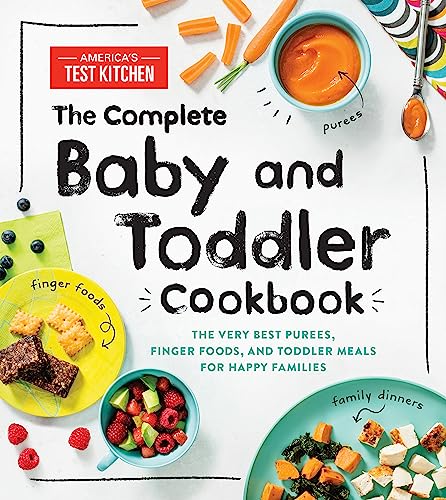
The Complete Baby and Toddler Cookbook: The Very Best Baby and Toddler Food Recipe Book (America's Test Kitchen Kids)

Brain Food for Your Baby: An Organic Baby Food Cookbook and Nutrition Guide for Gut Health (Every Age & Stage)

Nourished Beginnings Baby Food: Nutrient-Dense Recipes for Infants, Toddlers and Beyond Inspired by Ancient Wisdom and Traditional Foods

The Big Book of Organic Baby Food: Baby Purées, Finger Foods, and Toddler Meals For Every Stage (Organic Foods for Baby and Toddler)

HAPPY BABY Gentle Teething Wafers, 3 Flavor Variety Pack, 12 ct (3 Pack)
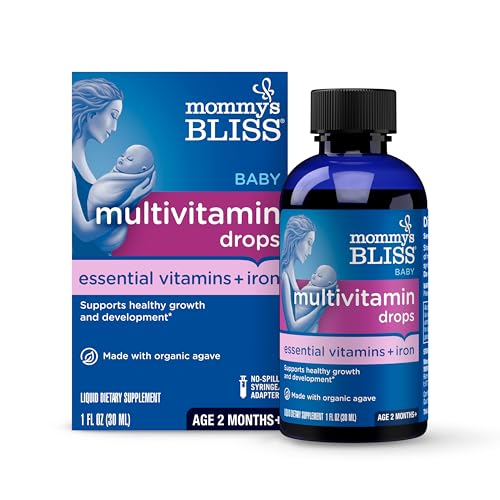
Mommy's Bliss Baby Multivitamin + Iron, Daily Essential Baby Vitamins for Immune Support, Healthy Growth & Bone Development, Age 2 Months+, 30 ml
Disclaimer
Baby product selection and parenting decisions involve personal preferences and individual circumstances. The information provided on CradleCheck is for educational and informational purposes only. We are not medical professionals, and our content should not replace professional medical advice, diagnosis, or treatment. Always consult with your pediatrician or healthcare provider regarding your baby's health and safety. Some content may use AI assistance. Always check product safety standards and recalls before purchasing. If you do not agree, please do not use this website. Read the full disclaimer.