The Ultimate Baby Bib Buying Guide
Choose the right bib to protect your baby's clothes, reduce mess, and make mealtime easier. From silicone to bandana styles, find what works best for your little one.
SHOP TOP BIB PICKS →Why the right bib matters: A good bib saves you from endless laundry, keeps your baby comfortable, and supports independent feeding. Whether you're starting solids or managing teething drool, the right bib makes all the difference.
Types of Baby Bibs
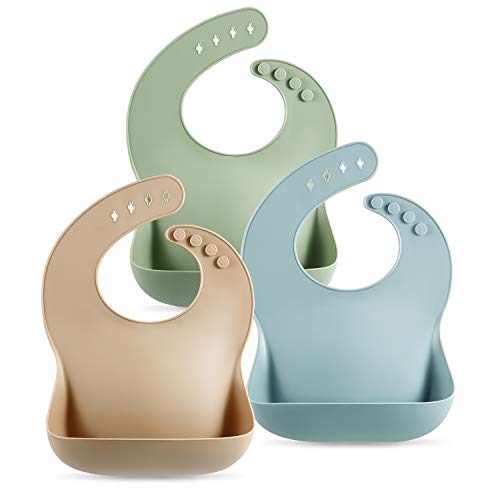
🛡️ Silicone Bibs
- Best for: Self-feeding, messy meals, baby-led weaning
- Material: Food-grade silicone, BPA-free
- Pros: Easy to wipe clean, durable, catches food in the pocket
- Cons: Can feel heavy for some babies, may not fold compactly
💰 Price range: $10–$25
🧶 Bandana & Fabric Bibs
- Best for: Teething, drooling, light feeding
- Material: Cotton, bamboo, or polyester blends
- Pros: Soft, stylish, absorbent, comfortable for all-day wear
- Cons: Need frequent washing, not waterproof
💰 Price range: $8–$20 (multi-packs available)
🧽 Waterproof Fabric Bibs
- Best for: Purees, soups, and runny meals
- Material: Cotton/polyester with waterproof backing
- Pros: Absorbent top layer, leak-proof backing, machine washable
- Cons: Less durable than silicone over time
💰 Price range: $7–$18
👕 Disposable Bibs
- Best for: Travel, eating out, or quick cleanups
- Material: Paper or lightweight waterproof material
- Pros: Convenient, no washing needed, lightweight
- Cons: Not eco-friendly, less durable, single-use
💰 Price range: $5–$12 per pack
Quick Comparison: Which Bib Is Right for You?
| Feature | Silicone | Bandana / Fabric | Waterproof Fabric | Disposable |
|---|---|---|---|---|
| Mess Protection | ★★★★★ | ★★★☆☆ | ★★★★☆ | ★★★★☆ |
| Drool Absorption | ★★☆☆☆ | ★★★★★ | ★★★★☆ | ★★☆☆☆ |
| Ease of Cleaning | ★★★★★ (wipe) | ★★☆☆☆ (wash) | ★★★☆☆ (wash) | ★★★★★ (throw) |
| Durability | ★★★★★ | ★★★☆☆ | ★★★☆☆ | ★☆☆☆☆ |
| Comfort | ★★★☆☆ | ★★★★★ | ★★★★☆ | ★★☆☆☆ |
| Best Age | 6m+ (self-feeding) | 0–24m (all stages) | 4m+ (solids) | Any age (travel) |
How to Choose the Best Baby Bib
Selecting the right bib depends on your baby's age, feeding stage, and your lifestyle. Here's what to consider:
1. Age & Development
Newborns and young babies primarily need drool bibs (bandana style) to protect from teething moisture. Once your baby starts solids (around 4–6 months), switch to silicone or waterproof bibs that catch food and liquids.
2. Feeding Style
For baby-led weaning, silicone bibs with deep pockets are essential. For spoon-fed purees, waterproof fabric bibs work great. For quick snacks, lightweight bandana bibs are perfect.
Explore our baby-led weaning tips and baby feeding guide for more mealtime advice.
3. Ease of Cleaning
If you're short on time, silicone bibs are a lifesaver – just wipe and go. Fabric bibs require regular washing, so consider buying a multi-pack. Disposable bibs are great for travel but generate waste.
4. Material Safety
Always look for BPA-free, phthalate-free, and food-grade materials. For fabric bibs, choose organic cotton or bamboo for sensitive skin. Avoid bibs with small parts or loose embellishments that could be choking hazards.
Learn more about baby safety and choking hazards to keep your little one safe.
👶 Expert Tips for Using Baby Bibs
- Rotate bibs regularly: Have at least 3–5 bibs in rotation so you always have a clean one ready.
- Check for wear and tear: Replace bibs with cracks, loose seams, or broken snaps to prevent hazards.
- Adjust the fit: A bib should be snug but not tight – you should be able to slide two fingers between the bib and your baby's neck.
- Layer for messy meals: Use a fabric bib underneath a silicone bib for extra absorption and mess control.
- Wash properly: Follow care labels – most silicone bibs are dishwasher safe, while fabric bibs should be washed with baby-safe detergent.
Why Invest in a Good Baby Bib?
Less Laundry
Protects clothing from stains and spills, reducing the number of outfit changes.
Comfort
Keeps your baby dry and comfortable during feeding, reducing irritation.
Less Mess
Catches food, liquids, and drool, making post-meal cleanup much faster.
Cost-Effective
A small investment that saves money on clothing replacement and laundry costs.
Frequently Asked Questions
How many bibs do I really need?
For newborns: 5–7 bibs for drooling. For babies eating solids: 10+ bibs including silicone and fabric types to ensure you always have a clean one ready.
Are silicone bibs safe for babies?
Yes, when made from food-grade, BPA-free silicone. Always check for safety certifications and avoid bibs with sharp edges or loose parts.
Can I use a bib for teething?
Absolutely! Bandana bibs with absorbent fabric are perfect for teething as they keep the baby's neck and chest dry from excessive drool.
How do I clean silicone bibs?
Most silicone bibs are dishwasher safe (top rack). You can also hand-wash with warm soapy water and air dry. Avoid abrasive scrubbers that can damage the surface.
Ready to Find the Perfect Baby Bib?
Whether you need a durable silicone bib for messy meals, a soft bandana bib for teething, or a waterproof fabric bib for daily feeding, the right bib makes mealtime smoother and more enjoyable for both you and your baby.
Browse our curated selection of top-rated baby bibs below. Every product is carefully chosen to meet safety standards and deliver great value. Explore the list, compare features, and find the bibs that fit your baby's needs today.