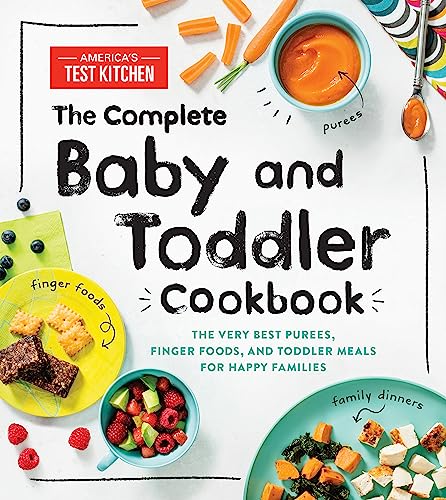
🍼 The Complete Baby Food Guide
From first purees to baby-led weaning, discover everything you need to nourish your little one with confidence.
Starting Your Baby's Food Journey
Introducing solid foods is one of the most exciting (and messy!) milestones in your baby's first year. Whether you choose to start with classic purees or dive into baby-led weaning, this guide covers the essential know-how. From knowing when your baby is ready to understanding nutritional needs, we’ll walk you through every step. You’ll also find practical advice on baby feeding equipment and baby nutrition to ensure your little one gets the best start.
Purees vs. Baby-Led Weaning (BLW)
Two main approaches dominate the baby-feeding world: traditional purees and baby-led weaning. Neither is "better" — it's about what works for your family. Many parents choose a combination of both.
🥄 Purees
Smooth, single-ingredient purees are a gentle introduction to solids. They allow you to control texture and monitor for allergies. You can gradually increase thickness and combine flavors as your baby grows. Pair with baby spoons and baby bibs for a cleaner experience.
👶 Baby-Led Weaning
BLW skips purees and offers soft, finger-sized foods from the start. It encourages self-feeding, develops motor skills, and helps babies explore textures. Essential supplies include baby-led weaning supplies and baby cups for practicing drinking.
Whichever path you choose, remember that baby development is unique to each child. Follow their cues, and don't stress about the mess — it's all part of the learning process!
First Foods & Nutritional Essentials
Start with iron-rich foods like pureed meat, poultry, or iron-fortified cereals. Single-ingredient purees (e.g., sweet potato, avocado, pear) are great for identifying allergies. Offer one new food every 3–5 days to monitor reactions.
Key Nutrients for Your Baby
- Iron: Supports brain development. Found in meats, beans, and fortified cereals.
- Zinc: Essential for growth and immunity. Found in meat, dairy, and whole grains.
- Healthy Fats: Crucial for brain growth. Avocado, olive oil, and fatty fish are excellent sources.
- Vitamin D: Supports bone health. Often supplemented, especially for breastfed babies.
For more detailed guidance on allergy prevention and introducing common allergens, check out our food allergies baby guide. And if you're considering formula, our closest thing to breast milk formula article can help you compare options.
Essential Feeding Equipment
Having the right tools makes feeding easier and more enjoyable for both of you. Here’s what you’ll need:
- Baby bibs: Silicone or fabric bibs with a catch-all pocket to contain the mess.
- Baby spoons: Soft-tipped spoons for gentle gums.
- Baby cups: Sippy cups or open cups for practicing drinking.
- Baby bottles: For expressed milk or formula, if needed.
- Baby-led weaning supplies: Including suction plates, toddler forks, and food scissors.
Don't forget a drying rack for sterilized bottles and accessories, and a good diaper caddy to keep everything organized during mealtime.
Sample Feeding Schedule (6–12 Months)
Here’s a general guide to help you plan your baby’s meals. Remember, every baby is different, so adjust based on hunger cues and pediatrician advice.
| Age | Meals & Snacks | Texture |
|---|---|---|
| 6–7 months | 1–2 meals (plus breastmilk/formula) | Smooth purees, single ingredients |
| 8–9 months | 2–3 meals, 1 snack | Mashed, lumpy, soft finger foods |
| 10–12 months | 3 meals, 2 snacks | Minced, chopped, family foods |
Common Feeding Concerns
Choking Hazards
Always supervise your baby during meals and avoid hard, round, or sticky foods. Learn the difference between gagging (a normal reflex) and choking. Read our comprehensive choking hazards guide for prevention tips.
Food Allergies
Introducing common allergens early (like peanuts and eggs) may help reduce allergy risks. Start with small amounts and watch for reactions. Our food allergies baby article has more detailed advice.
Picky Eating
It's normal for babies to reject new foods initially. Keep offering a variety of flavors and textures. Patience is key! For long-term strategies, check out our baby development resources.