Activities for a 5-Month-Old: Milestones & Play Ideas
Your 5-month-old is becoming more curious and interactive every day. Discover the best activities to support their development, strengthen your bond, and make the most of this wonderful stage.
Explore Development GuidesAt 5 months, your baby is discovering the world through their senses and emerging motor skills. Engaging in purposeful play not only entertains them but also lays the foundation for cognitive, physical, and social-emotional growth. This guide will help you choose activities that are both fun and developmentally appropriate.
What to Expect at 5 Months
At five months, many babies are rolling over, sitting with support, and reaching for objects with increasing accuracy. They are fascinated by their own hands and feet, and they love to explore textures and sounds. This is a prime time for introducing activities that encourage reaching, grasping, and cause-and-effect learning. Understanding your baby's cues is essential; if they seem overwhelmed or tired, it's time for a break. A 5-month-old's world is expanding, and your role as a guide is to provide safe, stimulating opportunities for discovery.
Key Milestones: Cognitive & Motor Skills
Between four and six months, babies typically achieve several key milestones. They may begin to roll over in both directions, push up on their arms during tummy time, and even start to sit with minimal support. All-terrain jogging strollers can be a great way to take your baby on walks that offer new visual and sensory experiences. In terms of cognitive development, they are learning about object permanence—the idea that objects continue to exist even when they can't be seen—and they love games like peek-a-boo.
Every baby develops at their own pace, but if you have any concerns, don't hesitate to consult your pediatrician. Engaging in regular, age-appropriate activities can support these milestones and provide a strong foundation for future learning. For safety during tummy time and floor play, consider using a contoured changing table pad on the floor as a soft, supportive surface.
Top Activities for Your 5-Month-Old
The key to a great activity is following your baby's lead. If they are happy and engaged, continue. If they become fussy or disinterested, switch to something else or take a break. Here are some developmentally beneficial activities to try.
1. Tummy Time with a Twist
Tummy time is crucial for strengthening neck, shoulder, and arm muscles. Make it more interesting by placing a safe, unbreakable mirror in front of your baby. They will be fascinated by their reflection, encouraging them to lift their head and push up for longer periods. You can also place a few favorite toys just out of reach to motivate them to stretch and eventually try to move forward. A portable diaper changing pad can serve as a clean, cushioned surface for tummy time while you're on the go.
2. Sensory Treasure Basket
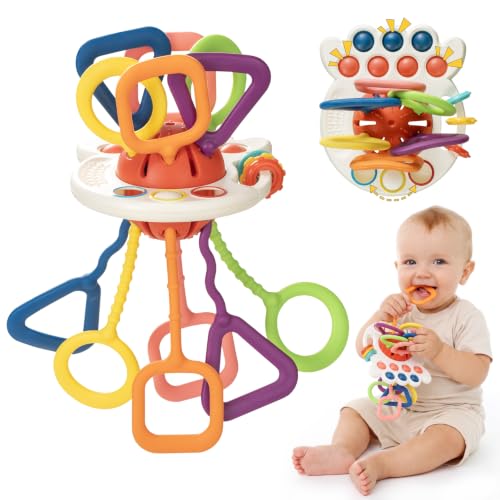
Create a small basket of safe, everyday objects with different textures, such as a wooden spoon, a soft cotton washcloth, a silicone spatula, or a crinkly fabric. Supervise your baby closely as they explore these items with their hands and mouth. This activity stimulates their senses and helps them learn about different properties of objects. Always ensure all items are too large to swallow and have no small parts that could detach.
3. Reach and Grasp Play
Hang a brightly colored toy, like a soft baby mobile, from a play gym or a low-hanging bar. Encourage your baby to reach for it. You can also hold a rattle or a soft teether just above their chest and let them try to grab it. Celebrate their successes with a big smile and enthusiastic praise. This activity develops hand-eye coordination and fine motor skills. Soft, lightweight toys that make a gentle sound are perfect for this.
4. Reading and Rhyming
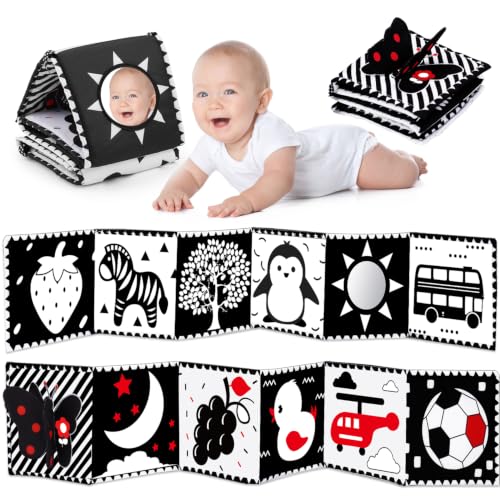
Even at 5 months, babies love the sound of your voice. Choose sturdy board books with high-contrast pictures and simple, rhythmic text. As you read, point to the pictures and use different tones of voice. This builds early literacy skills and fosters a love of books. Make it a part of your daily routine, such as before naps or bedtime. You can find wonderful baby books that are perfect for this age.
5. Music and Movement
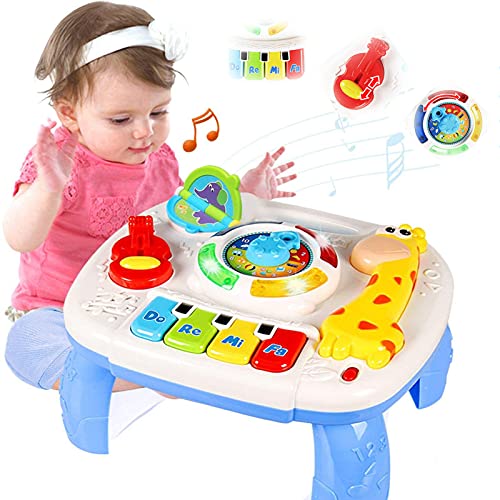
Sing songs and play music for your baby. Gently clap their hands together or bounce them on your knee to the rhythm. This supports auditory development and a sense of rhythm. You can even make your own musical instruments from household items—like a simple shaker made from a sealed container with a few beans inside. This is a fun way to introduce them to cause and effect.
💡 Safety & Engagement Tip: Always supervise your baby during play. Remove any small objects that could be a choking hazard. Watch for your baby's cues—if they turn away or cry, they might be tired or overstimulated. The best activities are those that are responsive to your baby's mood and energy level.
Why Structured Play Matters
At 5 months, every interaction is a learning opportunity. Structured play, even for just a few minutes a day, helps your baby learn how to interact with the world, build neural connections, and develop a sense of security and attachment with you. It's not about expensive toys; a simple interaction can be the most powerful tool for development. Providing a variety of experiences—visual, auditory, tactile, and social—supports holistic growth.
Gear to Enhance Your Play Sessions
While most activities require little more than your time and attention, a few key pieces of gear can make playtime more comfortable and engaging. A soft, safe play mat provides a designated space for tummy time and play. A supportive infant chair for sitting up can be a great tool for short periods of supported sitting, allowing your baby to see the world from a new perspective. When you're out and about, a travel stroller for airplane or a lightweight compact stroller can make it easier to incorporate new sights and sounds into your baby's day, turning a simple walk into a rich sensory experience.
For feeding, as your baby approaches the 6-month mark and may start showing interest in solids, consider a adjustable height high chair or a wooden adjustable high chair to have ready. Even if you're not starting solids yet, having a safe, designated spot for your baby to sit and interact with you during family mealtimes is wonderful for social development. Remember to always choose products that meet current safety standards. Your baby's safety and comfort are the top priorities during these exciting exploratory stages.
When to Introduce New Activities
As your baby reaches new milestones, you can adapt activities to keep them challenging and engaging. For example, as they begin to sit unsupported, you can introduce toys that require two-handed play. Pay attention to their interests; if they are fascinated by certain objects or sounds, incorporate them into your play sessions. Always ensure activities are safe and age-appropriate, and remember that your baby's development is a unique journey. Enjoy this special time of discovery with your little one. For ideas on preparing for future stages, you might explore finger foods for a 9-month-old to see what's ahead.