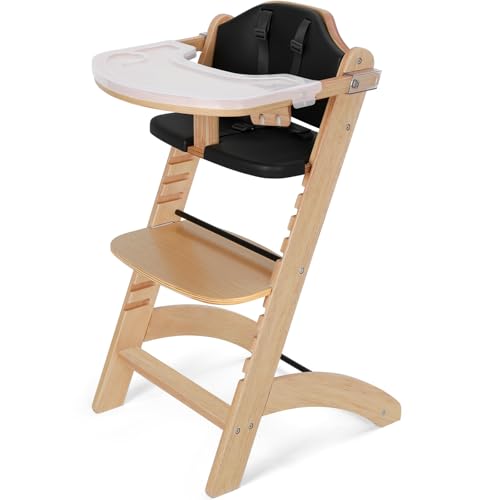
Wooden Adjustable High Chair: The Complete Buying Guide
Discover how to choose a wooden adjustable high chair that grows with your child. Learn about adjustability features, safety standards, materials, and long-term value to make a confident purchase.
START EXPLORINGWhy choose a wooden adjustable high chair? A wooden high chair offers a timeless aesthetic, durable construction, and often a grow-with-me design that outlasts plastic alternatives. When you add adjustability, you get a chair that can be tailored to your child's size at every stage—from first solids to preschool years. This guide walks you through every consideration so you can choose with confidence.
Key Benefits of a Wooden Adjustable High Chair
Parents researching this category typically already know they want the warmth and durability of wood. The adjustable element is what transforms a standard high chair into a long-term investment. Here is what makes this combination stand out:
- Growth-friendly design: Adjustable seat height, footrest, and tray depth allow the chair to fit your child from around six months through the toddler years—and often beyond, with convertible models.
- Proper ergonomics: A height-adjustable footrest supports correct posture, which is essential for safe swallowing and comfortable feeding.
- Durable and repairable: Solid wood construction resists wear and can often be sanded or refinished, extending the chair's usable life far beyond that of molded plastic.
- Timeless aesthetic: Wooden chairs blend seamlessly with home decor and can become a family heirloom piece.
- Stability: Many wooden high chairs feature wide, solid bases that reduce tipping risk when compared to lighter plastic models.
Types of Wooden Adjustable High Chairs
Understanding the main categories helps you narrow down which style suits your home and lifestyle. Most wooden adjustable high chairs fall into three broad types:
| Type | Best For | Key Features |
|---|---|---|
| Traditional Adjustable High Chair | Families who want a dedicated feeding chair with a tray | Adjustable seat height and footrest, removable tray, five-point harness, often folds for storage |
| Convertible / Grow-with-Me High Chair | Long-term use from infancy through childhood | Converts from high chair to booster to standard chair; adjustable components accommodate multiple stages |
| Hook-On / Clip-On Wooden Chair | Small spaces and travel | Attaches directly to table; portable; limited adjustability but space-efficient |
For most families seeking a wooden adjustable high chair, the traditional or convertible type offers the best balance of features, safety, and longevity. Convertible models are particularly worth considering if you want a single piece of furniture to serve your child for many years.
Adjustability Features That Matter
Not all adjustable high chairs are created equal. The range and ease of adjustment directly affect how well the chair fits your child as they grow. Here are the key adjustments to evaluate:
- Seat height: Allows the chair to sit at the right level for your dining table or kitchen counter. A chair that adjusts across a wide range can be used at different tables and with different family members.
- Footrest height and depth: A properly positioned footrest provides stability and comfort. Look for a footrest that adjusts independently of the seat so you can fine-tune the fit as your child's legs grow.
- Tray depth and position: An adjustable tray brings food closer to your child and can be removed entirely so the chair can be pulled up to the table.
- Recline: Some models offer a reclining seat for younger babies who are not yet sitting fully upright. This is especially useful for infants around six months.
- Harness adjustability: A five-point harness with adjustable straps ensures a secure fit as your child grows from small infant to active toddler.
When comparing models, prioritize the adjustments you will actually use. A chair with a highly adjustable footrest and seat height will serve your child better over time than one with a reclining feature you rarely need.
Safety Considerations for Wooden High Chairs
Safety is paramount when choosing any high chair. Wooden adjustable models must meet the same rigorous standards as their plastic counterparts. Here is what to verify:
- Five-point harness: This is non-negotiable. A five-point harness secures the shoulders, waist, and crotch, preventing your child from climbing out or sliding down.
- Crotch post or divider: This feature prevents a child from sliding forward and out of the seat, especially important for younger babies.
- Stable base: A wide footprint and solid wood construction reduce tipping risk. Avoid chairs with narrow bases or those that feel unstable when your child pushes against the table.
- Safety certification: Look for chairs that meet ASTM F404 (the standard for high chairs) or carry a JPMA certification. These indicate the product has been tested to current safety requirements.
- No finger traps: Check folding mechanisms and adjustable joints for pinch points. Well-designed wooden chairs have smooth, enclosed joints.
- Non-toxic finishes: Ensure the wood finish is food-safe and free from lead and other harmful substances, especially since toddlers often chew on chair edges.
Always register your high chair with the manufacturer so you can be notified of any recalls. Before each use, check that the harness is secure and the chair is on a level surface.
Materials and Construction Quality
The quality of the wood and the construction methods determine how long your chair will last and how safe it will be. Here is what to look for:
- Solid wood vs. veneer: Solid wood (such as beech, maple, or oak) is more durable and repairable than veneered particleboard. Solid wood resists warping and can handle the rigors of daily use.
- Joinery: Look for sturdy joinery—dovetail, mortise-and-tenon, or reinforced screw joints. Avoid chairs held together primarily by glue or thin dowels.
- Finish: A water-based, non-toxic finish is ideal. It should be smooth to the touch and easy to wipe clean. Some chairs come unfinished so you can apply your own child-safe finish.
- Weight and stability: A heavier wooden chair is generally more stable, but it may be harder to move. Consider the trade-off between portability and stability based on your needs.
For families who plan to use the chair for multiple children or want a piece that can be passed down, investing in a high-quality solid wood chair with robust joinery is a wise long-term decision.
Cleaning and Maintenance
Mealtime with a baby is messy. A wooden adjustable high chair should be designed with easy cleaning in mind. Consider these features:
- Removable tray: A tray that lifts off easily and is dishwasher-safe saves significant time and effort.
- Smooth surfaces: Wood with a sealed finish wipes clean quickly. Avoid chairs with deep grooves or intricate carvings where food can accumulate.
- Removable cushion: A machine-washable seat cushion is a major convenience, though many wooden chairs are designed to be used without a cushion.
- Minimal crevices: Look for a chair with a simple design that leaves fewer places for crumbs to hide.
To maintain the wood, wipe spills promptly and avoid soaking the chair. Periodically check screws and joints for tightness, and reapply a child-safe finish if the wood begins to look dry or worn.
Ready to Find the Perfect Wooden Adjustable High Chair?
Explore our curated selection of top-rated wooden adjustable high chairs. Compare features, read detailed descriptions, and find the right fit for your family.
VIEW RECOMMENDED MODELSBuying Checklist: What to Evaluate Before You Decide
Before making a final decision, run through this checklist to ensure the wooden adjustable high chair you choose meets all your needs:
- Adjustability range: Does the seat height, footrest, and tray adjust enough to fit your child now and as they grow?
- Safety features: Five-point harness, crotch post, stable base, and safety certification are all present.
- Material quality: Solid wood construction with sturdy joinery and a non-toxic finish.
- Cleaning ease: Removable tray, smooth surfaces, and minimal crevices.
- Space and storage: Does the chair fit your dining area? If space is tight, consider a folding model or a hook-on chair.
- Longevity: Will the chair convert to a booster or standard chair for later use?
- Assembly and instructions: Is the assembly straightforward? Are instructions clear and easy to follow?
Taking the time to evaluate these points will help you choose a chair that not only meets your child's needs today but continues to serve your family for years to come.
Related Reading
Explore more of our buying guides to complete your nursery and feeding setup: