Portable Diaper Changing Pad: Your Complete Buying Guide
Everything you need to know about choosing a portable diaper changing pad for travel, outings, and everyday convenience. Learn which features matter, how to use one safely, and what to look for before you decide.
START EXPLORINGWhy a Portable Diaper Changing Pad Matters: A portable diaper changing pad transforms any surface into a clean, safe space for your baby's diaper changes. Whether you are navigating a public restroom, visiting family, or enjoying a day at the park, this compact essential keeps your baby comfortable and protected from germs and messes. For parents who want flexibility without sacrificing hygiene, a quality portable pad is one of the most practical additions to any diaper bag.
What Is a Portable Diaper Changing Pad?
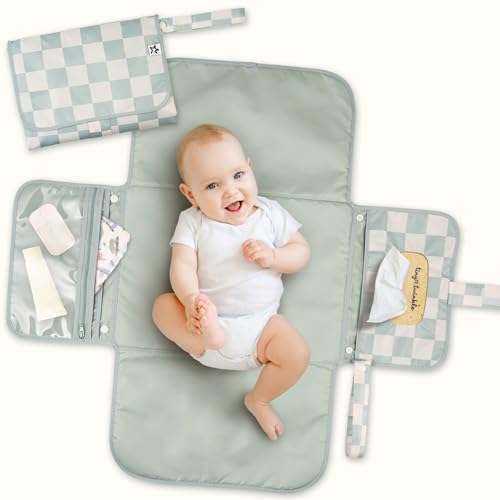
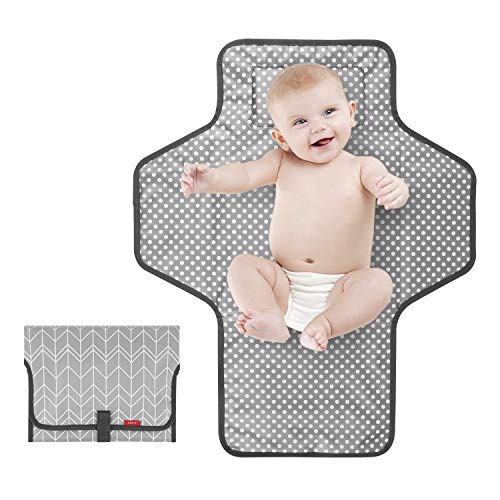
A portable diaper changing pad is a compact, foldable surface designed to give your baby a clean and cushioned place to lie down during diaper changes when you are away from home. Unlike a full-size changing table pad that stays in the nursery, a portable version folds or rolls into a small bundle that fits easily into a diaper bag, stroller basket, or even a large purse.
Most models feature a water-resistant or wipeable outer layer, a soft padded interior for comfort, and a secure fastening system such as a buckle, strap, or zipper to keep the pad folded when not in use. Many also include built-in pockets for storing a few diapers, wipes, and diaper cream, making them a self-contained changing station.
These pads are available in a range of sizes and configurations—from simple mat-style designs to full kits with detachable pouches and head supports. The right choice depends on how you plan to use it, how much you carry daily, and your baby's age and stage.
Key Features to Consider Before Buying
Not all portable changing pads are created equal. Understanding the core features helps you narrow down options that match your lifestyle and your baby's needs. Here are the most important factors to evaluate:
Water-Resistant Surface
A wipeable, water-resistant outer layer is essential for quick cleanups. Look for pads made from easy-to-clean materials such as PEVA, polyester, or treated nylon that resist spills and stains.
Padding and Comfort
Adequate cushioning keeps your baby comfortable, especially on hard surfaces like public restroom counters. Mid-range and premium pads typically offer thicker foam or layered padding for better support.
Safety Strap
A safety strap or buckle helps keep your baby secure during changes. This is particularly important for wriggly infants and toddlers who may try to roll or sit up mid-change.
Foldable and Compact Design
The pad should fold or roll into a compact shape that fits comfortably in your diaper bag. Check the folded dimensions and weight—lighter pads are easier to carry on long outings.
Storage Pockets
Built-in pockets or detachable pouches for diapers, wipes, and cream add convenience, allowing you to grab one item instead of digging through your entire bag during a change.
Ease of Cleaning
Beyond water resistance, consider whether the pad is machine washable or spot-clean only. Pads with removable covers or smooth, seamless surfaces are easier to maintain over time.
Size and Coverage
Larger pads provide more coverage on public surfaces, while smaller pads are more portable. Choose a size that balances coverage with portability based on your typical outings.
Durability and Materials
Reinforced stitching, quality zippers, and sturdy fabrics contribute to a pad that holds up to frequent use. Premium materials may offer better longevity and a softer feel against your baby's skin.
Comparing Portable Diaper Changing Pads by Tier
To help you navigate the market, we have grouped portable changing pads into three broad quality tiers. This classification focuses on construction, features, and intended use rather than any specific figure.
| Tier | Best For | Key Characteristics |
|---|---|---|
| Entry-Level | Occasional use, quick errands, backup pad for the car | Basic water-resistant surface, minimal padding, simple fold design, fewer storage options. A solid choice for parents who need a straightforward, lightweight pad. |
| Mid-Range | Daily use, regular outings, parents who want convenience | Thicker padding, integrated storage pockets, secure safety strap, durable fabrics, and a more refined folding mechanism. Well-specified for the category and a good balance of features and portability. |
| Premium | Frequent travelers, parents who prioritize comfort and longevity | High-grade materials, superior cushioning, thoughtful design details such as detachable pouches, wipe-clean interiors, and reinforced construction. A long-term investment for families who use a changing pad daily. |
Editorial Tip: If you plan to use your portable pad several times a day, a mid-range model usually offers the best balance of durability, comfort, and convenience. For occasional use or as a secondary pad, an entry-level option can serve you well. Premium pads make sense if you value premium materials and plan to use the pad for multiple children.
How to Use a Portable Diaper Changing Pad Safely
Safety should always come first during diaper changes, whether you are at home or on the go. Follow these guidelines to keep your baby secure and comfortable:
- Always keep one hand on your baby. Never leave your baby unattended on a changing pad, even for a moment.
- Use the safety strap. If your pad includes a strap or buckle, secure it snugly—but not too tight—around your baby's midsection.
- Place the pad on a stable, flat surface. Avoid using a portable pad on uneven or elevated surfaces where it could slip or tip.
- Keep supplies within reach. Arrange diapers, wipes, and cream before you begin so you do not have to turn away from your baby.
- Clean the surface after each use. Wipe down the pad with a baby-safe disinfectant or soapy cloth to prevent the spread of germs.
- Check for wear and tear. Inspect the pad regularly for rips, loose stitching, or damaged straps, and replace it if it is no longer secure.
Cleaning and Maintaining Your Portable Changing Pad
Regular cleaning keeps your portable changing pad hygienic and extends its lifespan. Most pads can be wiped down with a damp cloth and mild soap after each use. For deeper cleaning, check the manufacturer's care instructions—some pads feature removable covers that are machine washable on a gentle cycle, while others should only be spot-cleaned.
Avoid using harsh chemicals or abrasive cleaners that could damage the water-resistant coating. Allow the pad to air-dry completely before folding it to prevent mildew and odors. If your pad has storage pockets, empty them regularly and wipe the interior to keep the whole unit fresh.
Common Mistakes to Avoid When Choosing a Portable Changing Pad
Even experienced parents can overlook important details when shopping for a portable changing pad. Here are a few pitfalls to watch for:
- Choosing a pad that is too small. A pad that does not provide enough coverage may leave your baby's head or feet touching a public surface. Measure the pad's dimensions and consider how much coverage you need.
- Overlooking the closure mechanism. A weak zipper or unreliable buckle can cause the pad to unfold inside your bag. Look for sturdy closures that stay secure.
- Ignoring the weight. A heavily padded pad may be comfortable but could weigh down your diaper bag. Balance comfort with portability based on your daily routine.
- Skipping the safety strap. Pads without a strap are less secure for active babies. If your baby is mobile, prioritize a model with a reliable safety strap.
- Not checking the material. Some babies have sensitive skin and may react to certain fabrics or coatings. Choose pads made from baby-safe, non-toxic materials.
Related Guides for On-the-Go Parents
If you are building a diaper bag or preparing for travel with your baby, these related guides can help you complete your setup:
Frequently Asked Questions
What should I look for in a portable diaper changing pad?
Focus on a water-resistant surface, adequate padding, a secure safety strap, easy-clean materials, and a compact foldable design. Consider whether you want built-in storage pockets for diapers and wipes—these add convenience during outings.
Are portable diaper changing pads safe for newborns?
Yes, when used correctly. Always keep one hand on your baby during changes, use the safety strap when available, and never leave your baby unattended. Place the pad on a stable, flat surface and keep all supplies within arm's reach.
How do I clean a portable diaper changing pad?
Most pads have wipeable, water-resistant surfaces that can be cleaned with baby wipes or a mild soap solution after each use. For deeper cleaning, check the manufacturer's instructions—some pads are machine washable on a gentle cycle, while others are spot-clean only.
Can I use a portable changing pad at home?
Absolutely. Many parents keep a portable pad in the nursery or use it as a backup surface on beds, sofas, and other areas. It is a versatile option that works well both at home and on the go.
How long does a portable diaper changing pad last?
With proper care, a quality portable changing pad can last through multiple children. Durability depends on the materials, frequency of use, and how well you maintain the pad. Premium and mid-range models with reinforced construction typically offer the longest lifespan.