Infant Chairs for Sitting Up: A Complete Buying Guide
Everything you need to know about choosing a safe, supportive floor seat for your baby's sitting journey — from key features and safety standards to room-by-room tips and developmental guidance.
EXPLORE RECOMMENDED SEATSWhy this guide matters: A well-chosen infant sitting chair gives your baby a secure vantage point for play and exploration while freeing your hands for nearby tasks. But not all seats are created equal. This guide walks you through support types, safety must-haves, and how to match a seat to your baby's developmental stage — so you can make a confident, informed choice.
What Is an Infant Chair for Sitting Up?
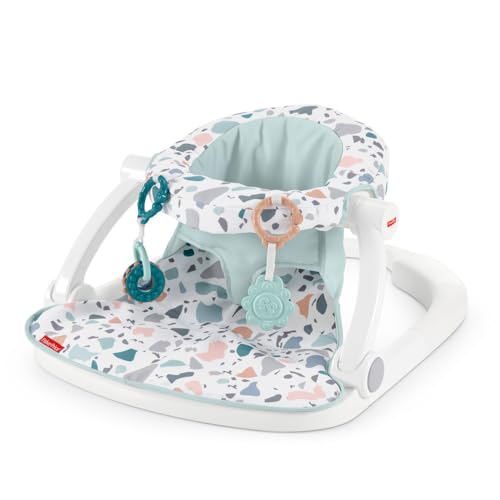
An infant chair for sitting up — often called a floor seat, sitting support seat, or baby activity seat — is a low-profile, floor-level chair designed to help babies who are not yet able to sit independently maintain an upright position. These seats typically feature a firm backrest, a padded seat base, and a crotch post or harness that prevents sliding forward. Unlike bouncers or swings, floor seats place your baby directly at floor level, encouraging interaction with toys, siblings, and the surrounding environment.
These chairs are best understood as a developmental aid, not a container. They give babies a supported posture from which to observe and play, but they should never replace free floor time, tummy time, or independent sitting practice. For families navigating the broader landscape of baby gear, our infant bouncer guide explains how bouncers differ from floor seats and when each is most useful.
When Is Your Baby Ready to Sit Up?
Most babies begin using a supported sitting chair between four and six months, once they have developed adequate head and neck control. Before that milestone, a floor seat can place undue strain on the spine and hips. Watch for these readiness signs:
- Steady head control when held upright
- Ability to bear some weight on the legs when supported
- Interest in looking around and reaching for toys while upright
- Minimal head bobbing or slumping when propped
If you are unsure whether your baby is ready, speak with your pediatrician. Every baby develops at their own pace, and some may benefit from additional core-strengthening activities — such as supervised tummy time and play on a large padded play mat — before transitioning to a sitting chair.
Types of Infant Sitting Chairs
The market offers several distinct seat styles, each suited to different needs and routines. Understanding the differences helps you choose the right fit for your home and your baby's temperament.
| Seat Type | Best For | Key Features |
|---|---|---|
| Classic Floor Seat | Everyday play and feeding support | Firm backrest, crotch post, wide base, easy-wipe surface |
| Activity Floor Seat | Engaging play with built-in toys | Toy tray or attached play arch, adjustable recline |
| Multi-Stage Seat | Long-term use through toddlerhood | Convertible modes, removable tray, adjustable support |
| Inflatable Travel Seat | Travel and compact storage | Lightweight, deflatable, portable carry design |
Entry-level models typically offer a basic molded seat and simple harness, while mid-range and premium options add adjustable support, removable trays, and more substantial padding. For families who plan to use a seat across multiple stages — from first sitting to self-feeding — a multi-stage model often proves the more versatile long-term investment.
Safety Features That Matter Most
Safety should drive every decision when choosing a sitting chair. Prioritize these features:
- Wide, stable base: A broad footprint resists tipping when your baby shifts weight or reaches for toys.
- Secure crotch post or harness: Prevents your baby from sliding forward or climbing out.
- Firm backrest: Supports the spine without allowing excessive slouching.
- Non-slip feet: Keeps the seat in place on hard floors and low-pile rugs.
- Easy-to-clean, food-safe materials: Important if you plan to use the seat during snack or meal times.
- Compliance with safety standards: Check for labeling that confirms the seat meets applicable juvenile product safety requirements.
Always use a sitting chair on a flat, stable surface and never place it on elevated furniture, countertops, or soft bedding. Supervision is essential at all times. For a broader look at keeping your baby secure during daily routines, our guide to infant changing pads covers similar safety principles for another essential station in the nursery.
How to Choose the Right Seat for Your Baby
With so many options available, narrow your selection by answering a few practical questions:
1. How will you use the seat? If it is primarily for play, an activity seat with a toy tray adds engagement. If you plan to use it at meal times, a seat with a removable, dishwasher-safe tray simplifies cleanup.
2. How much space do you have? Compact and inflatable designs suit smaller homes and travel, while full-size multi-stage seats require more floor space but offer longer use.
3. How adjustable is the support? Growing babies benefit from seats with adjustable back or side support that can be tailored as their posture strengthens.
4. How easy is cleaning? Look for wipeable surfaces, removable covers, and crevice-free designs that resist crumbs and spills.
For parents building out a full play and rest area, it helps to think of the sitting chair as part of a broader setup. Pair it with a infant play yard for safe, contained play and a bouncer jumper for variety in positioning and movement.
Room-by-Room Placement Tips
Living room: Place the seat on a low-pile rug or hard floor near where you spend most of your day. Keep it away from stairs, fireplaces, and furniture edges that a reaching baby could grab.
Kitchen: A seat with a tray can serve as a transitional feeding station before your baby moves to a high chair. Position it on a stable floor surface, away from hot appliances and dangling cords.
Nursery: Use the seat for short, supervised play sessions while you fold laundry or organize the changing area. Keep it clear of soft bedding, pillows, and blankets — these pose suffocation risks for seated infants.
Travel: An inflatable or compact seat packs easily for visits to grandparents or trips. Always inspect the seat for stability on unfamiliar floors before placing your baby inside.
Care and Maintenance
Regular cleaning keeps your sitting chair hygienic and extends its useful life. Wipe the seat surface after each use with a mild, baby-safe cleaner. Remove and wash fabric covers according to the manufacturer's instructions. Check harness straps, buckles, and the base for wear or loosening every few weeks, and discontinue use if any component becomes damaged. Store the seat indoors, away from direct sunlight, to prevent material degradation.
Frequently Asked Questions
At what age can a baby use an infant sitting chair?
Most infants can begin using a floor sitting chair once they have adequate head and neck control, typically between four and six months. Always follow the manufacturer's age and weight guidelines and consult your pediatrician if you are unsure about your baby's readiness.
How long should a baby sit in a floor seat each day?
Short sessions of fifteen to twenty minutes are generally recommended for young infants. These seats are designed for supervised, active play rather than prolonged containment, so rotate between floor time, tummy time, and other positions to support healthy development.
Are infant sitting chairs safe for sleep?
No. Infant sitting chairs are not designed or approved for sleep. Babies should always sleep on a firm, flat surface such as a crib or bassinet to reduce the risk of breathing obstruction. Never leave a baby unattended in a sitting chair.
What should I look for in an infant chair for sitting up?
Prioritize a wide, stable base, a firm backrest, a secure crotch post or harness, and easy-to-clean materials. Adjustable support and a removable tray add versatility as your baby grows.
Ready to compare options? Browse our curated selection of infant sitting chairs below, each chosen for stability, support, and ease of use. Every pick is backed by our editorial review process so you can shop with confidence.
VIEW RECOMMENDED SEATS