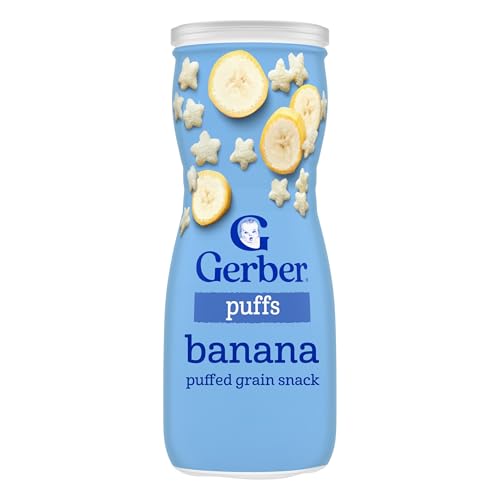
Finger Food for 9-Month-Old: Safe, Nutritious & Delicious Ideas
Help your little one explore new tastes, textures, and develop fine motor skills with these expert-approved finger foods. Perfect for baby-led weaning or transitioning to solids.
Explore Foods →At 9 months, your baby is likely ready to explore a wider variety of textures and flavors. Finger foods are a fantastic way to encourage self-feeding, develop the pincer grasp, and build confidence at mealtime. This guide covers everything you need to know—from safe food sizes and textures to nutritious options that support growth. Whether you're following baby-led weaning or transitioning to table foods, these ideas will make mealtime fun and safe.
🔒 Finger Food Safety Essentials
Before you start, keep these safety rules in mind. Always supervise your baby during meals and know the difference between gagging (normal) and choking (emergency).
Size & Shape
Cut foods into finger-length strips (about the size of your adult pinky) or small, pea-sized pieces. Avoid round, coin-shaped foods that can block the airway.
Texture Matters
Foods should be soft, squishable between your fingers. Cook vegetables until tender, and choose ripe fruits. Avoid hard, raw, or sticky foods like nuts, popcorn, or whole grapes.
Watch for Allergies
Introduce common allergens (eggs, peanuts, dairy, wheat) one at a time. Wait 3–5 days before introducing another new food to spot any reactions. Have baby-safe antihistamine on hand if advised by your pediatrician.
Supervision & Positioning
Always seat your baby in a high chair or booster seat at a 90-degree angle. Stay close and watch for signs of distress. Never leave them alone while eating.
🍎 Best Finger Foods for 9-Month-Olds
Offer a variety of textures and flavors. Here are some excellent choices, grouped by food group.
🥑 Fruits (soft & ripe)
- Avocado sliced into thick strips
- Banana cut into thirds lengthwise
- Steamed pear or apple peeled, cored, and cut into wedges
- Peach or nectarine ripe, pitted, and sliced
- Blueberries flattened slightly with a fork
🥦 Vegetables (cooked until tender)
- Broccoli florets steamed until soft, stem removed
- Carrot sticks boiled or roasted until fork-tender
- Sweet potato fries baked until soft
- Zucchini spears sautéed or steamed
- Butternut squash cubed and roasted
🍳 Protein & Grains
- Scrambled eggs soft and fluffy, cut into small pieces
- Shredded chicken cooked, soft, and pulled apart
- Soft tofu cubed or sliced
- Cooked pasta penne or fusilli, easy to grab
- Mini pancakes made with mashed banana and oats
- Toast strips whole-grain bread, lightly toasted, with a spread
🧀 Dairy & Alternatives
- Cheese sticks part-skim mozzarella, cut into strips
- Yogurt drops freeze small dollops of plain Greek yogurt
- Cottage cheese small curds, mixed with fruit
For more structured mealtime, check out our food ideas for special occasions or learn about breast milk boosting foods for nursing moms.
📅 Sample One-Day Meal Plan
Here's a balanced day of finger foods for your 9-month-old. Adjust portions based on your baby's appetite.
| Meal | Food Ideas | Notes |
|---|---|---|
| Breakfast | Toast strips with avocado, soft scrambled eggs, and sliced banana | Offer water in an open cup |
| Lunch | Steamed broccoli florets, shredded chicken, and cooked pasta spirals | Cut pasta into bite-sized pieces |
| Snack | Yogurt drops or pear wedges | Freeze yogurt drops ahead of time |
| Dinner | Sweet potato fries, soft tofu cubes, and steamed green beans (halved) | Season with mild herbs (no salt) |
Need more inspiration? Browse our activity ideas for developmental play, or learn about feeding cues that apply to older babies too.
🥗 Nutrition & Developmental Benefits
Iron & Zinc
At 9 months, iron stores from birth are depleting. Include iron-rich foods like poultry, eggs, and fortified cereals. Pair with vitamin C (e.g., fruit) for better absorption.
Healthy Fats
Brain development relies on healthy fats. Avocado, full-fat yogurt, and cooked fish (deboned) provide essential fatty acids. Offer these daily.
Fine Motor Skills
Picking up small pieces refines the pincer grasp. This is crucial for self-feeding and later skills like writing. Encourage self-feeding even if it's messy!
Oral Motor Development
Chewing and manipulating different textures strengthens jaw muscles and supports speech development. Variety is key—offer soft, crunchy, and chewy (safe) textures.
📌 Remember: Every baby develops at their own pace. If your baby isn't ready for finger foods, continue with purees and offer soft, mashed foods. Consult your pediatrician if you have concerns. For more on baby safety, read our guide on car seat safety and teething safety.
❓ Frequently Asked Questions
Q: How do I know if my baby is ready for finger foods?
Signs include: sitting up independently, good head control, reaching for food, and bringing objects to mouth. Most babies are ready around 8–10 months.
Q: What should I do if my baby gags?
Stay calm. Gagging is a reflex that pushes food forward. Let them work it out. If they turn blue or can't breathe, start infant CPR and call 911.
Q: Can I offer seasonings?
Yes! Use mild herbs like cinnamon, oregano, or garlic powder. Avoid salt, sugar, and spicy chili.
Q: How much should my 9-month-old eat?
Follow their cues. Offer 2–3 meals and 1–2 snacks daily. Portions vary; let them lead the way.
For more parenting tips, check out our gift guides and month-by-month activities.
Ready to Start Your Baby's Finger Food Journey?
Equip your kitchen with the best tools for safe and easy feeding. Browse our recommended products below.
Shop Feeding Essentials →