All Terrain Jogging Stroller: The Complete Guide for Active Parents
Everything you need to know about choosing a jogging stroller built for trails, gravel paths, and neighborhood runs — from suspension and wheel types to safety harnesses and fold mechanisms.
Why this guide matters: An all terrain jogging stroller is a serious piece of active-family equipment. It has to roll smoothly over roots and rocks, keep your child secure at running speeds, and survive years of outdoor use. This guide breaks down the features that actually matter so you can walk into a purchase decision with clear, confident criteria.
What Exactly Is an All Terrain Jogging Stroller?
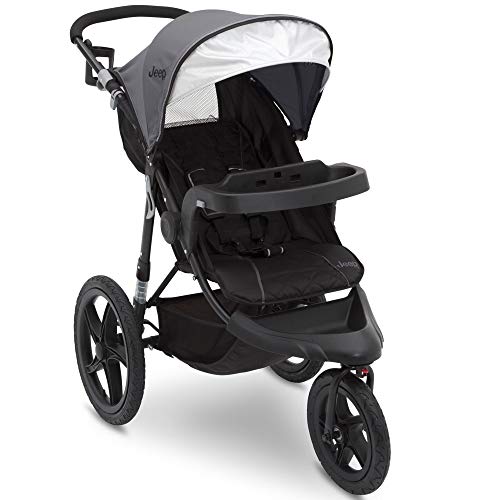
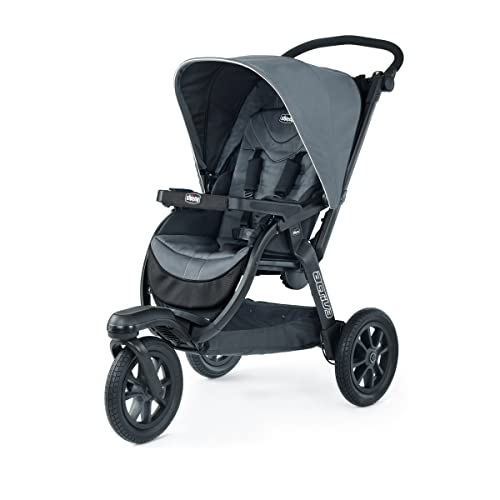
An all terrain jogging stroller is a three-wheeled pushchair engineered for running and off-pavement use. Unlike a standard daily stroller, it pairs oversized tires — usually air-filled or foam-filled — with a suspension system and a fixed or lockable front wheel. Those three components work together to absorb impact, keep tracking straight at speed, and prevent the front end from veering on uneven ground.
It is worth understanding where this category sits relative to general-purpose strollers. If you are still mapping out your full gear list, our broader baby gear buying guides and the baby stroller overview are useful companions to this page. A dedicated jogging stroller is a specialist tool, not a one-stroller replacement for every errand — though many families pair it with a compact everyday model.
The Features That Define a Quality Jogging Stroller
Before comparing specific models, it helps to know which components separate a genuine running stroller from a marketing label. Below are the core features to evaluate.
Wheel Type and Size
Large air-filled tires (often 16 to 20 inches) roll over gravel, grass, and dirt far more smoothly than small solid wheels. Foam-filled tires never go flat but transmit more vibration. Air-filled tires offer the plushest ride but require periodic pressure checks.
Suspension System
Rear suspension absorbs the bounce from running strides and rough ground. Entry-level models may use a basic spring system, while mid-range and premium strollers offer adjustable or independent suspension for a noticeably calmer ride.
Front Wheel Lock
A fixed front wheel keeps the stroller tracking straight during a run. A lockable swivel wheel gives you maneuverability in tight spaces and can be locked forward for jogging. This dual-mode design is one of the most practical features in the category.
Safety Tether and Brake
A wrist tether is non-negotiable for running — it keeps the stroller attached to you if you lose your grip. A hand brake or reliable foot brake adds control on downhill sections. Check that the harness is a five-point system with adjustable straps.
Frame and Build Quality
Aircraft-grade aluminum frames are common in premium models because they balance low weight with rigidity. Heavy-duty steel appears in some commercial-grade designs. Look for reinforced joints and a weather-resistant coating if you plan to run in varied conditions.
Folding Mechanism
One-hand or two-step folds make a big difference when you are loading the stroller into a vehicle after a run. Some models fold with the wheels attached, while others require quick-release removal. Consider your vehicle's cargo space before committing.
Comparing Tiers: Entry-Level, Mid-Range, and Premium Jogging Strollers
Jogging strollers fall into broadly recognizable tiers based on materials, suspension sophistication, and included accessories. This table uses relative tier descriptors rather than absolute figures so it stays relevant regardless of when you read it.
| Tier | Best For | Typical Characteristics |
|---|---|---|
| Entry-Level | Occasional joggers and walkers | Basic spring suspension, foam-filled tires, simple fold, fixed front wheel. Solid choice for light trail use and neighborhood paths. |
| Mid-Range | Regular runners and mixed-terrain families | Lockable swivel front wheel, adjustable rear suspension, air-filled tires, one-hand fold, hand brake. Feature-rich for its class and a strong balance of capability and durability. |
| Premium | Dedicated runners and trail enthusiasts | Independent suspension, large air-filled tires, aircraft-grade aluminum frame, premium fabrics, built-in tether and hand brake, travel-system compatibility. A long-term investment for high-mileage use. |
| Flagship / Professional-Grade | Marathon training and rugged trail running | Advanced multi-point suspension, reinforced frame, commercial-grade fabrics, precision tracking, and often a full accessory ecosystem. Heavy-duty construction for the most demanding routes. |
As a rule of thumb, moving up a tier typically buys you smoother suspension, lighter and stiffer frame materials, and better tracking at speed. If you run several times a week, the mid-range and premium tiers tend to offer better long-term satisfaction. If you jog occasionally and mostly stick to paved paths, an entry-level model can be a sensible starting point.
Safety Considerations Before You Run
A jogging stroller is only as safe as its setup and use. Review these points before your first run:
- Age and head control: Wait until your child can hold their head up independently — typically six to eight months — before jogging. For walking use from birth, check whether the stroller accepts a compatible infant car seat or bassinet.
- Five-point harness: Confirm the harness fits snugly across the shoulders, chest, and hips. A loose harness is a serious risk at running speeds.
- Wrist tether: Always loop the tether around your wrist. It is the single most important safety habit for jogging parents.
- Brake check: Test the hand brake and parking brake before every outing, especially on hilly routes.
- Tire pressure: If your stroller uses air-filled tires, check pressure before each run. Under-inflated tires affect tracking and braking.
- Weather and visibility: Use a rain cover in wet conditions and reflective elements or lights for early-morning or evening runs.
If you are also planning travel with your little one, our guide to best travel gear covers how to pair a jogging stroller with portable options for trips. And for long car journeys to trailheads, the comfortable car seats for long trips article is a useful cross-reference.
A Practical Buying Checklist
Use this checklist to narrow your shortlist. It is organized by what you should confirm before committing to a model.
- Terrain match: Paved paths, gravel trails, or rugged single-track? Match tire type and suspension to your most common route.
- Running frequency: Occasional joggers can prioritize fold convenience; frequent runners should prioritize suspension and tracking.
- Front wheel mode: Confirm whether the front wheel is fixed, lockable swivel, or swivel-only. Lockable swivel is the most versatile.
- Fold and storage: Measure your vehicle's cargo area and test the fold mechanism if possible.
- Harness and tether: Check for a five-point harness and an included wrist tether — not an optional add-on.
- Brake system: A hand brake is strongly preferred for hilly routes.
- Accessory compatibility: If you plan to use an infant car seat or bassinet, confirm compatibility with the stroller frame.
- Build and warranty: Look for a reinforced frame, weather-resistant coating, and a warranty that covers the frame.
Keeping Your Jogging Stroller in Shape
A jogging stroller lives outdoors more than a standard stroller, so maintenance matters. Check tire pressure before each run if you use air-filled tires, inspect the brake and tether for wear, and wipe down the frame after muddy outings. Store the stroller dry to prevent rust, lubricate moving joints periodically, and check the harness and fabric for fraying. A well-maintained stroller tracks better, brakes more reliably, and lasts longer — which makes it a more efficient long-term investment.
If you are building out your nursery and home gear at the same time, our storage solutions and toy storage organizer with bookshelf guides help you keep the entryway and garage organized around a larger stroller footprint.
Frequently Asked Questions
Ready to Compare Models?
Explore our curated selection of all terrain jogging strollers below. Each listing is organized by tier and feature set so you can match a stroller to your running routine and terrain.
Compare Features