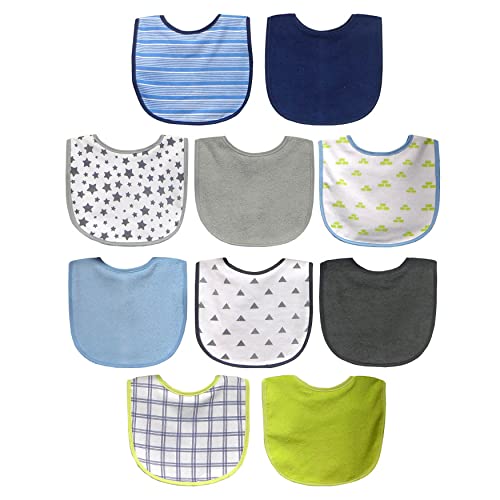
Dribble Bibs with Waterproof Backing: The Complete Guide
Keep your baby dry, comfortable, and rash-free during heavy drooling and teething. Learn how waterproof-backed dribble bibs work and what to check before you buy.
Explore the Buying GuideQuick Summary: Dribble bibs with waterproof backing combine an absorbent front layer with a moisture-blocking rear layer. This two-layer design keeps drool from soaking through to your baby's onesie, reducing the need for frequent outfit changes and helping prevent skin irritation around the neck and chest. This guide covers materials, closures, fit, care, and the features that matter most when choosing.
What Are Dribble Bibs with Waterproof Backing?
A dribble bib is a small, snuggly fitting bib worn around the neck to absorb saliva and drool. Unlike large mealtime feeding bibs, dribble bibs are designed for everyday wear during teething, developmental drooling, and general infant moisture. They are usually made from soft, absorbent fabrics such as cotton, bamboo, or fleece on the front.
The waterproof backing is the distinguishing feature. This rear layer—typically made from a thin, flexible waterproof membrane or a coated fabric—acts as a barrier. When a baby produces a heavy flow of drool, the front fabric absorbs the moisture, and the waterproof layer stops it from passing through to the clothing underneath.
This design is especially useful during peak teething periods when drool can be constant. Parents who use dribble bibs with waterproof backing often report fewer damp outfits and less skin irritation around the neck and upper chest. The bibs also protect delicate clothing from stains and repeated washing.
Why Waterproof Backing Matters
Without a waterproof layer, a regular absorbent bib can eventually saturate and pass moisture through to the clothing below. Once the fabric is fully wet, it stops protecting the skin and clothes, and the damp bib itself can feel uncomfortable against the baby's neck.
A waterproof backing changes that dynamic in three important ways:
- Keeps clothing dry: The barrier layer prevents drool from soaking through to onesies, shirts, and sleepers, reducing outfit changes during the day.
- Helps protect skin: By keeping the area around the neck and chest drier, waterproof-backed bibs may help reduce the risk of moisture-related irritation and dribble rash.
- Extends wear time: Because the bib itself does not immediately transfer moisture to the clothes, you can often use the same bib longer before changing it—though frequent changes are still recommended for hygiene.
For parents dealing with heavy teething drool, a waterproof backing is one of the most practical features to look for. It turns a simple absorbent bib into a more effective protective layer.
Key Features to Look For
Absorbent Front Fabric
Look for soft cotton, bamboo, or fleece. These materials wick moisture away from the skin and feel gentle on a baby's neck. Bamboo and fleece tend to offer higher absorbency for heavy droolers.
Waterproof Rear Layer
The backing should be flexible and breathable enough to avoid trapping heat. A thin, soft membrane or coated fabric works well and keeps the bib comfortable for extended wear.
Snap or Hook-and-Loop Closure
Snaps are durable and secure. Hook-and-loop closures are quick and easy to adjust but can snag other fabrics over time. Choose based on your preference for convenience versus longevity.
Adjustable Fit
Multiple closure positions allow the bib to fit snugly as your baby grows. A proper fit keeps the bib in place and prevents it from shifting or feeling too tight.
Soft Neck Edging
Binding or edging around the neck should be smooth and gentle. This reduces friction and helps prevent discomfort or marks on sensitive skin.
Easy Care Instructions
Machine washable bibs with simple care requirements are practical for daily use. Check whether the waterproof layer tolerates tumble drying or requires air drying.
Comparing Dribble Bib Tiers
The table below groups dribble bibs by market positioning. Use it to understand how features and construction typically differ across tiers.
| Tier | Typical Construction | Best For | Considerations |
|---|---|---|---|
| Entry-Level | Single-layer cotton front with a basic waterproof coating; simple snap closure; limited patterns. | Parents testing whether dribble bibs suit their baby, or occasional light drool. | May have stiffer backing or fewer size adjustments; inspect seams and closure durability. |
| Mid-Range | Bamboo or cotton-blend front, soft flexible waterproof membrane, multiple snap positions, broader design selection. | Everyday use during teething and moderate to heavy drool. | A balanced choice for most families; check for breathable backing and smooth neck edging. |
| Premium | High-absorbency fleece or layered fabric, advanced breathable waterproof backing, reinforced stitching, adjustable closures, designer prints. | Heavy droolers, extended daily wear, parents prioritizing comfort and longevity. | Higher investment; verify care instructions as premium fabrics may need gentler washing. |
| Luxury / Boutique | Organic or specialty fabrics, artisanal construction, premium finishes, curated designs, and often small-batch production. | Gifting, style-conscious parents, or families seeking distinctive designs. | Feature-rich for its class; evaluate whether the materials and construction align with your priorities. |
Buying Guide: How to Choose
Before choosing a dribble bib with waterproof backing, walk through the following considerations. They help you match the bib's design to your baby's drool level, skin sensitivity, and your daily routine.
- Match absorbency to drool level: Light droolers do well with cotton-front bibs. Heavy teething drool often calls for bamboo, fleece, or multi-layer fronts paired with a reliable waterproof backing.
- Check the backing's flexibility: A waterproof layer that is too stiff can bunch up or feel uncomfortable. Flexible, soft membranes are preferable for all-day wear.
- Choose a closure that fits your routine: Snaps offer durability and a secure hold. Hook-and-loop is faster and easier to adjust, which can matter during quick changes.
- Prioritize a snug, adjustable neckline: A bib that gapes lets drool run underneath, while one that is too tight causes discomfort. Adjustable closures with several positions help you find the right fit as your baby grows.
- Inspect neck edging: Smooth binding reduces friction against sensitive skin. Avoid rough seams or scratchy tags near the neck.
- Review care requirements: Daily-use bibs should be easy to wash. Confirm whether the waterproof layer tolerates machine washing and drying, and follow the care label to maintain performance.
- Plan your rotation: Five to seven bibs is a practical starting point for heavy drool periods. Keep a few extras in the diaper bag, at daycare, or with caregivers.
If you are also setting up a feeding and care station, the waterproof diaper changing pad follows a similar moisture-barrier logic and pairs well with a well-organized diaper bag such as a backpack diaper bag with insulated bottle holder. For teething-specific relief, browse options like teething rings for infants to complement your dribble bib rotation.
Care and Safety Tips
Proper care keeps the waterproof backing effective and the front fabric absorbent. Safety considerations are just as important, especially for sleep and unsupervised wear.
- Wash regularly: Change the bib whenever it feels damp or soiled. Machine wash on a gentle cycle with mild detergent; avoid fabric softener, which can reduce absorbency.
- Follow drying guidance: Some waterproof layers are heat-sensitive. Air drying or low tumble drying is often safest; check the care label for specifics.
- Remove before sleep: For safe sleep, bibs should generally be removed before naps and overnight sleep, in line with safe sleep guidelines that keep the sleep area free of loose items.
- Check closures and seams: Periodically inspect snaps, hook-and-loop, and stitching for wear. Replace bibs that show fraying or loose parts.
- Watch for skin irritation: If you notice persistent redness around the neck, consult your pediatrician and review fit and fabric choices.
For related infant comfort items, consider a crib rail cover for teething to protect furniture, or browse organic baby clothes for sensitive skin. If you are preparing a hospital or diaper bag, a snowbib can be useful for colder outings.
Frequently Asked Questions
What is the difference between a dribble bib and a regular bib?
A dribble bib is designed primarily for drool and teething moisture, typically with a snug neck fit and an absorbent front layer. A regular feeding bib is usually larger, made for mealtime spills, and often has a catch pocket. Dribble bibs with waterproof backing add a barrier layer so moisture does not soak through to clothing.
Why is waterproof backing important in a dribble bib?
The waterproof backing acts as a barrier between the absorbent fabric and your baby's clothes. Without it, heavy drool can pass through the front fabric and dampen the onesie or shirt underneath. A waterproof layer keeps the moisture contained within the bib.
How many dribble bibs does a baby need?
Most parents find that a rotation of five to seven dribble bibs works well during heavy teething periods. This allows for frequent changes while some bibs are in the laundry. Having a few extra in a diaper bag or at a caregiver's home is also practical.
Are dribble bibs safe for sleeping?
Dribble bibs should generally be removed before sleep, especially for unsupervised naps and overnight sleep. The safest approach is to follow safe sleep guidelines, which recommend keeping the sleep area free of loose items. Always consult your pediatrician for specific guidance.
How should dribble bibs with waterproof backing be washed?
Most waterproof-backed dribble bibs can be machine washed on a gentle cycle with mild detergent. Avoid fabric softeners, which can reduce absorbency, and skip the dryer if the waterproof layer is heat-sensitive. Air drying or tumble drying on low is usually recommended. Always check the care label.
What neck closure is best for a dribble bib?
Snap closures are durable and secure, making them a popular choice. Hook-and-loop closures are easy to adjust and quick to fasten but can snag other fabrics over time. Both work well depending on your preference for convenience or longevity.
Ready to Choose the Right Dribble Bib?
Use the buying guide above to compare absorbency, waterproof backing, closures, and fit. A well-chosen dribble bib keeps your baby drier and more comfortable through teething and everyday drool.
See Recommended OptionsRelated Guides
Explore more infant care and nursery essentials to complete your setup: