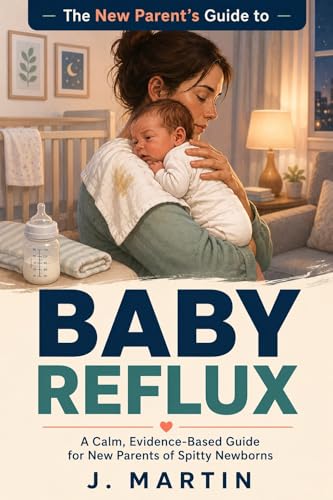
Newborn Crying After Feeding: Causes & Solutions
It can be heartbreaking to see your baby cry after a feeding. Let’s explore the common reasons and gentle, effective ways to bring comfort to your little one.
📖 On This Page
Why Is My Newborn Crying After Feeding?
Newborn crying after feeding is one of the most common concerns new parents face. While it can be distressing, understanding the root cause is the first step toward relief. The crying is often a sign that your baby is experiencing discomfort, not that you are doing something wrong. Let’s break down the most frequent culprits.
From digestive immaturity to feeding pace, several factors can trigger post-feeding fussiness. The good news is that most of these issues are manageable with simple adjustments.
Gas & Burping: The Number One Culprit
Gas trapped in your baby’s tiny tummy is a leading cause of crying after feeding. Babies swallow air during feeding, whether from a breast or bottle. If that air isn’t released, it can cause painful bloating and pressure.
To help, try these effective burping techniques:
- Over the shoulder: Hold your baby upright against your chest, with their chin resting on your shoulder. Gently pat or rub their back.
- Sitting up: Sit your baby on your lap, supporting their chest and head with one hand. Lean them slightly forward and pat their back.
- Lying across your lap: Place your baby tummy-down across your knees, supporting their head. Gently rub or pat their back.
If your baby seems particularly gassy, consider using an infant chair for sitting up after feeding to keep them upright, which helps gas naturally rise. Additionally, choosing the right bottle cleaning method can reduce excess air bubbles during feeding.
Reflux & Spit-Up: When It’s More Than Gas
Infant reflux, also known as gastroesophageal reflux (GER), is common in newborns because the muscle at the top of their stomach is still developing. This can cause stomach contents to flow back up the esophagus, leading to discomfort, crying, and frequent spit-up.
While many babies have "happy spitters" (spitting up without distress), some experience pain, arching their backs, and crying after feeding. If this sounds familiar, try these tips:
- Keep your baby upright for 20–30 minutes after each feed.
- Avoid overfeeding and offer smaller, more frequent meals.
- Consider a bedside bassinet with a slight incline (always check safety guidelines) to help reduce nighttime reflux.
In rare cases, reflux can be severe. Look for signs like poor weight gain, forceful vomiting, or blood in the stool. Always consult your pediatrician if you’re concerned.
Overfeeding: Too Much of a Good Thing
It’s easy to misinterpret a baby’s cries as hunger, especially when they are so young. But sometimes, crying after feeding means they’ve simply had too much. Their stomachs are tiny, and overfilling can cause discomfort, gas, and even spit-up.
How to spot overfeeding:
- Your baby gulps rapidly and seems frantic while feeding.
- They often spit up large amounts after eating.
- They cry, pull their legs up, and show signs of stomach pain.
To prevent this, try paced bottle-feeding: hold the bottle horizontally, let your baby suckle at their own pace, and take breaks to burp. For breastfeeding, watch for signs of fullness like turning away from the breast or falling asleep. If you’re concerned about allergies or sensitivities, learning about milk protein allergy in newborns can provide additional insight.
Gentle Soothing Techniques to Calm Your Baby
When your baby is crying after feeding, a calm, responsive approach can make all the difference. Here are proven techniques to comfort them:
👶 Skin-to-Skin
Hold your baby against your bare chest. It regulates their breathing, reduces stress, and promotes bonding.
🛁 Warm Bath
A gentle warm bath can relax their muscles and provide a soothing distraction, especially before bedtime.
🤱 Gentle Massage
Use circular motions on their tummy (clockwise) to help move gas and relieve constipation.
🎶 White Noise
Soft shushing sounds, a fan, or a white noise machine can mimic the sounds of the womb and calm your baby.
If the crying persists, consider using a rocking bassinet to provide gentle motion, which often soothes a fussy baby. Additionally, for breastfeeding moms, being aware of certain foods to increase breast milk and those that might cause gas can help you adjust your diet accordingly.
When to Call Your Pediatrician
While post-feeding crying is usually not a medical emergency, there are times you should seek professional advice. Contact your doctor if your baby:
- Has a fever (100.4°F/38°C or higher).
- Is projectile vomiting or spits up forcefully.
- Shows signs of dehydration (fewer wet diapers, no tears, sunken fontanelle).
- Is lethargic or difficult to wake.
- Has blood or dark green in their stool or vomit.
- Is not gaining weight as expected.
Trust your instincts—you know your baby best. Early intervention can prevent more serious issues and give you peace of mind.
Final Thoughts: You’ve Got This
Newborn crying after feeding is often a temporary phase that resolves as your baby’s digestive system matures. By identifying the cause—gas, reflux, overfeeding, or something else—you can take targeted steps to ease their discomfort. Patience and responsiveness are key.
Remember, every baby is unique. What works for one may not work for another, so don’t be afraid to try different soothing techniques. And always reach out for support, whether from your pediatrician, family, or online communities.
For more guidance on newborn care, explore our articles on lactose intolerance in newborns, infant cradle cap treatment, and activities for a 5-month-old.