Food to Increase Breast Milk: The Complete Lactation Nutrition Guide
Understand which foods support milk production, how to build a nursing-friendly plate, and how to combine nutrition with effective feeding habits to protect your supply.
Explore Lactation FoodsWhy this guide matters: If you are researching foods to increase breast milk, you are likely already nursing or pumping and want to protect your supply. This guide explains what the evidence supports, which foods are traditionally used as galactagogues, and how to build a practical daily eating pattern around breastfeeding.
How Breast Milk Supply Actually Works
Before focusing on specific foods, it helps to understand the physiology. Breast milk production is driven primarily by frequency and completeness of milk removal. When your baby nurses effectively or you pump regularly, the breast receives signals to produce more milk. Nutrition, hydration, and rest support that process, but they cannot replace frequent stimulation.
This is why lactation consultants often describe supply as a demand-and-response system. If you are working through pumping routines, the electric breast pump guide and the expressed breast milk storage guidelines can help you build a consistent routine. For mothers assembling a complete nursing toolkit, the breastfeeding essentials checklist covers the practical items that make frequent feeding easier.
Once frequent milk removal is in place, nutrition becomes a meaningful supporting factor. The foods below are the ones most commonly recommended by lactation professionals and traditional postpartum care systems.
Foods Commonly Used to Support Milk Production
The term galactagogue refers to a food, herb, or substance believed to support lactation. The list below groups the most frequently recommended options by category and includes a practical tier descriptor so you can prioritise what to add first.
| Food Category | Examples | Why It Is Used | Priority Tier |
|---|---|---|---|
| Whole grains | Oats, barley, brown rice, whole wheat | Slow-release energy and beta-glucan; oats are the most traditional lactation food | Essential tier |
| Leafy greens | Spinach, kale, fenugreek leaves, moringa | Iron, calcium, and phytoestrogens traditionally linked to milk production | Essential tier |
| Protein foods | Eggs, salmon, chicken, lentils, tofu | Provides amino acids for milk synthesis and supports postpartum recovery | Essential tier |
| Lactation herbs | Fenugreek, fennel, blessed thistle, brewer's yeast | Traditional galactagogues; often brewed as teas or baked into cookies | Mid-tier |
| Nuts and seeds | Almonds, flaxseed, chia seeds, sesame | Healthy fats, calcium, and omega-3s that support milk quality | Mid-tier |
| Hydrating foods | Watermelon, cucumber, soups, coconut water | Contributes to daily fluid intake, which matters for milk volume | Balanced tier |
| Garlic and onion | Fresh garlic, leeks, onions | Long-standing culinary galactagogues in many cultures | Balanced tier |
| Pumpkin and squash | Butternut squash, pumpkin seeds, pumpkin soup | Beta-carotene and zinc; gentle, food-first addition to the nursing plate | Balanced tier |
Reading the priority tiers
Essential tier foods form the base of a nursing diet and should appear daily. Mid-tier foods are targeted additions often used during supply dips. Balanced tier foods are supportive extras that round out nutrition and hydration without being the centrepiece.
Building a Nursing-Friendly Plate
A practical way to apply lactation nutrition is to build each main meal around four components: a whole-grain base, a protein source, a colourful vegetable, and a healthy fat. This structure naturally includes oats, leafy greens, eggs, and seeds without requiring a rigid meal plan.
- Breakfast: Oatmeal with ground flaxseed, almond butter, and sliced banana.
- Lunch: Lentil soup with spinach and a whole-grain roll.
- Dinner: Salmon with roasted pumpkin, brown rice, and garlic sautéed greens.
- Snacks: Greek yogurt with chia seeds, handful of almonds, or a lactation cookie made with brewer's yeast.
If you are also navigating formula alongside nursing, the guide on formula feeding and breastfeeding a newborn explains how to combine both without undermining supply. Mothers dealing with infant digestive concerns may also find the baby food allergies guide useful when adjusting their own diet.
Hydration: The Most Overlooked Supply Factor
Breast milk is roughly 87 percent water, so fluid intake directly affects milk volume. Most nursing mothers need approximately 2.5 to 3 liters of fluids daily, but the simplest and most reliable guide is to drink to thirst and keep water within arm's reach during every feeding session.
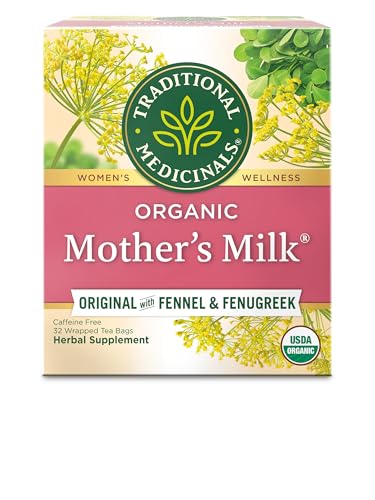
Practical hydration habits include keeping a large water bottle at the nursing station, drinking a glass of water each time you sit down to feed, and including hydrating foods such as soups, cucumber, and watermelon in daily meals. Herbal teas such as fennel and fenugreek tea count toward fluid intake and add a traditional lactation-supportive element at the same time.
What to Limit While Nursing
Most foods are safe during breastfeeding, but a few categories deserve attention:
- Caffeine: Moderate intake is generally considered acceptable, but excess can affect a sensitive baby's sleep. Keep total daily caffeine modest and observe your baby's response.
- Alcohol: Timing and moderation matter. Discuss with your healthcare provider for guidance specific to your situation.
- Highly processed foods: They do not directly reduce supply, but they displace the nutrient-dense foods that support recovery and milk quality.
- Herbal supplements: Some herbs interact with medications. Check with your provider before starting concentrated supplements, especially fenugreek.
When Dietary Changes Are Not Enough
If you have consistently added lactation-supportive foods, improved hydration, and maintained frequent milk removal but still notice a low supply, the next step is a professional assessment. A lactation consultant can evaluate latch, transfer, and pumping technique. Your healthcare provider can rule out thyroid issues, retained placenta, or medication side effects.
Some mothers also explore the expanded list of foods that increase lactation or the additional foods to help produce breast milk for more variety. Combining dietary strategies with the right equipment, such as a well-fitted pump and a comfortable nursing setup, often makes the biggest practical difference.
Prepare Your Nursing Toolkit
Pair lactation nutrition with the right feeding equipment and a comfortable postpartum setup. Explore our curated guides to build a routine that supports your supply.
See Breastfeeding EssentialsFrequently Asked Questions
What foods increase breast milk the fastest?
Oats, barley, fennel, garlic, and leafy greens are among the most commonly recommended foods. However, frequent milk removal through nursing or pumping remains the primary driver of supply, and foods work best as supportive nutrition.
How much water should a breastfeeding mother drink?
Most nursing mothers need roughly 2.5 to 3 liters of fluids daily, but the simplest guide is to drink to thirst and keep water within reach during every feeding session.
Do lactation cookies really work?
Lactation cookies typically contain oats, brewer's yeast, and flaxseed. These ingredients are nutritionally supportive, but the cookies are not a guarantee of increased supply. They work best alongside frequent feeding and good hydration.
How long does it take for lactation foods to work?
Some mothers notice changes within a few days of consistently adding supportive foods and improving hydration, while others need one to two weeks. Supply responds most to frequent milk removal, so pair dietary changes with regular nursing or pumping.