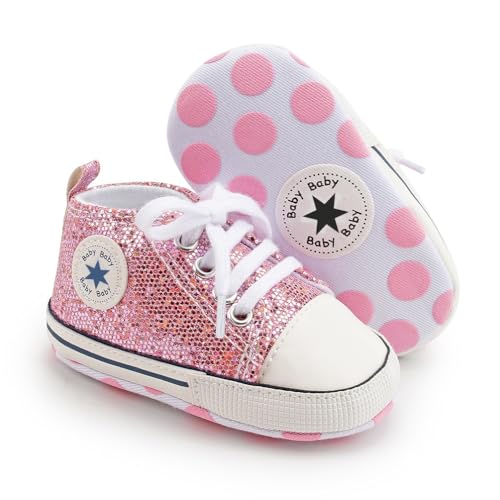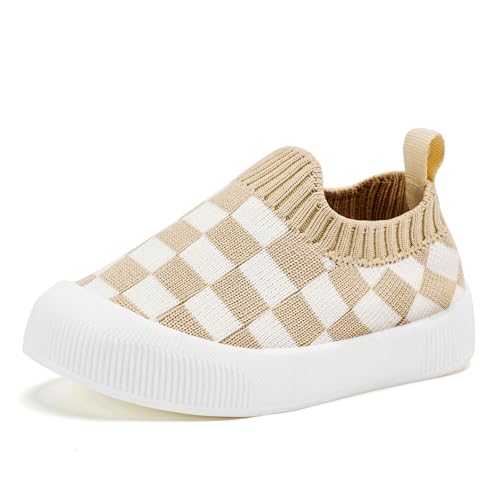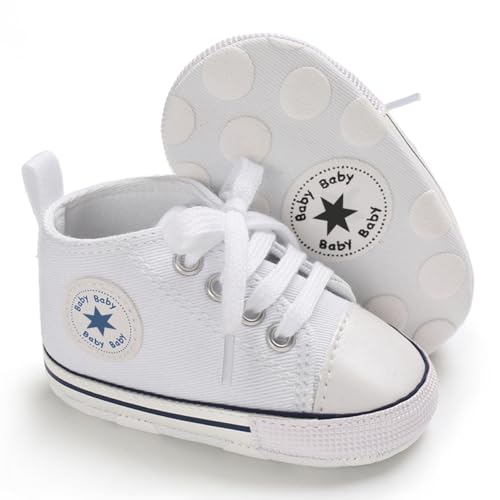
Infant Shoe Size Guide
Find the perfect fit for your baby’s first steps. Learn how to measure tiny feet, read size charts, and choose shoes that support healthy development.
Why the Right Infant Shoe Size Matters
Babies’ feet grow rapidly during the first two years. Wearing shoes that are too small can restrict natural movement and cause discomfort, while oversized shoes can lead to tripping and instability. A proper fit supports healthy foot development and gives your little one confidence as they begin to walk.
This guide covers everything you need to know about infant shoe sizes, from measuring techniques to choosing the right style for each stage. Whether you're shopping for a newborn or a toddler taking their first steps, we'll help you make an informed decision.
Infant & Toddler Shoe Size Chart
Use this general size chart as a starting point. Always measure your child's feet for the most accurate fit, as brands may vary slightly.
| Age (approx.) | US Size | EU Size | Foot Length (inches) | Foot Length (cm) |
|---|---|---|---|---|
| 0–3 months | 0–1 | 15–16 | 3.1–3.5" | 8–9 cm |
| 3–6 months | 1–2 | 16–17 | 3.5–3.9" | 9–10 cm |
| 6–9 months | 2–3 | 17–18 | 3.9–4.3" | 10–11 cm |
| 9–12 months | 3–4 | 18–19 | 4.3–4.7" | 11–12 cm |
| 12–18 months | 4–5 | 19–20 | 4.7–5.1" | 12–13 cm |
| 18–24 months | 5–6 | 20–21 | 5.1–5.5" | 13–14 cm |
| 2–3 years | 7–8 | 22–23 | 5.5–5.9" | 14–15 cm |
Note: These are average ranges. Always measure your child’s foot length and consult the brand's specific size guide.
How to Measure Your Baby’s Foot
Accurate measurement is the key to finding the right infant shoe size. Follow these steps for the best results:
- Prepare: Have your child stand (if possible) on a piece of paper with their heel against a wall.
- Mark: Make a mark at the tip of the longest toe. Repeat for both feet, as one foot may be slightly larger.
- Measure: Measure the distance from the wall to the mark in inches or centimeters.
- Add Room: Add about 0.5 inches (1.2 cm) or a thumb's width for growth and comfort.
- Consult Chart: Use the measurement to find the corresponding size in the chart above, then check the brand’s specific sizing.
For newborns who aren't standing yet, you can measure their foot while they are lying down. Make sure the foot is flat and toes are not curled.
Choosing the Best Shoes for Your Infant
When selecting shoes for your baby, prioritize comfort, flexibility, and safety. Here are some features to look for:
- Flexible Soles: Shoes should bend easily at the ball of the foot to allow natural movement.
- Breathable Materials: Leather, canvas, or mesh help keep feet dry and comfortable.
- Secure Fit: Adjustable straps or laces ensure a snug fit without being too tight.
- Lightweight Design: Heavy shoes can tire little legs and make walking difficult.
- Non-Slip Soles: Rubber soles with treads provide traction for new walkers.
Avoid shoes with hard, rigid soles or high heels, as they can interfere with natural foot development. For pre-walkers, soft booties or socks with grips are often sufficient.
Common Mistakes When Buying Infant Shoes
Many parents unknowingly make sizing errors. Avoid these pitfalls:
- Buying Too Big: Shoes that are too large can cause blisters and make walking difficult. Aim for a thumb's width of extra space.
- Ignoring Width: Some babies have wide or narrow feet. Choose brands that offer width options or have stretchy materials.
- Not Checking Fit Regularly: Babies’ feet grow quickly. Check the fit every 6–8 weeks and replace shoes as needed.
- Assuming Size by Age: Growth rates vary. Always measure feet rather than relying solely on age-based sizing.
When Should My Baby Start Wearing Shoes?
Babies don't need shoes until they start walking outdoors. Before that, barefoot time or soft socks are best for foot development. Once your child begins walking on hard surfaces, invest in a good pair of first walking shoes.
For special occasions or chilly weather, you can use soft-soled booties that protect feet without restricting movement.
If you're preparing for your baby's first steps, you may also find our guides on baby boy shoes and toddler clothes helpful. For other essentials, check out our newborn clothes and baby essentials pages.