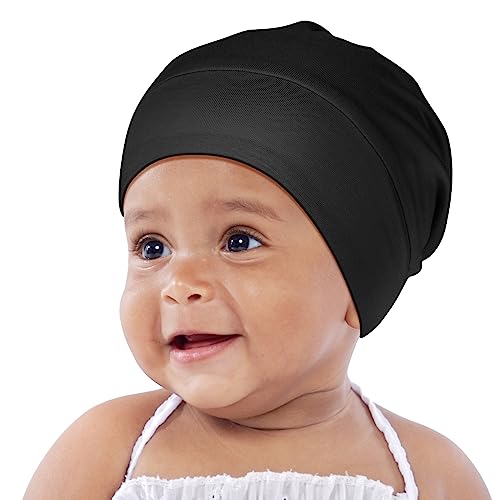
The Essential Newborn Bonnet Guide
From cozy knits to sun-protective styles, discover everything you need to know about choosing the perfect bonnet for your baby. Comfort, safety, and timeless style — all in one guide.
Why a Newborn Bonnet?
A newborn bonnet is more than just an adorable accessory. It serves a crucial purpose: helping your baby regulate their body temperature. Newborns lose a significant amount of heat through their heads, making a soft, well-fitted bonnet an essential item during the first few months.
Beyond practicality, a bonnet adds a touch of heirloom charm to your baby's wardrobe. Whether you're looking for a newborn clothes staple for everyday wear or a special piece for a baby shower or baptism, understanding the different types and materials will help you make the best choice.
Types of Newborn Bonnets
Bonnets come in a variety of styles, each suited for different seasons and occasions. Here are the most common types you'll find:
- Knitted & Crocheted Bonnets: Soft, stretchy, and breathable, these are perfect for indoor use and cooler weather. They often have a classic, vintage look.
- Cotton & Muslin Bonnets: Lightweight and gentle on sensitive skin, these are ideal for summer or layering. They offer breathability and sun protection.
- Sun Bonnets: Designed with a wider brim or flap to shield the baby's face, neck, and ears from the sun. Look for UPF-rated fabrics for the best protection.
- Fleece & Winter Bonnets: Warm and cozy, often lined with soft fleece or sherpa for extra warmth during cold months. Perfect for winter baby snowsuit layering.
When choosing a bonnet, consider the climate, the season, and how often you plan to use it. A versatile cotton bonnet is a great all-rounder, while a warmer knit may be better for colder days.
Materials, Safety & Comfort
Choosing the Right Fabric
Your baby's skin is delicate, so the material of the bonnet matters. Here are the best options:
- 100% Cotton: Hypoallergenic, breathable, and soft. Ideal for sensitive skin and all-season use.
- Organic Cotton: Grown without harmful chemicals, making it the safest choice for babies with eczema or allergies.
- Bamboo: Naturally antibacterial, moisture-wicking, and incredibly soft.
- Muslin: Lightweight and highly breathable, great for warmer weather.
- Merino Wool: Excellent for temperature regulation, keeping baby warm in winter and cool in summer.
Safety First
Safety is paramount when choosing a baby bonnet. Follow these guidelines:
- No Loose Ties: Avoid bonnets with long, trailing ties that could pose a strangulation risk. Look for snap closures or short, secure ties.
- Breathability: Ensure the bonnet is not too tight or made of non-breathable material to prevent overheating.
- Snug but Comfortable: The bonnet should fit snugly without being too tight. You should be able to slide a finger between the bonnet and your baby's head.
- Supervise Use: Always remove the bonnet when your baby is sleeping unsupervised to prevent any risk of suffocation or overheating.
Newborn Bonnet Sizing Guide
Getting the right size is crucial for both comfort and safety. Bonnets are generally sized by age or head circumference (in centimeters or inches). Here's a general guide:
| Age | Head Circumference (cm) | Head Circumference (inches) |
|---|---|---|
| Newborn (0-3 months) | 33–38 cm | 13–15 inches |
| 3-6 months | 38–42 cm | 15–16.5 inches |
| 6-12 months | 42–46 cm | 16.5–18 inches |
Tip: If you're unsure, it's often better to size up, as a slightly larger bonnet can be worn for longer and is more comfortable. Always check the product's specific size chart, as brands may vary.
For preemies, look for specifically sized preemie clothes bonnets that are proportioned for smaller heads and delicate skin.
How to Care for Your Baby's Bonnet
Proper care will keep your baby's bonnet soft, clean, and lasting longer. Here are some simple tips:
- Read the Label: Always check the care instructions on the garment. Some bonnets are machine washable, while others require hand washing.
- Use Gentle Detergent: Choose a baby-safe, fragrance-free detergent to avoid irritating your baby's skin.
- Wash Cold or Warm: Use cold or lukewarm water to prevent shrinkage and preserve the fabric's softness.
- Air Dry: Lay flat to air dry whenever possible. High heat from dryers can damage delicate fibers and cause shrinkage.
- Store Properly: Store bonnets in a clean, dry place away from direct sunlight to prevent fading.
With proper care, a high-quality bonnet can even be passed down to future siblings or kept as a keepsake.
Top Newborn Bonnets Recommended by Parents
Based on thousands of reviews and expert recommendations, these bonnets stand out for their quality, comfort, and safety. Whether you need a soft cotton everyday bonnet, a stylish knit for photos, or a sun-safe option for outdoor adventures, you'll find the perfect match below.
Each product is carefully selected to ensure your little one stays cozy and protected. Shop with confidence knowing these are trusted by parents worldwide.