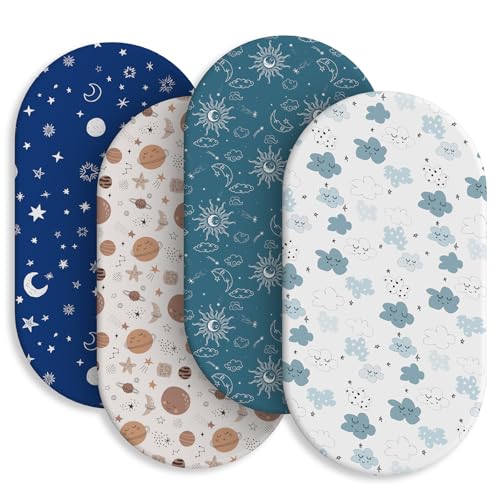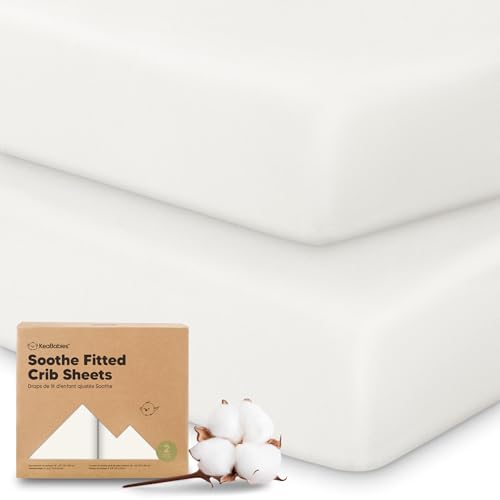
Bassinet Sheets Guide: Find the Perfect Fit for Your Baby
Choosing the right bassinet sheets is essential for your baby's comfort and safety. This comprehensive guide covers everything you need to know about sizes, materials, safety standards, and how to pick the best fitted bassinet sheets for peaceful sleep.
When preparing for your newborn's arrival, a baby bassinet is often one of the first purchases. But the bassinet itself is only half the equation—choosing the right bassinet sheets is equally important. Bassinet sheets are more than just decorative bedding; they play a critical role in your baby's sleep environment, directly affecting safety, comfort, and the quality of rest for both baby and parents.
Unlike standard crib sheets, bassinet sheets must fit snugly to prevent any loosening that could pose a suffocation hazard. Understanding the different sizes, materials, and safety standards will help you make informed decisions for your little one's nursery. This guide will walk you through everything you need to know about selecting the perfect bassinet sheets for your baby's sleep needs.
Safety First: The American Academy of Pediatrics (AAP) recommends a firm, flat sleep surface with a fitted sheet that fits snugly. Loose sheets, blankets, or soft bedding should never be used in a bassinet or crib for infants under 12 months.
Understanding Bassinet Sheet Sizes
One of the most common challenges parents face is finding bassinet sheets that fit correctly. Unlike standard crib mattresses, bassinet mattresses come in various dimensions depending on the manufacturer. This means you can't simply buy any sheet labeled "bassinet sheet" and expect it to fit perfectly.
Most bassinet mattresses fall into two main categories:
- Standard bassinet mattresses: Typically measuring approximately 16" x 32" (41cm x 81cm), though this can vary
- Smaller portable bassinets: Often measuring around 15" x 28" (38cm x 71cm) or other custom sizes
To ensure you purchase the right size, always measure your bassinet mattress before buying sheets. Here's a reference table for common bassinet sheet sizes:
| Bassinet Type | Mattress Size (inches) | Mattress Size (cm) | Recommended Sheet Size |
|---|---|---|---|
| Standard Bassinet | 16" x 32" | 41cm x 81cm | 16" x 32" (fitted) |
| Compact Portable Bassinet | 15" x 28" | 38cm x 71cm | 15" x 28" (fitted) |
| Round Bassinet | 24" diameter | 61cm diameter | 24" round (fitted) |
| Bedside Bassinet | 18" x 34" | 46cm x 86cm | 18" x 34" (fitted) |
It's worth noting that some bassinet manufacturers, such as Halo, Graco, and Fisher-Price, have proprietary mattress sizes. In these cases, you may need to purchase sheets specifically designed for that bassinet model.
Pro Tip: Always check the product description for exact mattress dimensions. A bassinet sheet is too small if it doesn't cover the entire mattress corners, and too large if it bunches or wrinkles. Your child's safety depends on a perfect fit.
Best Materials for Bassinet Sheets
The material of your bassinet sheets directly impacts your baby's sleep quality. Babies have sensitive skin that is more prone to irritation, allergies, and heat rash than adult skin. Choosing the right fabric is essential for both comfort and health.
Here are the most common and recommended materials for bassinet sheets, ranked by their benefits for newborn sleep:
Organic Cotton
Soft, breathable, hypoallergenic, and free from harmful chemicals. Organic cotton is the gold standard for baby bedding. It's durable, easy to wash, and gentle on sensitive skin. The GOTS certification ensures the highest quality standards.
Bamboo
Naturally antibacterial, moisture-wicking, and incredibly soft. Bamboo sheets are thermo-regulating, keeping babies cool in summer and warm in winter. The silky texture is particularly gentle on sensitive or eczema-prone skin.
Muslin
Lightweight, breathable, and becomes softer with each wash. Muslin is an excellent choice for warmer climates. The open weave provides superior airflow, reducing the risk of overheating.
Jersey Knit
Stretchy, soft, and comfortable, jersey knit sheets are often made from cotton or a cotton-blend. The stretch helps create a snug fit on the mattress. However, they may not be as durable or breathable as woven cotton.
Muslin blankets and sheets are particularly popular for their lightweight, breathable properties. Many parents appreciate how muslin fabric becomes softer and more absorbent with each wash while maintaining its integrity.
Materials to Avoid
While many materials are suitable for bassinet sheets, some should be avoided:
- Polyester: Retains heat and is less breathable, increasing the risk of overheating
- Heavy flannel: Can cause overheating, especially in warmer months
- Synthetic blends: Often contain chemicals from manufacturing processes
- Fabrics with synthetic finishes: Anti-wrinkle or stain-resistant treatments often contain formaldehyde
Recommendation: Choose 100% organic cotton or bamboo bassinet sheets. These materials are naturally breathable, soft on sensitive skin, and free from harmful chemicals. Look for certifications like GOTS (Global Organic Textile Standard) or Oeko-Tex Standard 100.
Safety Standards for Bassinet Sheets
Safety should be your top priority when selecting bassinet sheets. In the United States, all infant bedding must comply with the Consumer Product Safety Commission (CPSC) standards. Here are the key safety considerations for bassinet sheets:
1. Snug Fit Requirements
A fitted bassinet sheet should be tight enough that it cannot be pulled off the mattress by a small child. The elastic should be strong enough to hold the sheet firmly in place, even when the baby moves during sleep. Loose sheets can become a suffocation hazard if they bunch up near the baby's face.
2. Mattress Thickness
Bassinet sheets are designed for specific mattress depths, typically ranging from 2" to 4". When purchasing sheets, ensure the pocket depth matches your mattress thickness. A sheet with too deep of a pocket may not fit securely, while too shallow a pocket may not fully cover the mattress.
3. Chemical Safety
Babies' skin is more permeable than adult skin, meaning they absorb chemicals more easily. Avoid bassinet sheets that contain:
- Flame retardants (unless naturally occurring)
- Formaldehyde
- Phthalates
- BPA
- Azo dyes
4. The Right Size for Your Bassinet
Just as a crib mattress requires specific sheet sizes, your bassinet mattress has unique dimensions. Choosing the correct bassinet sheet ensures a safe sleep environment where the sheet won't bunch or slide, reducing the risk of suffocation or entrapment.
The CPSC recommends that parents choose bassinet sheets that are specifically designed for their bassinet model, or at minimum, sheets that match the exact measurements of their bassinet mattress.
How Many Bassinet Sheets Do You Need?
New parents quickly discover that babies are messy. Diaper leaks, spit-up, and drool can happen at any time, and you'll find yourself changing bassinet sheets more often than expected. Having an adequate supply of bassinet sheets is essential for maintaining a clean and comfortable sleep environment.
Here's a practical guide for how many bassinet sheets to have on hand:
- Minimum Supply: 3-4 fitted bassinet sheets. This allows you to have one on the bassinet, one in the wash, and a spare or two for emergencies.
- Recommended Supply: 5-6 fitted bassinet sheets. This is ideal for parents who want to reduce laundry frequency and always have clean sheets available.
- If Your Baby Has Sensitive Skin: Consider purchasing 6-8 sheets made from organic cotton or bamboo. These materials are less likely to cause irritation, and having extras ensures you won't run out.
Remember that bassinet sheets should be washed frequently—ideally every 2-3 days or immediately after any spillage or diaper leak. Using a gentle, fragrance-free detergent is recommended to prevent skin irritation and protect the fabric's integrity.
How to Wash and Care for Bassinet Sheets
Proper care extends the life of your bassinet sheets and ensures they remain safe for your baby. Here are guidelines for washing and maintaining your bassinet sheets:
- Wash before first use: Always wash new sheets before use to remove any manufacturing chemicals or residues.
- Use gentle detergent: Choose a fragrance-free, hypoallergenic detergent. Avoid fabric softeners and bleach, as these can irritate baby's skin and break down the fabric fibers.
- Wash in warm water: Most cotton and bamboo sheets can be washed in warm water (around 40°C/104°F). Hot water can cause shrinkage, while cold water may not remove all bacteria.
- Double rinse: Run an additional rinse cycle to ensure all detergent is removed, reducing the risk of skin irritation.
- Dry properly: Tumble dry on low heat or air dry. High heat can damage the elastic and cause shrinkage. If you air dry, the sheets may become stiff—a quick tumble on low heat after air drying can restore softness.
- Iron if desired: While not necessary, ironing can reduce wrinkles and ensure a perfectly smooth sheet. Use a low temperature setting to avoid damaging the fabric.
Quick Tip: Rotate between two sets of bassinet sheets. When you change the sheet, place the clean one on the bassinet immediately. This saves time during middle-of-the-night changes and ensures you always have a clean sheet ready.
Frequently Asked Questions About Bassinet Sheets
Can I use crib sheets on a bassinet?
No, crib sheets and bassinet sheets are not interchangeable. Crib mattresses are larger (typically 27" x 52") than bassinet mattresses. Using a crib sheet on a bassinet can create loose fabric folds that pose a suffocation hazard. Always use sheets specifically designed for your bassinet's size.
Are organic bassinet sheets worth the extra cost?
Yes. Organic cotton and bamboo bassinet sheets are grown without synthetic pesticides and processed without harmful chemicals. For babies with sensitive skin, allergies, or conditions like eczema, organic materials can significantly reduce skin irritation. The extra cost is generally worth the peace of mind and health benefits.
How often should I replace bassinet sheets?
With proper care, high-quality bassinet sheets should last through your baby's bassinet phase (approximately 3-6 months). Replace sheets if you notice wear, holes, or stretched elastics that prevent a snug fit. Most sheets can withstand 50-100 washes before showing significant wear.
Should I put anything under the bassinet sheet?
No. The AAP recommends a firm, flat sleep surface with only a fitted sheet. Waterproof mattress protectors are acceptable, but they must fit just as snugly as the sheet. Never place additional padding, comforters, or blankets under the sheet, as these can create an unsafe sleep environment.
Choosing the Best Bassinet Sheets: Summary
Selecting the right bassinet sheets doesn't have to be complicated. Here's a quick summary of what to look for:
- Size: Measure your bassinet mattress carefully and choose fitted sheets that match exactly.
- Material: Choose 100% organic cotton or bamboo for breathability, comfort, and skin safety.
- Safety: Ensure a snug fit with strong elastic. Avoid sheets with loose-fitting corners.
- Quantity: Start with 3-4 sheets and add more based on your baby's needs.
- Care: Wash before first use and use gentle, fragrance-free detergent.
Your baby will spend a significant amount of time in their bassinet during the first few months. Investing in high-quality bassinet sheets is an investment in your baby's comfort, safety, and peaceful sleep. The right sheets can make a noticeable difference in how well your baby sleeps, which means better rest for the entire family.
Baby essentials like bassinet sheets are the foundation of a well-prepared nursery. When you choose the right products, you're not just buying bedding—you're creating a safe, comfortable environment for your baby to thrive.
Final Recommendation: For the best combination of safety, comfort, and durability, choose 100% organic cotton bassinet sheets with deep elastic corners that fit your bassinet mattress perfectly. Always prioritize safety standards and material quality over decorative designs.