Infant Rice Cereal in Bottle: A Complete Guide
Should you add rice cereal to your baby's bottle? Get the facts on safety, potential benefits, and step-by-step instructions for introducing cereals to your little one.
Introducing solid foods is a significant milestone for both parents and babies. One question that often arises is whether it's safe or beneficial to put infant rice cereal in a bottle. While this practice was once common, recent guidelines from pediatric experts have shifted. This comprehensive guide will explore the reasons parents consider this method, the associated risks, and safer alternatives for introducing rice cereal and other solids to your baby.
Key Takeaway: The American Academy of Pediatrics (AAP) currently advises against putting infant rice cereal in a bottle unless specifically recommended by a doctor for medical reasons. This practice can pose choking hazards and lead to overfeeding.
Why Do Parents Put Rice Cereal in a Bottle?
Historically, parents have added rice cereal to a bottle for several common reasons. Understanding these motivations can help address underlying concerns more safely.
- To Help with Reflux or Spit-up: Some believe that thickened formula or breast milk will stay down better, reducing episodes of newborn crying after feeding or acid reflux.
- To Encourage Longer Sleep: A long-held belief is that a "heavier" meal before bed will help a baby sleep through the night.
- To Introduce Cereal to a Reluctant Eater: Parents of babies who refuse a spoon might try a bottle as a familiar way to get them to accept the taste.
- To Increase Caloric Intake: For babies who are not gaining weight adequately, a doctor might recommend adding cereal to increase the calorie density of their milk.
While these intentions are rooted in a desire to help, most of these issues are better addressed with other, safer methods. For babies who are truly ready, starting solids with a spoon is the recommended approach.
Potential Risks of Rice Cereal in a Bottle
The primary concerns from pediatric organizations are centered on safety and the development of healthy eating habits.
⚠️ Important Safety Warning: Adding rice cereal to a bottle is considered a choking hazard and can lead to overfeeding, which may contribute to rapid weight gain and childhood obesity.
Choking and Aspiration
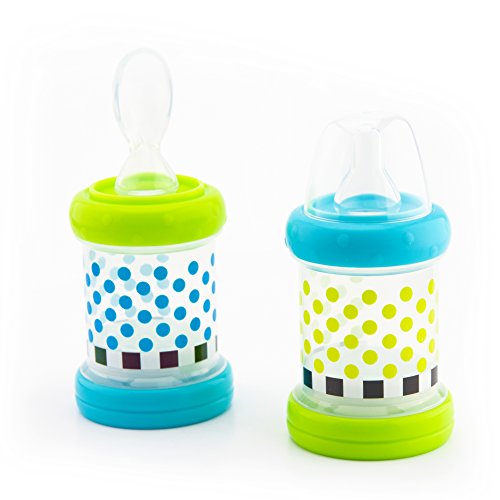
When cereal is added to a bottle, it thickens the liquid. A baby's natural suckling reflex may not be able to handle the thicker consistency, causing them to gag or choke. Furthermore, thickened liquid can more easily be aspirated into the lungs, leading to respiratory issues.
Overfeeding and Weight Gain
Bottle-feeding with thickened milk can make it difficult for a baby to self-regulate their intake. The liquid flows faster, and the baby may consume more calories than they need before their brain registers fullness. This can lead to unhealthy weight gain. For older infants, it is more appropriate to guide them towards finger food for a 9-month-old or spoon-fed purees to help them develop eating skills.
Nutritional Imbalance
Rice cereal is primarily a source of iron and calories. Replacing some of the breast milk or formula, which contains a precise balance of fats, proteins, and other crucial nutrients, with cereal can dilute the nutritional quality of the baby's primary food source.
Arsenic Concerns
Rice products, including infant rice cereal, can contain trace amounts of inorganic arsenic. Because babies are small and eat relatively large amounts of rice cereal, it's recommended to limit their intake and offer a variety of grains, such as oats or barley, instead.
Medical Exceptions: When a Doctor Might Recommend It
In some specific medical situations, a pediatrician or a feeding specialist may recommend thickening a baby's milk with rice cereal. This is not a decision to make on your own.
- Severe Acid Reflux (GERD): In some cases of severe reflux, a small amount of cereal may be added to help the milk stay in the stomach.
- Swallowing Difficulties: A speech-language pathologist might recommend thickened liquids for babies with certain oral-motor or swallowing difficulties.
- Failure to Thrive: For babies struggling to gain weight, a doctor might recommend adding cereal to increase the calorie density of their formula or expressed breast milk.
If your doctor recommends this, they will give you very specific instructions on the correct ratio of cereal to milk and the appropriate nipple size to use.
How to Safely Introduce Infant Rice Cereal
The ideal way to introduce rice cereal is as a solid food, fed from a spoon. This helps your baby learn the mechanics of eating solid food and allows you to gauge their readiness.
Signs Your Baby is Ready for Solids
Most babies are ready for solid foods around the age of 6 months. Check for these signs:
- Can sit up with minimal support.
- Has good head and neck control.
- Shows interest in food by reaching for it or opening their mouth when food is offered.
- Does not push food out of their mouth with their tongue (extrusion reflex has faded).
Before starting solids, it's helpful to prepare your feeding area. Having the right equipment, like a children's table and 4 chairs, can create a positive and comfortable eating environment for your growing child.
Step-by-Step Guide to Preparing Rice Cereal
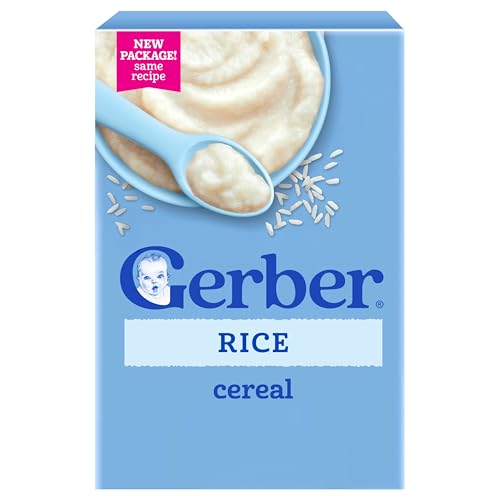
- Choose the Right Product: Select a single-grain iron-fortified infant rice cereal. Start with plain, simple ingredients.
- Prepare the Cereal: Mix 1 tablespoon of cereal with 4-5 tablespoons of breast milk or formula. The mixture should be very thin and soupy at first.
- Use a Soft Spoon: Use a small, soft-tipped infant spoon to avoid hurting your baby's gums.
- Offer a Small Amount: Place a tiny amount of the cereal on the spoon and gently touch it to your baby's lower lip. Let them taste it and bring it into their mouth.
- Follow Baby's Lead: Don't force the cereal. If your baby turns their head away, closes their mouth, or seems fussy, stop and try again another day.
- Gradually Thicken: As your baby gets used to the texture, you can gradually reduce the amount of liquid to make the cereal a little thicker.
Remember, the goal of starting solids is to introduce new tastes and textures, not to replace milk feeds. Breast milk or formula should remain your baby's main source of nutrition for the first year. If you're looking for a more convenient option for on-the-go feeding, some parents explore infant formula ready-to-feed options.
Alternatives to Rice Cereal
Due to potential arsenic concerns and the fact that rice cereal can be binding (causing constipation), you might consider other nutritious first foods.
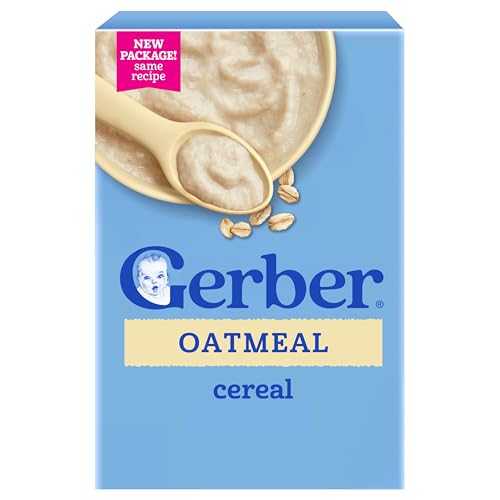
- Oatmeal Cereal: A great alternative that is easier to digest and has less arsenic.
- Barley Cereal: Another good option with a slightly different nutritional profile.
- Pureed Vegetables: Start with single-ingredient purees like sweet potato, avocado, or peas.
- Pureed Fruits: Applesauce, pears, or banana are often well-liked.
Introducing a variety of flavors early on can help prevent picky eating later. For parents wanting to track their baby's feeding journey, a potty training sticker chart or similar milestone tracker might be helpful for a later stage.
Debunking Common Myths About Rice Cereal in Bottles
Many myths surround this practice. Let's separate fact from fiction.
Myth: It helps babies sleep through the night.
Fact: Studies have shown that putting cereal in a bottle does not significantly improve sleep. A baby's sleep patterns are more closely related to their age and overall development. Using a zip-up swaddle for newborns or creating a consistent bedtime routine is a much more effective strategy for better sleep.
Myth: It's a harmless way to introduce solids.
Fact: As detailed above, there are several significant risks associated with this practice. Spoon-feeding is the developmentally appropriate and safe way to start solids.
Myth: All babies need rice cereal to get enough iron.
Fact: While iron is crucial, it's readily available in iron-fortified cereals (which can be given by spoon) and in other foods like pureed meats, beans, and lentils. Many parents also use a silicone manual breast pump to express milk that can be mixed with these iron-rich foods.
Feeding Supplies and Cleanup
Starting solids inevitably means more mess. Investing in the right gear can make the process more enjoyable for everyone. Consider using a portable changing diaper pad for messy mealtimes if you're on the go, or having a good supply of bibs and washcloths.
After mealtime, it's crucial to clean all feeding equipment properly. For bottles and spoons, using a bottle washer and sterilizer can ensure they are perfectly sanitized and ready for the next use, reducing the risk of bacteria growth.
Conclusion: Making the Best Choice for Your Baby
While adding infant rice cereal to a bottle might seem like a simple solution for a few common baby-care challenges, it is generally not recommended due to safety risks and potential for creating bad habits. The consensus among pediatric experts is clear: solids should be introduced from a spoon when your baby is developmentally ready, which is usually around six months of age.
If you have concerns about your baby's feeding, weight gain, or reflux, it's always best to speak with your pediatrician. They can provide personalized advice and rule out any underlying medical issues. For everyday feeding milestones, focusing on a positive, responsive, and safe approach will set your baby up for a lifetime of healthy eating habits. For special occasions, a first birthday present idea or a personalized newborn outfit can be a wonderful way to celebrate their journey from milk to solids!