Silicone Manual Breast Pump: Complete Buying Guide
Everything you need to know about silicone manual breast pumps — how they work, who they suit best, and what to consider before choosing one for your breastfeeding journey.
Why consider a silicone manual breast pump? These compact, hands-free-friendly devices have become a staple in many breastfeeding setups. They are simple to use, easy to clean, and require no batteries or electrical outlets. Whether you need a backup pump for travel, a way to relieve engorgement, or a gentle option for occasional expression, a silicone manual pump can be a practical addition to your nursing toolkit.
What You'll Learn
How Silicone Manual Breast Pumps Work
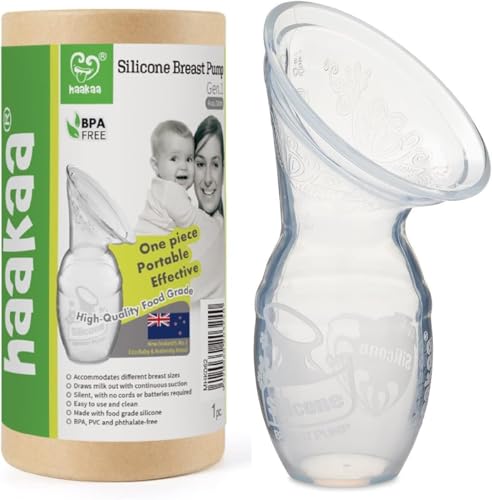
A silicone manual breast pump operates on a straightforward principle: suction created by manual pressure. The pump typically consists of a flexible silicone cup or bulb that fits over the breast. By squeezing or pressing the silicone chamber, you create a vacuum that draws milk out. The milk collects directly inside the silicone container, and once you're done, you simply pour it into a storage bottle or bag.
Unlike traditional piston-style manual pumps, silicone models are often designed to be hands-free when placed inside a nursing bra. The continuous suction holds the pump in place while you attend to other tasks. This makes them particularly appealing for mothers who want to express milk without being tethered to a machine.
It's important to note that silicone manual pumps generally produce less output per session compared to electric pumps. They are best suited for occasional expression, relief from engorgement, or as a supplemental tool rather than a primary pumping solution. For mothers who need to pump regularly, an electric pump — such as a double electric breast pump hands-free — is usually more efficient.
Key Benefits of Silicone Manual Breast Pumps
Portability & Convenience
No cords, no batteries, no outlets. A silicone manual pump fits easily in a diaper bag or purse, making it ideal for travel, work, or on-the-go expression.
Quiet Operation
Unlike electric pumps that emit a motor hum, silicone manual pumps are virtually silent. This is a significant advantage if you need to pump discreetly or while your baby sleeps.
Easy to Clean
Most silicone pumps have few parts and are dishwasher-safe. Hand washing with warm soapy water is quick and straightforward, reducing the daily cleaning burden.
Gentle Suction Control
You control the suction entirely by how hard you squeeze. This allows you to adjust pressure to your comfort level, which can be helpful for sensitive nipples or the early postpartum period.
Hands-Free Potential
Many silicone pumps are designed to fit inside a nursing bra, holding themselves in place via suction. This lets you read, answer emails, or tend to your baby while expressing.
Compact & Lightweight
These pumps weigh very little and take up minimal space. They are an excellent backup option for mothers who primarily breastfeed but want a pump for occasional use.
Who Is a Silicone Manual Breast Pump Best For?
Silicone manual breast pumps are not a one-size-fits-all solution. They shine in specific scenarios and for certain pumping goals. Here's a breakdown of who benefits most:
- Mothers who primarily breastfeed and only need occasional expression for relief or a stored bottle.
- Travelers and commuters who need a lightweight, cord-free option that fits in a bag.
- Mothers establishing supply who want a gentle, low-pressure way to express colostrum or early milk.
- Parents building a freezer stash who want to catch let-down from the opposite breast while nursing.
- Those with sensitive nipples who need precise control over suction strength.
If you need to pump multiple times a day or return to work full-time, a silicone manual pump is unlikely to be your primary tool. In that case, consider exploring options like a portable breast pump through insurance or a double electric breast pump hands-free for efficiency.
Quality Tiers Explained
Silicone manual breast pumps vary in design, material quality, and features. To help you compare without referencing specific figures, we use a consistent tier system based on market positioning and build quality:
| Tier | Typical Characteristics | Best For |
|---|---|---|
| Entry-Level Tier | Basic silicone construction, minimal parts, simple suction mechanism. May have fewer size options or thinner silicone walls. | Occasional use, backup pump, or trying out the concept before committing to a higher tier. |
| Mid-Range Tier | Thicker, more durable silicone. Improved ergonomic design, better seal, and often includes a storage container or carry case. | Regular occasional use, travel, and mothers who want a balance of durability and ease of use. |
| Premium Tier | High-grade silicone, reinforced construction, thoughtful design details like angled necks or integrated measurement markings. Often includes premium accessories. | Frequent use, mothers who prioritize longevity and comfort, and those who want a well-specified tool for their breastfeeding journey. |
Note on tier selection: A mid-range silicone pump typically offers a noticeably better seal and more comfortable fit than an entry-level model, while premium tier pumps often feature design refinements that make daily use more pleasant. Choose based on how often you plan to pump and your personal comfort preferences.
Features That Matter When Choosing
Not all silicone manual breast pumps are created equal. Here are the key features to evaluate before making a decision:
Your Buying Checklist
- Silicone Grade: Look for food-grade or medical-grade silicone. These are more durable, safer, and less likely to retain odors or stains.
- Suction Mechanism: Some pumps use a simple squeeze bulb, while others have a more structured chamber. Consider which feels more intuitive for you.
- Capacity: Check how much milk the pump can hold. If you plan to express larger volumes, a higher-capacity model is preferable.
- Hands-Free Fit: If hands-free use is important, verify that the pump is designed to fit securely inside a nursing bra.
- Ease of Cleaning: Fewer parts and dishwasher-safe materials simplify your routine. Check whether the pump can be boiled or steam-sterilized.
- Storage Compatibility: Some pumps come with adapters or lids that allow direct storage in the refrigerator or freezer.
- Size & Fit: The breast shield or cup should fit comfortably. Some brands offer multiple sizes.
- Portability: Consider the weight and whether a travel case is included, especially if you plan to carry it daily.
If you are building a complete breastfeeding setup, you may also want to explore essentials for breastfeeding and silicone nipple covers for breastfeeding to ensure a comfortable and well-supported experience.
Cleaning & Maintenance Tips
Proper cleaning is essential for hygiene and longevity. Here's a simple routine to follow:
- After each use: Rinse the pump with cool water to remove milk residue, then wash with warm soapy water. Use a bottle brush if needed.
- Daily: If you use the pump multiple times a day, consider sterilizing it once daily by boiling or using a steam sterilizer (check manufacturer instructions).
- Weekly: Inspect the silicone for signs of wear, such as cracks, cloudiness, or thinning. Replace if necessary.
- Storage: Keep the pump in a clean, dry place. If traveling, use a sealed bag or case to prevent contamination.
Silicone is generally resistant to heat and stains, but avoid using abrasive cleaners or scouring pads, which can damage the surface. With proper care, a good-quality silicone pump can last through many months of use.
Silicone Manual vs. Electric Breast Pumps
Understanding the trade-offs between manual and electric pumps helps you decide which fits your lifestyle better. Here's a balanced comparison:
Manual Pump Advantages
Portable, silent, no power required, easy to clean, precise suction control, and typically simpler to use one-handed. Ideal for occasional expression and travel.
Electric Pump Advantages
Faster expression, often double-pumping capability, consistent suction, and better for building and maintaining supply when pumping regularly. Essential for working mothers.
Many mothers use both: an electric pump for daily sessions and a silicone manual pump as a backup or for on-the-go relief. If you are navigating the transition from bottle to cup, you might also find our guide on transition from bottle to straw cup for milk helpful.
Frequently Asked Questions
How does a silicone manual breast pump work?
A silicone manual breast pump uses a flexible silicone cup or bulb that you squeeze or press to create suction. The milk collects directly in the silicone chamber, and you then pour it into a storage bottle. It relies on manual pressure rather than batteries or electricity.
Is a silicone manual breast pump suitable for occasional pumping?
Yes, silicone manual breast pumps are ideal for occasional or backup pumping. They are compact, easy to clean, and require no power source, making them great for travel or relieving engorgement between feedings.
How do I clean a silicone manual breast pump?
Most silicone manual breast pumps are dishwasher-safe on the top rack, but hand washing with warm soapy water is recommended for longevity. Boiling or steam sterilization is also possible if the manufacturer specifies it.
Can I use a silicone manual breast pump hands-free?
Some silicone pumps are designed to fit inside a nursing bra, allowing hands-free pumping while you tend to other tasks. However, they typically require initial suction to stay in place, and output may be lower than with electric pumps.
How long does a silicone manual breast pump last?
With proper care, a high-quality silicone pump can last several months to over a year. Inspect the silicone regularly for wear and replace it if you notice cracks, thinning, or decreased suction.
Final Thoughts
A silicone manual breast pump is a practical, versatile tool that deserves a place in many breastfeeding setups. It won't replace a hospital-grade electric pump for mothers who pump frequently, but it excels as a backup, travel companion, and gentle option for occasional expression. By understanding how these pumps work, evaluating quality tiers, and checking key features, you can choose one that fits your needs and lifestyle.
Whether you are just starting your breastfeeding journey or looking to add a convenient tool to your existing routine, a silicone manual pump offers simplicity, portability, and control. For more guidance on building a complete postpartum and breastfeeding kit, explore our things needed for mom after giving birth and newborn must-haves resources.