Portable Changing Diaper Pad: Complete Buying Guide
Everything you need to know before choosing a travel-friendly changing pad — features, safety standards, materials, and practical tips for parents on the go.
What Is a Portable Changing Diaper Pad?
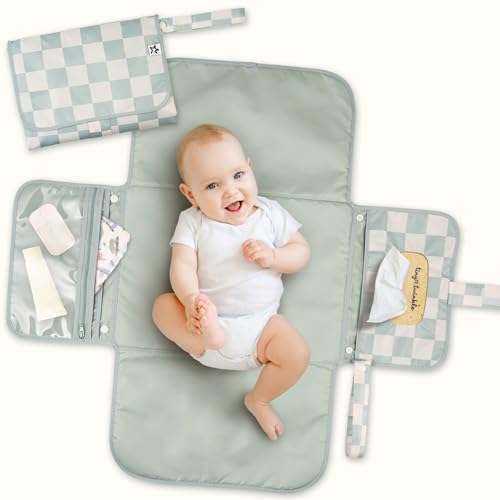
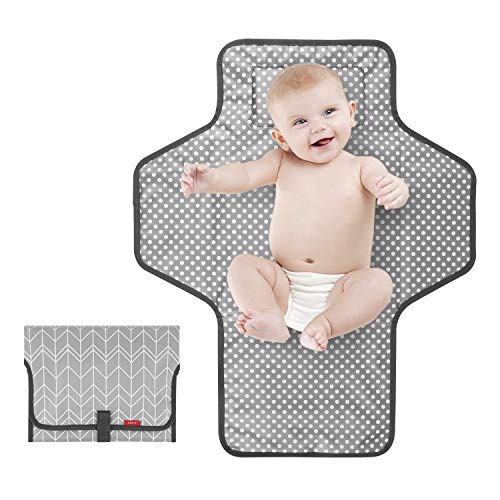
A portable changing diaper pad is a compact, foldable surface designed for diaper changes away from home. Unlike a full-size changing station that stays in the nursery, a portable pad folds or rolls into a small package that slips into a diaper bag, stroller basket, or even a large purse. It provides a clean, padded layer between your baby and whatever surface you find — a public restroom changing table, a park bench, the back seat of a car, or a friend's couch.
Most models combine a soft, wipeable outer shell with a cushioned inner layer and a moisture-resistant lining. Many include built-in pockets for diapers and wipes, and some feature straps or clips so the pad can be secured to a changing table or carried over the shoulder. If you are also preparing a full nursery setup, it helps to understand how a portable pad complements a portable diaper changing pad and a permanent portable changing station for adults used in caregiving environments.
Why Every Parent Needs One
Diaper changes do not pause because you are away from home. Newborns may need up to ten or more changes per day, and even older infants require frequent changes during errands, travel, and visits. A portable pad solves several practical problems at once:
- Hygiene protection: Public changing tables are used by many families and are not always cleaned between uses. A personal pad creates a barrier between your baby and the surface.
- Comfort: Hard plastic tables and cold counters are uncomfortable for a baby. A padded layer keeps the experience calmer for both of you.
- Convenience: Pads with integrated pockets let you carry a diaper, wipes, and cream in one grab-and-go unit instead of digging through a bag.
- Versatility: The same pad works on a bed during overnight travel, on the floor during a picnic, or in a car while on a road trip.
Parents who travel frequently often pair a changing pad with other compact gear, such as a portable crib for travel and a portable car seat for travel, to keep the entire outing manageable.
Key Features to Evaluate
Not all portable pads are built the same way. The features below matter most when comparing options:
Foldability and Packed Size
Look at how the pad folds — trifold, roll-up, or envelope style — and how small it becomes when packed. A pad that folds into a compact square is easier to store in a crowded diaper bag. Check the unfolded dimensions as well; a pad that is too small will not comfortably fit a growing baby.
Padding Thickness
Thicker padding improves comfort on hard surfaces, but adds bulk. Entry-level pads often use a thin foam layer, while mid-range and premium models may use denser memory-foam-like layers that stay comfortable without becoming bulky.
Wipeable Surface
The outer surface should be easy to wipe clean with a damp cloth or baby wipe. Look for sealed seams and a smooth, non-porous finish. Some pads are machine-washable, which is convenient but usually means a softer fabric surface that takes longer to dry.
Storage Pockets
Built-in pockets for diapers, wipes, and cream reduce the number of items you need to carry separately. A zippered pocket is better for keeping small items secure, while open pockets offer faster access during a change.
Attachment Straps or Clips
Some pads include straps that secure the pad to a changing table or a stroller, preventing it from sliding. This is especially useful on narrow public changing tables.
Carry Handle or Shoulder Strap
A handle or strap turns the folded pad into a small carry case, which is handy for short trips when you do not want to bring the entire diaper bag.
Materials and Construction
The material choices affect durability, ease of cleaning, and how the pad feels against a baby's skin. Common configurations include:
- Waterproof outer shell: Usually made from polyester, nylon, or a coated fabric. These repel spills and wipe clean quickly.
- Soft inner lining: Often a brushed polyester or cotton-blend layer that feels gentle against skin.
- Cushion layer: Foam, EVA, or a denser padding material. Higher-tier pads tend to use denser, longer-lasting foam that resists flattening.
- Reinforced edges: Stitched or bound edges prevent fraying and extend the usable life of the pad, especially with frequent folding.
If you prefer a more structured setup for home use, a portable changing diaper pad with a firm base can double as a lightweight travel solution, while a dedicated portable diaper changing pad may offer more storage for longer outings.
Safety and Hygiene Considerations
Safety should always come before convenience. Keep these points in mind:
- Never leave a baby unattended on a changing pad, even for a moment. Portable pads are not restraints and should not be used on elevated surfaces without constant supervision.
- Use a barrier on public surfaces. Even with a portable pad, place it on a stable, flat area and keep one hand on the baby at all times.
- Check for non-toxic materials. Look for pads that state they are free from harmful phthalates and heavy metals, especially if your baby has sensitive skin.
- Clean after every use. Wipe the surface with a baby-safe cleaner or a damp cloth, and wash fabric components according to the manufacturer's instructions.
- Inspect regularly. Check seams, zippers, and straps for wear. Replace the pad if the waterproof layer is cracked or peeling, since that compromises hygiene protection.
Types of Portable Changing Pads
Portable pads generally fall into a few practical categories:
Flat Fold-Out Pads
The most common style. They unfold into a rectangular mat with a wipeable surface. Many include a small pocket for a diaper and wipes. These are lightweight and fit easily into most diaper bags.
Pouch-Style Pads
These fold into their own built-in pouch, often with a wrist strap. They are ideal for quick errands when you want to carry only the essentials.
Backpack or Tote-Style Pads
Larger models with dedicated compartments for diapers, wipes, and a changing surface. These are useful for full-day outings or for parents who prefer a single grab-and-go bag.
Contoured Pads
These have raised edges to help keep a baby centered. They offer a bit more structure but are usually bulkier when folded.
For families who also need a compact sleep solution, a portable crib or a portable crib for grandparents' house pairs naturally with a changing pad in a travel kit.
Tier Comparison: Entry-Level to Premium
The table below compares portable changing pads across quality tiers. It focuses on build quality and feature depth rather than any numeric figure, so the comparison stays useful over time.
| Tier | Best For | Typical Construction | Key Trade-Off |
|---|---|---|---|
| Entry-level | Occasional outings, backup pad for the car | Thin foam layer, basic wipeable shell, simple fold | Lighter and more compact, but less cushioning and fewer pockets |
| Mid-range | Everyday diaper bag use | Denser padding, sealed seams, integrated pocket for wipes | Balanced size and comfort; storage is modest |
| Premium | Frequent travel, full-day outings | Memory-foam-like cushioning, reinforced edges, multiple compartments, carry strap | More bulk when packed, but noticeably more comfortable and organized |
| Luxury / flagship | Parents who want a long-term investment piece | High-grade fabrics, structured base, convertible carry modes, machine-washable inner lining | Largest packed footprint; best suited to families who travel often |
Note: A mid-range pad usually offers the best balance for most families. It provides enough padding and organization for daily use without the bulk of a premium model. Entry-level pads remain a solid choice as a secondary pad kept in the car or at a relative's home.
How to Choose the Right One
Use the following checklist to narrow your options:
- Measure your diaper bag. Confirm the folded dimensions fit your bag's main compartment or an exterior pocket.
- Decide on storage needs. If you already carry a well-organized diaper bag, a simple flat pad is enough. If you prefer a single grab-and-go item, choose a pouch or tote-style pad with compartments.
- Consider your baby's age. Newborns need frequent changes, so a pad with quick-access pockets helps. Older infants move more, so a contoured pad or one with attachment straps can be useful.
- Think about cleaning. Wipeable surfaces are fastest for on-the-go use. Machine-washable pads are convenient at home but require drying time.
- Check the padding. If you often change diapers on hard surfaces, prioritize denser padding even if the pad is slightly bulkier.
- Plan for travel. If you are building a travel kit, pair the pad with a portable playard or portable infant playpen so your baby has a clean space to rest between changes.
Practical Usage Tips
Small habits make a portable pad easier to live with:
- Restock after every change. Refill the pad's pocket with one diaper and a small pack of wipes so it is always ready.
- Keep a spare in the car. A folded pad stored in the trunk or glove compartment is useful for unexpected stops.
- Use a liner for messy changes. A disposable liner or a small cloth on top of the pad makes cleanup faster and protects the pad's surface.
- Secure the pad on narrow tables. If your pad has straps, use them. If not, place the pad against a wall or use one hand to steady it.
- Pack a wet bag. A small waterproof bag holds soiled liners or clothes without contaminating the rest of your diaper bag.
For parents managing multiple children, a portable high chair or portable infant high chair can round out a compact travel kit alongside the changing pad.
Cleaning and Maintenance
Regular cleaning keeps the pad hygienic and extends its usable life:
- After each use: Wipe the surface with a baby-safe wipe or a damp cloth. Pay attention to seams and folds where residue can collect.
- Weekly deep clean: Use a mild soap and water solution, then wipe dry. Avoid harsh chemicals that could irritate a baby's skin.
- Fabric components: If the pad has a removable or machine-washable lining, follow the care label. Air-dry whenever possible to preserve the waterproof coating.
- Storage: Store the pad unfolded or loosely folded when not in use for extended periods, to prevent permanent creases in the padding.
- Inspection: Check the waterproof layer monthly. If it becomes cracked or starts peeling, replace the pad.
Frequently Asked Questions
Can a portable changing pad be used on a public changing table?
Yes. That is one of its main purposes. Place the pad on the table, keep one hand on your baby at all times, and wipe the pad clean after use. Never leave a baby unattended on any elevated surface.
How thick should the padding be?
For occasional use on soft surfaces, a thin pad is sufficient. If you frequently change diapers on hard surfaces like public tables or car seats, choose a pad with denser, mid-range or premium padding. The trade-off is a slightly larger packed size.
Are portable changing pads machine-washable?
Some are, particularly pads with removable fabric linings. Many are wipe-clean only. Check the care label before purchasing if machine washing is important to you.
How long can a baby use a portable changing pad?
Most pads accommodate newborns through the toddler stage. The practical limit is usually the pad's length and the baby's movement. Once a child is actively rolling and standing during changes, a larger pad or a floor-based changing mat may be more practical.
Do I need both a portable pad and a nursery changing station?
They serve different purposes. A nursery station stays at home and holds supplies in one place. A portable pad travels with you. Many families keep both, and some use a portable pad as a backup at home during the newborn stage.
What is the difference between a portable changing diaper pad and a portable diaper changing pad?
The terms are often used interchangeably. In general, both describe a foldable, travel-friendly surface for diaper changes. Some listings use one term to emphasize the pad's portability, while others emphasize the changing function. Focus on dimensions, padding, and storage rather than the exact wording.
Ready to Compare Portable Changing Pads?
Explore feature-rich options that balance padding, portability, and organization for everyday outings and travel.
View Recommended Products