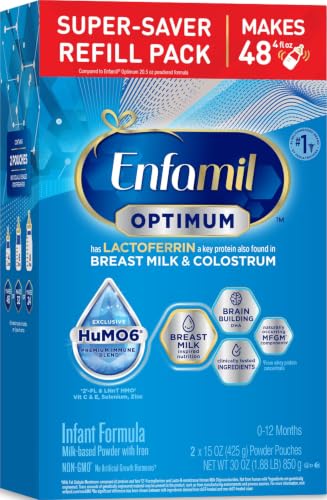
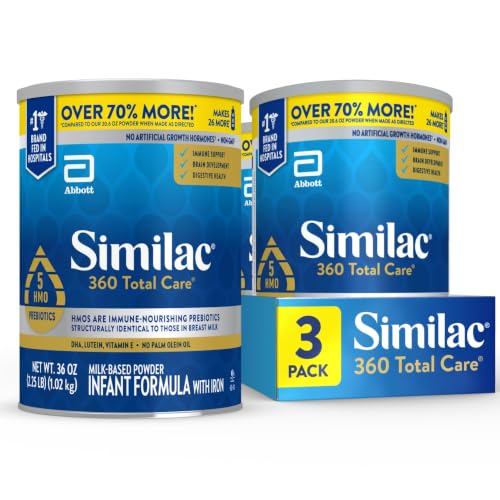
Infant Formula Closest to Breastmilk
Understand the ingredients, proteins, and nutrients that make some infant formulas more similar to breast milk — so you can choose with confidence.
EXPLORE FORMULA OPTIONSBreast milk is the gold standard for infant nutrition. It provides a unique blend of proteins, fats, carbohydrates, and immune-supporting compounds that support healthy growth and development. However, for many families, breastfeeding is not always possible or is supplemented with formula. The good news is that modern infant formulas have advanced significantly — some are now designed to closely resemble the nutritional profile of breast milk.
When parents search for the infant formula closest to breastmilk, they are usually looking for several key characteristics: a whey-dominant protein ratio, lactose as the primary carbohydrate, added nucleotides, prebiotics, and DHA/ARA for brain and eye development. Understanding these components can help you make an informed decision that aligns with your baby's needs and your family's circumstances.
This guide breaks down the science behind breast milk composition, explains which formula features matter most, and presents formula categories by their ingredient approach — from standard cow's milk-based options to hydrolyzed and lactose-free variants. Whether you are researching infant formula for the first time or comparing formula for newborns, this resource is designed to answer your questions clearly and thoroughly.
What Makes Breast Milk Unique?
Breast milk is a living fluid that changes composition based on the baby's age, time of day, and even during a single feeding. Several key components make it difficult to replicate perfectly:
- Whey-to-casein ratio: Human milk is whey-dominant (approximately 60:40 whey to casein in mature milk, and even higher in early milk), making it easier to digest. Most standard cow's milk-based formulas use a 20:80 ratio unless specifically modified.
- Lactose: The primary carbohydrate in breast milk, lactose supports brain development and helps with calcium absorption.
- Human milk oligosaccharides (HMOs): These prebiotic compounds feed beneficial gut bacteria and support immune health. Some advanced formulas now include HMO ingredients like 2'-FL.
- Nucleotides: These building blocks of DNA and RNA support immune function and tissue development.
- DHA and ARA: Long-chain fatty acids critical for brain and retinal development.
- Immunoglobulins and live cells: These cannot be replicated in any commercial formula — which is why breast milk remains unique.
While no formula can fully replicate breast milk, formulas that prioritize whey protein, lactose, added nucleotides, prebiotics, and DHA/ARA come closest in composition and function. The infant formula most like breast milk will typically emphasize these features on its label.
Formula Categories That Mimic Breast Milk
Standard Cow's Milk-Based Formula
These are the most common formulas and serve as the baseline for comparison. Many standard options are iron-fortified and include DHA/ARA.
- Whey-dominant protein blends (some brands offer 60:40)
- Lactose as primary carbohydrate
- Added DHA and ARA
- Nucleotides included in many options
Formula for newborns in this tier is widely available and suitable for most healthy infants.
Partially Hydrolyzed Formula
Proteins are partially broken down, making them easier to digest. These are often marketed for babies with sensitive tummies or as a gentle option.
- Reduced protein size for easier digestion
- Often whey-dominant
- May include prebiotics (GOS/FOS)
- Suitable for occasional fussiness or gas
For babies with sensitive stomachs, this tier can be a good stepping stone before considering more specialized options.
HMO-Enhanced Formula
These formulas include human milk oligosaccharide ingredients (such as 2'-FL) designed to mimic the prebiotic function of breast milk.
- Contains 2'-FL or other HMO ingredients
- Supports gut microbiome development
- Often whey-dominant with lactose
- DHA/ARA and nucleotides included
This category represents a significant advance in infant formula similar to breast milk, bridging the gap between standard formula and breast milk's immune-supporting properties.
Extensively Hydrolyzed & Amino Acid-Based
For babies with diagnosed allergies or severe intolerance, these formulas break proteins down to the amino acid level.
- Minimal allergen potential
- Requires medical guidance
- Often lactose-free
- Prescribed for cow's milk protein allergy
If your pediatrician suspects a milk protein allergy, these formulas may be recommended alongside formula for lactose intolerance options.
Lactose-Free Formula
Lactose is replaced with alternative carbohydrates for babies who cannot properly digest lactose.
- Lactose removed or reduced
- Often uses corn syrup solids or sucrose
- Still includes essential nutrients
- Available as lactose-free infant formula
True lactose intolerance in infants is rare; always consult a healthcare provider before switching to a lactose-free option.
Iron-Fortified Formula
Iron is a critical nutrient for brain development. Most infant formulas are iron-fortified to meet your baby's needs.
- Supports cognitive development
- Prevents iron-deficiency anemia
- Standard in most commercial formulas
- Look for iron fortified formula milk on the label
Iron-fortified formulas are recommended for all formula-fed infants unless otherwise directed by a pediatrician.
Ingredient Comparison: Breast Milk vs. Formula Features
Use this table to understand how different formula types compare on key breast milk components. Remember that no formula contains live antibodies or immune cells — those are exclusive to breast milk.
| Feature | Breast Milk | Standard Formula | HMO-Enhanced Formula | Hydrolyzed Formula |
|---|---|---|---|---|
| Protein Ratio | Whey-dominant (60:40) | Varies (often 20:80 casein-dominant) | Often whey-dominant | Partially or extensively broken down |
| Primary Carbohydrate | Lactose | Lactose | Lactose | Lactose or alternative |
| Prebiotics (HMOs) | Yes (over 200 HMOs) | Limited or none | Includes 2'-FL or similar | May include GOS/FOS |
| DHA & ARA | Yes | Often added | Added | Often added |
| Nucleotides | Yes | Often added | Added | Varies |
| Live Immune Cells | Yes | No | No | No |
| Digestibility | High | Moderate | Moderate-High | High (for sensitive tummies) |
How to Choose the Best Formula for Your Baby
Selecting an infant formula involves more than scanning ingredient lists. Consider these factors when evaluating which option is closest to breast milk for your baby:
- Age and stage: Newborns have different nutritional needs than older infants. Newborn formula is specifically designed for the first months of life.
- Digestive tolerance: If your baby experiences gas, fussiness, or spit-up, a partially hydrolyzed option may be easier to digest. For sensitive stomachs, these formulas can make a meaningful difference.
- Allergy concerns: If there is a family history of allergies or your pediatrician suspects cow's milk protein allergy, an extensively hydrolyzed or amino acid-based formula may be appropriate.
- Lactose handling: Most babies digest lactose well. However, if lactose intolerance in newborns is diagnosed, a lactose-free option may be recommended. Learn more about lactose intolerance relief strategies.
- Supplemental feeding: If you are combination feeding, choosing a formula that complements breast milk nutritionally — with HMOs, whey protein, and DHA — can help maintain consistency in your baby's diet.
- Fortification: Iron is essential. Ensure your chosen formula is fortified with iron and, ideally, includes nucleotides and DHA/ARA.
Consult Your Pediatrician First
Always discuss formula choices with your baby's healthcare provider, especially if your baby was premature, has a diagnosed condition, or is not thriving. Your pediatrician can guide you toward the safest and most appropriate option based on your baby's medical history and growth patterns.
Related Feeding & Nutrition Topics
If you are researching infant formula, these complementary guides may be helpful as you build a feeding plan:
- Lactation consultant recommended bottles — Choose a bottle that supports a breastfeeding-like latch.
- Lactation consultant breast pump recommendations — If you are pumping to supplement, these recommendations can help.
- Lactation supplements — Support milk production if you are combination feeding.
- Infant single grain cereal — When your baby is ready to start solids, single-grain cereals are a common first food.
- Iron fortified infant rice cereal — Continue iron intake as your baby transitions to solid foods.
- Lactobacillus reuteri drops for infants — Probiotic support for digestive health and colic relief.
Frequently Asked Questions
Is there an infant formula that is exactly like breast milk?
No formula can exactly replicate breast milk, particularly because breast milk contains live immune cells and antibodies that cannot be manufactured. However, formulas with whey-dominant proteins, lactose, added nucleotides, HMOs, and DHA/ARA are the closest available options.
Which formula is easiest to digest for newborns?
Partially hydrolyzed formulas are often easier to digest because the protein molecules are broken down into smaller pieces. For babies with significant digestive issues, extensively hydrolyzed formulas may be recommended under medical supervision.
Can I switch formulas if my baby seems fussy?
Yes, but it is best to consult your pediatrician first. Some fussiness is normal, and switching too frequently can make it hard to identify the cause. If you decide to switch, transition gradually over several days to minimize digestive upset.
What does "HMO" mean on a formula label?
HMO stands for Human Milk Oligosaccharide. These are prebiotic compounds naturally found in breast milk that support a healthy gut microbiome. Some advanced formulas now include 2'-FL, a specific HMO, to better mimic breast milk's immune-supporting properties.
Is lactose-free formula better for all babies?
No. Most infants digest lactose without difficulty. Lactose-free formula is intended for the small number of babies with confirmed lactose intolerance or as advised by a healthcare provider. For most babies, lactose-containing formula is appropriate and beneficial.
How do I know if my baby needs a specialized formula?
Signs such as persistent diarrhea, blood in stool, severe eczema, poor weight gain, or extreme fussiness after feeding may indicate a need for a specialized formula. Always consult your pediatrician before making a change based on suspected allergy or intolerance.