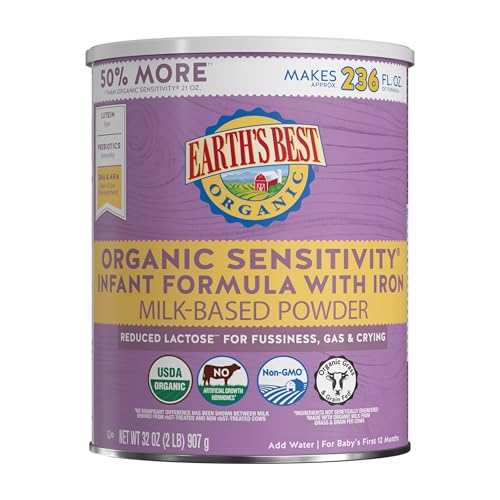
Infant Formula for Lactose Intolerance
A complete buying guide to understanding lactose-free infant formula, identifying symptoms, and choosing the right feeding option for your baby's sensitive digestive system.
START THE GUIDEWhy this guide matters: When your baby shows signs of digestive discomfort after feeding, parents often wonder whether lactose is the culprit. This guide walks you through what lactose intolerance in infants actually means, how lactose-free formulas differ from other specialty options, and what features to prioritize when comparing products. Our goal is to help you move from confusion to a confident, informed decision — one you can discuss with your pediatrician and act on with clarity.
Understanding Lactose Intolerance in Infants
Lactose is a natural sugar found in breast milk and most standard cow's milk-based infant formulas. It provides a valuable source of energy for growing babies. To digest lactose, the body relies on an enzyme called lactase, which breaks the sugar down into simpler forms that can be absorbed.
When lactase activity is insufficient, undigested lactose travels into the large intestine, where it can ferment and draw in water. This process may lead to symptoms such as gas, bloating, abdominal discomfort, loose stools, and general fussiness. In infants, these signs can be subtle and easily confused with other common feeding issues.
Primary vs. Secondary Lactose Intolerance
It is important to distinguish between two broad categories:
- Primary lactose intolerance — a genetic, lifelong reduction in lactase production. This is rare in infants and typically becomes more apparent later in childhood or adulthood.
- Secondary lactose intolerance — a temporary reduction in lactase activity following an intestinal illness, infection, or other irritation of the gut lining. This is more common in babies and often resolves as the digestive tract heals.
Important context: True lactose intolerance is relatively uncommon in healthy full-term infants. Many symptoms attributed to lactose — such as gas, spitting up, and fussiness — can also be caused by sensitive stomach formula needs, feeding technique, reflux, or cow's milk protein allergy. A proper medical evaluation is the safest starting point.
If you are exploring related feeding topics, you may also find our guidance on lactose intolerance in newborns helpful for understanding how symptoms present in the earliest weeks.
How Lactose-Free Formula Works
A lactose-free infant formula is designed to provide complete nutrition while removing or significantly reducing the lactose content. This is typically achieved in one of two ways:
- Enzymatic hydrolysis of lactose — the lactose is pre-digested into glucose and galactose, which are easier to absorb. The formula still contains the same basic milk components but without the intact lactose molecule.
- Replacement of lactose with alternative carbohydrates — some formulas use corn syrup solids, maltodextrin, or other carbohydrate sources in place of lactose.
Most lactose-free formulas retain cow's milk protein as the protein source. This is an important distinction: a lactose-free formula is not the same as a hypoallergenic or extensively hydrolyzed formula, which is designed for cow's milk protein allergy. If your baby's symptoms suggest a protein allergy rather than lactose intolerance, a different product category may be more appropriate.
For parents comparing options across the category, our overview of lactose-free infant formula and the related guide on lactose-free milk powder for infants provide additional context on formulation differences and how to read ingredient labels.
What Lactose-Free Formula Is Not
It is equally important to understand what this category does not address:
- It is not a treatment for cow's milk protein allergy — the protein remains intact in most products.
- It is not a universal solution for colic, reflux, or general fussiness.
- It is not necessarily a permanent feeding choice — many infants use it temporarily during recovery from gastrointestinal illness.
Formula Categories Compared
When navigating the specialty formula aisle, it helps to understand how the different categories relate to one another. The table below outlines the main options and where they fit in terms of formulation complexity and intended use.
| Formula Category | Protein Source | Lactose Content | Best For | Market Tier |
|---|---|---|---|---|
| Standard cow's milk formula | Intact cow's milk protein | Present | Healthy infants without digestive concerns | Entry-level |
| Lactose-free formula | Intact cow's milk protein | Removed or reduced | Confirmed or suspected lactose intolerance with intact protein tolerance | Mid-range |
| Sensitive stomach formula | Partially hydrolyzed protein | Reduced or absent | Mild digestive discomfort, transitional feeding needs | Mid-range |
| Extensively hydrolyzed formula | Extensively broken-down protein | Typically absent | Cow's milk protein allergy, severe intolerance | Premium |
| Amino acid-based formula | Free amino acids | Absent | Severe protein allergy, complex medical needs | Top-tier |
This comparison is not a ranking of quality — each category serves a specific clinical purpose. The right choice depends entirely on your baby's individual needs and your pediatrician's guidance. For a broader view of standard feeding options, see our guide on infant formula and the related article on formula for newborns.
Key Features to Compare Across Products
Once you have a clearer picture of the category, the next step is evaluating individual products. The features below are the most useful comparison points when reviewing labels and product information.
Protein Source and Processing
Check whether the formula uses intact cow's milk protein, partially hydrolyzed protein, or extensively hydrolyzed protein. For lactose-free products, the protein is usually intact — which is fine if lactose is the only concern, but not if a protein allergy is suspected.
Carbohydrate Profile
Look at what replaces the lactose. Common alternatives include glucose syrup solids, maltodextrin, and corn syrup solids. Some parents prefer formulas that use simpler carbohydrate blends, while others are guided by clinical recommendations. There is no universally superior choice — it depends on the baby's tolerance and medical advice.
Added Ingredients and Fortification
Most infant formulas are fortified with iron, which is essential for cognitive development. You may also see added prebiotics, probiotics, DHA, ARA, and nucleotides. These additions vary by product tier and formulation philosophy. Our guide on iron-fortified formula milk explains why this fortification matters for growing infants.
Preparation and Convenience
Formulas come in powder, liquid concentrate, and ready-to-feed formats. Powder is the most common and versatile, while ready-to-feed options reduce preparation steps. Consider your daily routine, travel habits, and sterilization capabilities when comparing formats.
Age Range and Staging
Most specialty formulas are labeled for a specific age range (e.g., 0–12 months). Confirm that the product matches your baby's current stage. Some lactose-free products are also available as follow-on formulas for older infants.
Label-reading tip: If the product claims "lactose-free" or "reduced lactose," check the ingredient list for milk-derived ingredients such as milk solids, whey, or casein. A truly lactose-free formula should not list lactose or milk sugar as an ingredient. If milk protein appears, the product is not suitable for a confirmed protein allergy.
How to Choose the Right Option for Your Baby
Choosing a formula is a decision best made in partnership with your pediatrician. The following framework can help you organize your thinking and prepare for that conversation.
Step 1: Confirm the Symptoms and the Diagnosis
Before switching formulas, document what you are observing — timing of symptoms relative to feeding, stool consistency, gas patterns, and any skin reactions. Bring these notes to your pediatrician. They can help determine whether lactose intolerance is the most likely explanation or whether another cause should be explored.
Step 2: Match the Formula Category to the Diagnosis
- If lactose intolerance is confirmed and protein tolerance is intact, a lactose-free formula is a logical starting point.
- If cow's milk protein allergy is suspected, a hypoallergenic or extensively hydrolyzed formula is more appropriate.
- If symptoms are mild and non-specific, a sensitive stomach formula or a careful review of feeding technique may be a better first step than switching categories abruptly.
Step 3: Introduce Changes Gradually
When your pediatrician approves a switch, transition gradually over several days rather than all at once. This helps you observe tolerance and reduces the chance of digestive upset from a sudden change. Mix the new formula with the old in increasing proportions as tolerated.
Step 4: Monitor and Reassess
Keep a simple feeding log for the first two weeks after a switch. Note stool frequency and consistency, gas, fussiness, and feeding volume. This record is valuable if you need to follow up with your pediatrician or adjust the plan.
If you are also considering how this feeding decision fits into your broader registry and planning, our formula closest to breast milk guide offers a useful comparison for families exploring general feeding options alongside specialty needs.
Practical Feeding Tips for Sensitive Digestion
Formula selection is one piece of the puzzle. Feeding technique and routine can also influence how well your baby tolerates any formula.
- Pace the feeding. Allow pauses and burping breaks during the feed. Overfeeding can amplify gas and discomfort regardless of the formula type.
- Check the nipple flow. A nipple that is too fast or too slow can cause air swallowing or frustration. Match the flow rate to your baby's age and feeding style.
- Follow preparation instructions precisely. Incorrect dilution can affect digestion and nutrition. Use the exact water-to-powder ratio specified on the label.
- Hold your baby upright during feeding. A semi-upright position supports swallowing and reduces reflux.
- Burp proactively. Burp after every few ounces or at natural pauses, not only at the end of the feed.
- Introduce changes one at a time. If you are switching formula and adjusting feeding technique, do them sequentially so you can identify what made a difference.
For families also navigating other feeding-related decisions, our guide on lactose intolerance relief covers additional comfort strategies and when to seek further support.
When to See Your Pediatrician Promptly
Some symptoms require timely medical attention rather than a formula change. Seek prompt advice if your baby shows:
- Blood in the stool or persistent diarrhea
- Signs of dehydration — reduced wet diapers, sunken soft spot, lethargy, or dry mouth
- Poor weight gain or weight loss
- Persistent vomiting (not just typical spit-up)
- Severe abdominal distension or signs of pain
- Feeding refusal or a significant drop in intake
- Any breathing difficulty or swelling, which could indicate an allergic reaction
These signs are not necessarily linked to lactose intolerance and should never be managed by formula switching alone. Always prioritize professional medical evaluation.
Frequently Asked Questions
How do I know if my baby has lactose intolerance?
Common signs include excessive gas, bloating, fussiness during or after feeding, loose or watery stools, and sometimes skin irritation. However, these symptoms can overlap with many other conditions, including cow's milk protein allergy, reflux, and normal newborn digestion. A proper diagnosis from a pediatrician is essential before switching formulas.
Is lactose-free formula the same as soy formula?
No. Lactose-free formula removes or reduces lactose while typically retaining cow's milk protein. Soy formula uses plant-based protein and contains no cow's milk protein or lactose. They serve different purposes and should be selected based on the specific diagnosis and your pediatrician's recommendation.
Can I switch my baby to lactose-free formula without consulting a doctor?
It is strongly recommended to consult your pediatrician first. True lactose intolerance is relatively uncommon in infants, and symptoms may point to other conditions such as cow's milk protein allergy or reflux. A healthcare professional can help identify the right feeding approach and avoid unnecessary formula changes.
How long should a baby stay on lactose-free formula?
The duration depends on the individual baby and the underlying cause. Some infants may only need it temporarily during recovery from an intestinal illness, while others may require it longer. Your pediatrician should guide the timeline and any transition back to standard formula.
Does lactose-free formula taste different?
Because the lactose is broken down into simpler sugars, lactose-free formula can taste slightly sweeter than standard formula. Most babies accept it without difficulty, but a gradual transition can help if your baby is initially hesitant.
Can breastfed babies have lactose intolerance?
Human breast milk is naturally rich in lactose, and true lactose intolerance in a breastfed infant is rare. When breastfed babies show digestive symptoms, the cause is more often related to something else — such as a reaction to proteins in the mother's diet, feeding technique, or normal newborn adjustment. Consult a pediatrician or lactation consultant before making changes.
Ready to Explore Formula Options?
Browse our curated selection of infant formulas designed for sensitive digestive needs. Compare features, read details, and discuss the options with your pediatrician.
Explore Formula Options