Infant Single Grain Cereal: Your Complete Buying Guide
Everything you need to know about choosing the right first cereal for your baby — from rice and oatmeal to barley, plus preparation tips, nutritional insights, and expert advice to help you make a confident decision.
Explore Top PicksWhy Infant Single Grain Cereal Matters for Your Baby's First Solids
The journey into solid foods is one of the most exciting milestones in your baby's first year. Among the very first foods pediatricians often recommend is infant single grain cereal — a gentle, nutrient-fortified introduction to the world of eating. Unlike multi-grain blends that combine several ingredients, single grain cereals focus on one grain at a time, making it easier to identify potential allergies and allowing your baby's digestive system to adapt gradually.
Whether you are a first-time parent navigating the cereal aisle or an experienced caregiver looking for a refresher, understanding the nuances of infant single grain cereal can help you make an informed choice. From rice and oatmeal to barley and multigrain blends, the options can feel overwhelming. This guide breaks down everything you need to know — the types available, the nutritional benefits, how to prepare cereal safely, and what to look for when comparing products at different market tiers.
For parents who are also preparing a full feeding station, you may want to explore our guide to infant formula to complement your cereal choices, or browse infant bouncers to keep your little one comfortable during mealtime routines.
What Exactly Is Infant Single Grain Cereal?
Infant single grain cereal is a baby food product made from one type of grain — most commonly rice, oatmeal, or barley — that has been finely milled and fortified with essential nutrients like iron, zinc, and B vitamins. It is designed to be mixed with breast milk, formula, or water to create a soft, spoonable consistency that is easy for babies to swallow and digest.
The key distinction between single grain and multi-grain cereal is simplicity. By introducing one grain at a time, parents can monitor for allergic reactions or sensitivities more effectively. Pediatricians often recommend starting with single grain cereals between 4 and 6 months of age, depending on your baby's developmental readiness. Signs of readiness include good head and neck control, the ability to sit upright with support, and a natural interest in food.
The Three Main Types of Single Grain Cereal
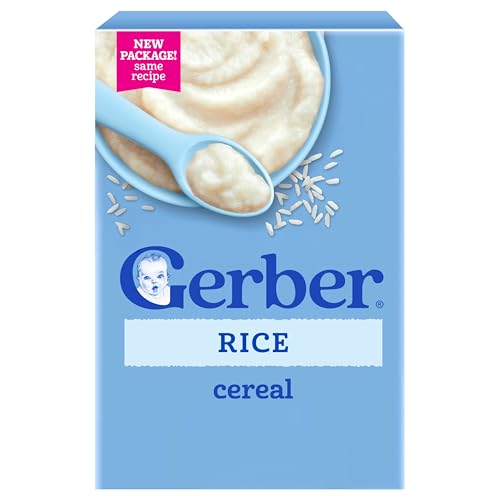
- Rice Cereal: The most traditional first food, known for its mild flavor, smooth texture, and easy digestibility. It is often the first cereal pediatricians suggest, though some parents now prefer oatmeal for its added fiber.
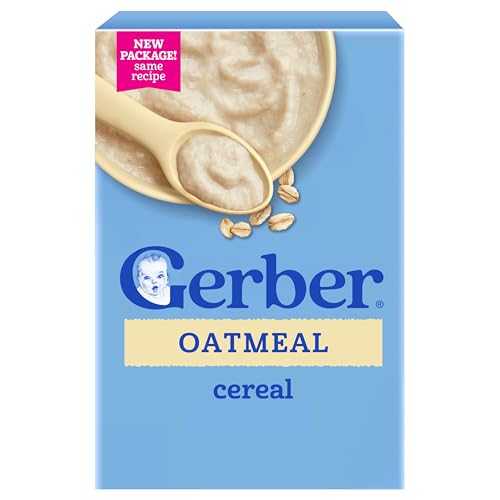
- Oatmeal Cereal: Slightly more textured than rice, oatmeal offers more fiber and a heartier consistency. It is a popular choice for babies who are ready for a bit more substance in their meals.
- Barley Cereal: A lesser-known but highly nutritious option, barley cereal provides a wholesome grain flavor and a different nutrient profile. It is often introduced after rice and oatmeal to broaden your baby's palate.
If you are exploring iron-fortified options specifically, you may also find our guide to iron-fortified infant rice cereal helpful for understanding why this nutrient matters so much during the first year.
Key Benefits of Choosing Single Grain Cereal
Single grain cereals are more than just a convenient first food — they offer several developmental and nutritional advantages that support your baby's growth during a critical window.
🩺 Allergy-Friendly Introduction
Using one grain at a time makes it easier to spot any allergic reactions or sensitivities, giving you clarity and peace of mind.
🧠 Iron-Fortified for Brain Development
Most infant cereals are fortified with iron, a nutrient essential for cognitive development and healthy growth after 6 months.
🥣 Easy to Digest
Finely milled grains are gentle on a baby's immature digestive system, reducing the risk of tummy upset.
🍼 Versatile Mixing Options
Can be mixed with breast milk, formula, or water, allowing you to tailor the flavor and consistency to your baby's preference.
Many parents find that single grain cereal pairs well with iron-fortified formula milk or iron-fortified infant cereal to ensure their baby receives adequate iron during this transitional phase.
How to Compare Infant Single Grain Cereals: A Tier-Based Approach
When browsing the baby food aisle or shopping online, infant single grain cereals can be grouped into three broad tiers based on their formulation, ingredient sourcing, and additional features. Understanding these tiers helps you match your choice to your baby's needs and your personal priorities.
| Tier | Best For | Typical Characteristics | Key Considerations |
|---|---|---|---|
| Essential Tier | Parents seeking straightforward, reliable nutrition | Basic single grain formulation, iron-fortified, minimal added ingredients | Good value for its tier; focuses on core nutritional needs without extras |
| Balanced Tier | Parents who want added nutritional benefits | Organic options, added probiotics or DHA, smoother texture | Feature-rich for its class; competitive within the mid-range segment |
| Top-Tier | Parents prioritizing premium ingredients and sourcing | Certified organic, non-GMO, single-origin grains, enhanced nutrient profiles | Premium materials; well-specified for the category; long-term investment in quality |
What to Look for When Comparing Products
- Fortification: Ensure the cereal is fortified with iron, zinc, and B vitamins — especially if your baby is breastfed beyond 6 months.
- Ingredient List: Shorter is often better. Look for minimal additives and avoid unnecessary sugars or flavorings.
- Certifications: Organic, non-GMO, and other certifications can indicate higher standards of production, though they may not be essential for every family.
- Texture and Mixability: Finer milling creates a smoother texture that is easier for beginners. Check user reviews for comments on clumping or ease of mixing.
- Packaging: Resealable containers or single-serve packets can help maintain freshness and convenience.
If you are also exploring related feeding products, our guides to infant formula for newborns and infant formula for sensitive stomachs offer complementary information for building a complete feeding plan.
How to Prepare Infant Single Grain Cereal Safely
Proper preparation is just as important as choosing the right product. Follow these steps to ensure a safe and pleasant feeding experience:
- Wash your hands thoroughly before handling any feeding equipment or food.
- Measure accurately: Use the ratio recommended on the package as a starting point. Begin with a thinner consistency (more liquid) and gradually thicken as your baby becomes more comfortable.
- Choose your liquid: Breast milk, formula, or water all work. Using breast milk or formula adds familiar flavor and extra nutrition.
- Mix well: Stir until smooth and lump-free. Let the cereal sit for a minute to absorb the liquid fully before serving.
- Test the temperature: The cereal should be lukewarm or room temperature — never hot. Test a small amount on your wrist before feeding.
- Discard leftovers: Any cereal that has been in contact with your baby's mouth should be discarded after the feeding to prevent bacterial growth.
For a complete mealtime setup, consider pairing cereal feeding with infant chairs for sitting up to ensure your baby is properly supported and safe during meals.
Complementary Products for Your Feeding Journey
Preparing for solids involves more than just cereal. Here are some related guides that can help you build a complete and safe feeding environment for your little one:
- Infant formula most like breast milk — for parents supplementing or transitioning from breastfeeding.
- Lactose-free infant formula — a useful resource if your baby shows signs of lactose sensitivity.
- Infant play yard — a safe space for your baby to explore and play before and after mealtimes.
- Infant changing pad — because mealtime messes happen, and a comfortable changing station is a nursery essential.
Frequently Asked Questions About Infant Single Grain Cereal
When should I introduce infant single grain cereal?
Which single grain cereal is best for a baby's first food?
How do I prepare infant single grain cereal?
Is iron-fortified cereal necessary for infants?
Can I mix single grain cereal with fruit or other foods?
Ready to find the right infant single grain cereal for your baby? Explore our recommended products below, carefully selected to support your little one's first feeding journey.
View Recommended Cereals