
Infant Formula Similar to Breast Milk
Explore the science behind breast milk composition and discover which infant formulas come closest to matching it. Compare protein profiles, carbohydrates, fats, and key nutrients to make an informed choice for your baby.
Understanding Breast Milk Composition
Breast milk is a living fluid that adapts to your baby's changing needs. It contains a complex blend of proteins, carbohydrates, fats, vitamins, minerals, enzymes, and immune factors that work together to support growth and development. Understanding this composition helps you evaluate which infant formula might be the closest match.
The Major Components of Breast Milk
Breast milk consists primarily of water, followed by carbohydrates (mainly lactose), fats, and proteins. The protein composition is particularly important: breast milk contains a whey-to-casein ratio of approximately 60:40 in early milk, shifting to about 50:50 in mature milk. Whey proteins are easier to digest and include important immune factors like immunoglobulins and lactoferrin.
Beyond macronutrients, breast milk contains human milk oligosaccharides (HMOs), which are complex carbohydrates that feed beneficial gut bacteria. It also includes essential fatty acids like DHA and ARA, which support brain and eye development, along with nucleotides, choline, and various vitamins and minerals.
Key insight: No infant formula can perfectly replicate breast milk. However, many modern formulas are designed to closely mimic its nutritional profile, particularly in protein composition, carbohydrate sources, and fatty acid content.
Key Similarities to Look For
When evaluating infant formula closest to breastmilk, several characteristics stand out as markers of a closer match. These include the protein profile, the type of carbohydrates used, the presence of prebiotics and probiotics, and the fatty acid composition.
Protein Composition
Formulas with a whey-dominant protein profile (similar to early breast milk) tend to be easier for newborns to digest. Partially hydrolyzed whey proteins are broken down into smaller peptides, which may be gentler on a baby's immature digestive system. Some premium formulas use a 60:40 whey-to-casein ratio to mirror breast milk more closely.
Carbohydrate Sources
Lactose is the primary carbohydrate in breast milk and remains the gold standard for infant formula. Formulas that use lactose as the sole carbohydrate source are generally considered closer to breast milk than those that include alternative sweeteners like corn syrup solids or maltodextrin.
Prebiotics and Probiotics
Human milk oligosaccharides (HMOs) are unique to breast milk, but some formulas include prebiotic fibers like GOS (galacto-oligosaccharides) and FOS (fructo-oligosaccharides) to support gut health. A few advanced formulas now include specific HMO structures like 2'-FL (2'-fucosyllactose), which is the most abundant HMO in human milk.
For babies with sensitive digestive systems, you may also want to explore infant formula for sensitive stomachs as a complementary consideration.
Protein Profiles Explained
The protein profile is one of the most significant factors in determining how closely a formula resembles breast milk. There are three main categories of protein used in infant formula:
Intact Cow's Milk Protein (Standard Formulas)
These formulas use whole milk proteins with a whey-to-casein ratio adjusted to mimic breast milk. They are the most common type and are suitable for most healthy infants. The protein molecules are larger and require more digestive effort.
Partially Hydrolyzed Protein (Gentle Formulas)
The proteins are broken down into smaller peptides through a process called hydrolysis. This makes digestion easier and may reduce the risk of certain allergic reactions. These formulas are often marketed as "gentle" or "comfort" options and are a solid choice for babies with mild digestive sensitivity.
Extensively Hydrolyzed Protein (Hypoallergenic Formulas)
These formulas contain proteins that are broken down even further, making them suitable for babies with milk protein allergies. They are a top-tier option for infants with confirmed sensitivities, though they are not typically necessary for general use.
For parents exploring alternatives for lactose-sensitive babies, infant formula for lactose intolerance offers specialized options that address specific digestive needs.
Carbohydrate Sources in Infant Formula
Lactose is the carbohydrate found naturally in breast milk and is the preferred source in infant formula. It provides energy and supports the absorption of calcium and other minerals. Formulas that list lactose as the first or only carbohydrate source are generally considered closer to breast milk.
Some formulas include alternative carbohydrates such as:
- Maltodextrin: A starch-derived carbohydrate that is easy to digest but does not match breast milk's carbohydrate profile.
- Corn syrup solids: Used in some standard and sensitive formulas, though less similar to breast milk than lactose.
- Sucrose: Rarely used in infant formula and not recommended for routine use.
If you are looking for a formula for a newborn, infant formula for newborn guides often emphasize lactose-based options as the closest match to early breast milk.
Fat Blends and DHA/ARA
Fats are crucial for brain development and energy. Breast milk contains a mix of saturated, monounsaturated, and polyunsaturated fats, including important long-chain fatty acids like DHA (docosahexaenoic acid) and ARA (arachidonic acid). Most modern infant formulas now include these fatty acids, often sourced from algae or fish oil.
When comparing formulas, look for those that specify the source and amount of DHA and ARA. Some premium formulas also include additional fat blends that more closely mimic the triglyceride structure of breast milk, which may improve absorption.
Did you know? The fat content in breast milk changes throughout the day and even during a single feeding. While formula cannot replicate this variability, many high-end tier formulas include fat blends designed to support optimal absorption and development.
Specialty Formula Options
Beyond standard formulas, there are several specialty options designed for specific needs. These include formulas for lactose sensitivity, milk protein allergies, and premature infants. Understanding these categories can help you make a more informed choice.
For babies with lactose-related concerns, lactose-free infant formula provides an alternative that removes lactose while still delivering essential nutrients. Similarly, infant formula for sensitive stomachs may be worth exploring if your baby shows signs of digestive discomfort with standard formulas.
If you are considering a formula that is most like breast milk, infant formula most like breast milk offers a deeper comparison of specific products and their similarities to human milk.
Formula Comparison Overview
The table below provides a high-level comparison of formula categories based on their similarity to breast milk. This overview is designed to help you understand the landscape before diving into specific product research.
| Formula Category | Protein Profile | Carbohydrate Source | Closest to Breast Milk | Best For |
|---|---|---|---|---|
| Standard whey-dominant | Intact protein, 60:40 whey:casein | Lactose | High similarity | Most healthy newborns |
| Partially hydrolyzed (gentle) | Broken-down peptides | Lactose or lactose-free | Moderate similarity | Babies with mild sensitivity |
| Extensively hydrolyzed | Extensively broken-down protein | Lactose-free or sucrose-free | Lower similarity | Milk protein allergy |
| HMO-enriched | Whey-dominant, intact or partially hydrolyzed | Lactose with added HMOs | Very high similarity | Parents seeking advanced gut support |
| Lactose-free | Intact protein | Corn syrup solids or maltodextrin | Lower similarity in carbs | Lactose intolerance |
For a more detailed breakdown of specific product categories, explore infant formula guides that cover additional considerations.
How to Choose the Right Formula
Choosing a formula that is similar to breast milk involves balancing your baby's individual needs with the nutritional profile of each product. Here are some practical steps to guide your decision:
- Consult your pediatrician: Before making any changes to your baby's feeding routine, speak with your healthcare provider. They can help you identify any specific dietary concerns and recommend appropriate options.
- Review the ingredient list: Look for formulas that list lactose as the primary carbohydrate and whey protein as the dominant protein source. These are strong indicators of a breast milk-like composition.
- Check for DHA and ARA: These fatty acids are important for brain and eye development. Most standard formulas now include them, but it's worth confirming on the label.
- Consider prebiotics and probiotics: Formulas that include GOS, FOS, or HMOs may support gut health in ways that more closely mimic breast milk.
- Test for tolerance: Every baby is different. What works well for one may not work for another. Introduce any new formula gradually and monitor for signs of discomfort.
If your baby has specific dietary needs, such as lactose sensitivity, you may want to explore infant formula for lactose intolerance or lactose-free infant formula as alternatives.
Ready to Compare Options?
Explore our curated selection of infant formulas designed to closely match breast milk. Find the right fit for your baby's nutritional needs.
View Recommended FormulasFrequently Asked Questions
Is there an infant formula that is exactly like breast milk?
No infant formula can exactly replicate breast milk. Breast milk contains living cells, antibodies, and a dynamic composition that formula cannot fully match. However, many modern formulas are designed to closely mimic the nutritional profile of breast milk, particularly in protein composition, carbohydrate sources, and fatty acid content.
What makes a formula closer to breast milk?
Formulas that use lactose as the primary carbohydrate, have a whey-dominant protein profile, include DHA and ARA, and contain prebiotics or HMOs are generally considered closer to breast milk. The whey-to-casein ratio is also an important factor.
Should I switch formulas if my baby seems fussy?
Fussiness can have many causes, and switching formulas should be done with guidance from your pediatrician. If you suspect a formula intolerance, your healthcare provider can help you determine whether a different type of formula, such as a partially hydrolyzed or lactose-free option, might be appropriate.
What are HMOs and why do they matter?
Human milk oligosaccharides (HMOs) are complex carbohydrates found in breast milk that feed beneficial gut bacteria. Some advanced formulas now include specific HMOs like 2'-FL to support gut health and immune development, making them a closer match to breast milk.
Can I mix breastfeeding and formula feeding?
Yes, many parents combine breastfeeding and formula feeding. This is often called combination feeding. If you choose to do this, a formula that closely resembles breast milk can help ease the transition and provide consistent nutrition. Always consult your pediatrician for personalized advice.
Recommended Infant Formulas Similar to Breast Milk
⚠️ AFFILIATE DISCLOSURE: This website contains affiliate links. As an Amazon Associate, we earn from qualifying purchases. If you make a purchase through these links, we may receive a small commission at no additional cost to you. Read our full affiliate policy.

Similac Advance Baby Formula Powder With Iron, Inspired by Breast Milk | Nutritionally Complete Infant Formula for Babies, Support for Brain & Eye Development, Easy to Digest, 30.8 oz value-size can
Check price on Amazon
Similac 360 Total Care Made With Whole Milk, Ready-to-Feed Baby Formula | Only infant formula made with whole milk & an exclusive blend of 5 immune-nourishing prebiotics in 2-fl-oz bottles, 12 pack
Check price on Amazon
Similac 360 Total Care Baby Formula Powder, 5 HMO Prebiotics | Infant formula to support baby’s immune system, language & social development & digestive health, in one 20.6-oz tub
Check price on Amazon
Similac Irish Farms Baby Formula Powder, Made in Europe, 24.7 oz Can | Easy-to-digest infant formula for babies that starts with fresh milk from cows in Ireland
Check price on Amazon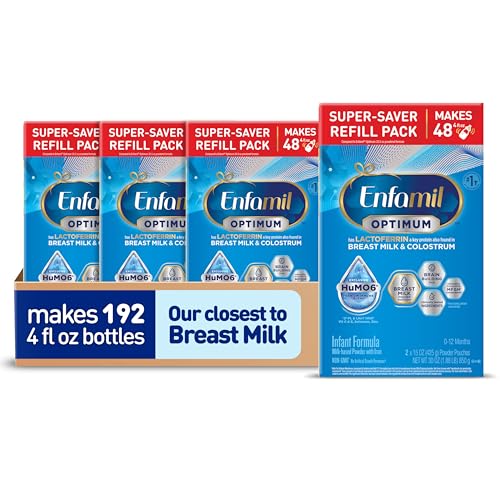
Enfamil Optimum Baby Formula Has Immune-Supporting Lactoferrin, 30 Oz, 4CT | Our Closest Infant Formula to Breast Milk, Immune-Supporting Lactoferrin and Brain-Building DHA, Dual Prebiotic HMO blend
Check price on Amazon
Enfamil Optimum Baby Formula Has Immune-Supporting Lactoferrin, 20.5Oz | Our Closest Infant Formula to Breast Milk, Immune-Supporting Lactoferrin and Brain-Building DHA, Dual Prebiotic HMO blend
Check price on Amazon
Similac 360 Total Care Sensitive Baby Formula Powder, 5 HMO Prebiotic Blend | Infant Formula for Babies with Lactose Sensitivity Immune System, Brain Development & Digestive Health Support, 20.1 oz tub
Check price on Amazon