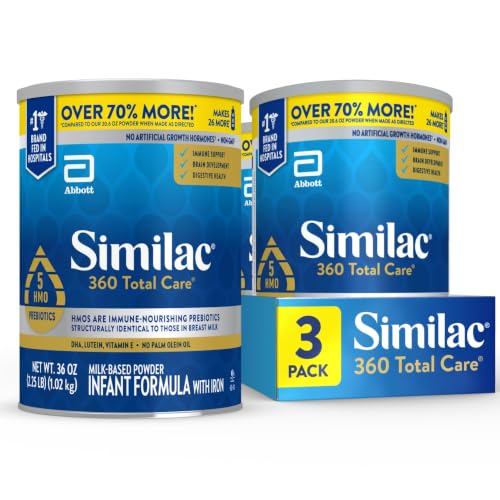
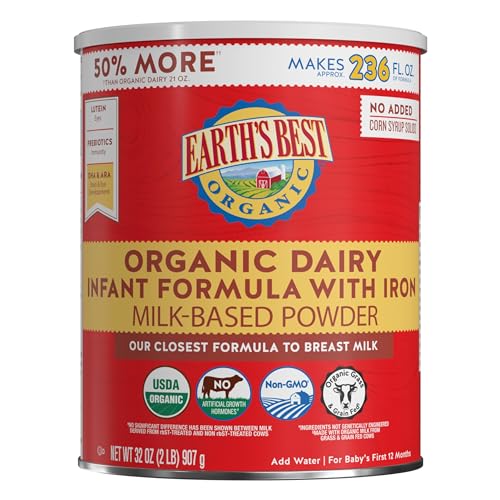
Infant Formula Most Like Breast Milk
Your complete guide to understanding which formulas come closest to breast milk, how to compare ingredients, and how to choose the right option for your baby's nutritional needs.
Explore Formula TypesWhy this matters: When breastfeeding isn't possible or when you need to supplement, finding an infant formula similar to breast milk can feel overwhelming. Breast milk is a complex living fluid with antibodies, enzymes, and dynamic nutritional components. While no formula can perfectly replicate it, modern infant formulas have come remarkably close by mimicking key nutritional profiles. This guide breaks down what to look for, which ingredients matter most, and how different formula types compare so you can make a confident, informed decision.
What Makes Breast Milk Unique?
Breast milk is often called the gold standard of infant nutrition because it adapts to your baby's needs in real time. It contains a dynamic mix of proteins, fats, carbohydrates, vitamins, minerals, and bioactive compounds that support immune function, digestion, and brain development. Key components include:
- Human milk oligosaccharides (HMOs): Prebiotic fibers that feed beneficial gut bacteria and support immune defenses.
- Whey and casein proteins: Easily digestible proteins in a ratio that changes as your baby grows.
- Nucleotides: Building blocks for DNA and RNA that support immune and digestive health.
- Long-chain polyunsaturated fatty acids (LCPUFAs): Including DHA and ARA, essential for brain and eye development.
- Immunoglobulins and live enzymes: Active compounds that help fight infection and aid digestion.
Understanding these components helps you evaluate which infant formula options are engineered to come closest to this natural blueprint.
Formula Types Explained
Infant formulas fall into several categories, each with different protein structures and ingredient profiles. The table below compares the main types to help you understand which might be most similar to breast milk for your baby.
| Formula Type | Protein Structure | Best For | Tier |
|---|---|---|---|
| Partially Hydrolyzed Formula | Proteins broken into smaller peptides for easier digestion | Babies with mild digestive sensitivity or as a preventive option | Mid-range to premium |
| Extensively Hydrolyzed Formula | Proteins extensively broken down, nearly hypoallergenic | Babies with milk protein allergies or severe sensitivity | Premium to luxury |
| Amino Acid-Based Formula | Free amino acids, no intact proteins | Severe allergies or malabsorption issues | Luxury tier |
| Standard Cow's Milk Formula | Intact cow's milk proteins with added nutrients | Most healthy, full-term infants | Entry-level to mid-range |
| Soy-Based Formula | Plant-based protein from soy | Babies with lactose intolerance or galactosemia | Mid-range |
For most families looking for an infant formula most like breast milk, partially hydrolyzed formulas with added prebiotics, probiotics, and nucleotides are often the closest match. These formulas break down proteins to mimic the easy digestibility of breast milk while adding immune-supporting compounds. If your baby has a confirmed allergy, extensively hydrolyzed or amino acid-based options may be necessary—consult your pediatrician first.
Key Ingredients That Mimic Breast Milk
DHA & ARA
Long-chain fatty acids critical for brain and eye development. Most premium formulas include these at levels inspired by breast milk. Look for formulas that specify algal or fungal sources for purity.
Prebiotics (GOS/FOS)
Galacto-oligosaccharides and fructo-oligosaccharides feed beneficial gut bacteria, supporting digestive health and immune function similar to breast milk's HMOs.
Nucleotides
These compounds support immune system development and are naturally present in breast milk. Formulas with added nucleotides help bridge the gap.
Probiotics (L. reuteri)
Live beneficial bacteria that can support gut health and reduce colic symptoms. Some premium formulas include specific strains studied for infant use.
Whey-to-Casein Ratio
Breast milk has a higher whey ratio, which is easier to digest. Partially hydrolyzed formulas often adjust this ratio to be closer to breast milk's profile.
MFGM (Milk Fat Globule Membrane)
A component of milk fat that contains bioactive proteins and lipids. Some high-end tier formulas include MFGM to more closely mimic breast milk's fat structure.
How to Choose the Right Formula for Your Baby
Selecting an infant formula for newborn use requires balancing ingredient quality, your baby's tolerance, and your family's preferences. Follow these steps:
- Consult your pediatrician: Always start here, especially if your baby has any health concerns or family history of allergies.
- Start with a standard or partially hydrolyzed formula: For most healthy babies, a mid-range partially hydrolyzed formula offers a good balance of digestibility and nutritional completeness.
- Watch for tolerance signs: Spit-up, gas, fussiness, or rash may indicate your baby needs a different type, such as a formula for sensitive stomachs or a lactose-free option.
- Check for added nutrients: Prioritize formulas with DHA, ARA, prebiotics, and nucleotides if your goal is to mirror breast milk as closely as possible.
- Transition gradually: Mix formula with breast milk over several days to help your baby adjust to the new taste and texture.
Special Considerations
Some babies have specific needs that require tailored formula choices. If your baby shows signs of lactose intolerance, a lactose-free infant formula or formula for lactose intolerance may be appropriate. For babies with a family history of allergies, a gentle or sensitive formula can be a proactive choice. Always confirm with your pediatrician before switching formula types, especially if you suspect an allergy.
If you're also exploring other feeding and care essentials, our guides on lactation consultant-recommended bottles and formula closest to breast milk can help you build a complete feeding setup.
Frequently Asked Questions
What infant formula is most like breast milk?
Partially hydrolyzed formulas with prebiotics, nucleotides, and DHA/ARA are generally considered the closest match because they break down proteins for easier digestion while adding immune-supporting compounds. Extensively hydrolyzed formulas are closer in protein structure but are typically reserved for babies with allergies.
Is formula with added probiotics better for my baby?
Probiotics can support gut health and immune function, but not all babies need them. If your baby has colic or digestive issues, a formula with L. reuteri may help. Always consult your pediatrician before choosing a probiotic formula.
How do I transition my baby from breast milk to formula?
Gradually mix formula with breast milk over several days, starting with a small ratio of formula and increasing it slowly. This helps your baby adjust to the taste and reduces the risk of digestive upset. Watch for signs of intolerance and consult your pediatrician if needed.
Does the type of protein matter in infant formula?
Yes. Breast milk has a higher whey-to-casein ratio, which is easier to digest. Partially hydrolyzed formulas adjust protein structure and ratio to be gentler on a baby's digestive system. Standard formulas use intact proteins that most babies tolerate well, but sensitive babies may benefit from hydrolyzed options.
Ready to Find Your Baby's Perfect Formula?
Explore our recommended infant formulas that closely mimic breast milk, with options for every tier and feeding need.
View Recommended Formulas