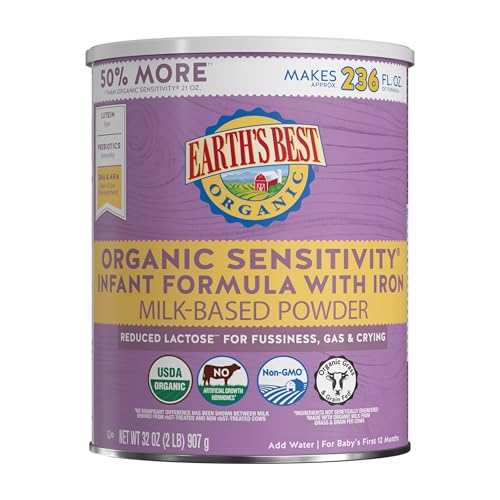
Formula for Sensitive Stomach: A Complete Guide for Parents
If your baby experiences gas, fussiness, or mild feeding discomfort, sensitive formula may help. Learn how to choose the right option with confidence.
START THE GUIDEWhy this guide matters: Digestive discomfort is one of the most common reasons parents switch infant formulas. This guide explains how formula for sensitive stomach works, which ingredients to look for, and how to decide if it is the right fit for your baby — all in clear, practical terms.
What Is Formula for Sensitive Stomach?
Formula for sensitive stomach is a category of infant formula designed to be easier on a baby's digestive system. Unlike standard cow's milk-based formulas, sensitive formulas typically use partially hydrolyzed proteins, reduced lactose, or a combination of gentle ingredients. These modifications help break down proteins into smaller pieces that are simpler for a baby's immature digestive tract to process.
This type of formula is not the same as hypoallergenic formula. Sensitive formulas are aimed at mild digestive comfort, while hypoallergenic options are formulated for babies with diagnosed milk protein allergies. If you suspect a true allergy, a pediatrician should guide you toward an appropriate extensively hydrolyzed infant formula or a specialized formula for milk protein allergy.
Signs Your Baby May Benefit from Sensitive Formula
Babies are individual, and occasional gas or spit-up is normal. However, if you notice a consistent pattern of the following signs, it may be worth discussing sensitive formula with your pediatrician:
- Frequent gas and bloating after feeding
- Fussiness or crying during and after feedings
- Excessive spit-up or mild reflux
- Loose stools or mild constipation
- General feeding discomfort that does not improve with burping or positioning
These signs can also point to other conditions, so a professional evaluation is always the safest first step. If your baby has been diagnosed with a milk allergy, learn more about the differences between formula for milk allergy and standard sensitive formulas.
Key Ingredients to Look For
Understanding what goes into sensitive formula helps you compare options more confidently. Here are the ingredients that matter most:
- Partially hydrolyzed proteins: Proteins broken into smaller fragments for easier digestion.
- Reduced lactose: Lower lactose levels can help babies who have mild lactose sensitivity.
- Prebiotics and probiotics: Some formulas include these to support a healthy gut microbiome.
- Added iron: Iron is an essential nutrient for infant development and should be present in any infant formula.
- DHA and ARA: Important fatty acids that support brain and eye development.
If your baby has a known milk protein allergy, a milk allergy formula may be more appropriate than a standard sensitive option. For babies who simply prefer a familiar taste, a formula milk closest to breast milk taste can make the transition smoother.
How Sensitive Formula Compares Across Tiers
Infant formulas vary widely in their formulation and position in the market. The table below uses universal quality descriptors rather than any specific figures, so you can compare options by category and intended use.
| Tier | Best For | Typical Characteristics |
|---|---|---|
| Essential tier | Mild gas and occasional fussiness | Standard sensitive formulas with reduced lactose and partially hydrolyzed proteins; a solid choice for the tier. |
| Balanced tier | Regular digestive comfort and daily feeding | Includes prebiotics or probiotics, DHA and ARA, and a well-specified ingredient profile for the category. |
| High-end tier | More pronounced sensitivity or pediatrician guidance | Advanced protein breakdown, carefully selected carbohydrate blends, feature-rich for its class. |
| Specialized tier | Diagnosed allergies or medically directed feeding | Extensively hydrolyzed or amino acid-based formulas, often professional-grade in formulation. |
In general, balanced tier and high-end tier options tend to offer more refined protein breakdown than essential tier formulas. However, the right choice depends on your baby's individual needs and your pediatrician's recommendation.
When to Choose a More Specialized Formula
Sensitive formula is not the right path for every baby. If your baby has been diagnosed with a milk protein allergy, shows signs of an allergic reaction such as hives or blood in the stool, or does not improve on a sensitive formula, a more specialized option may be required. A formula for milk allergy or an extensively hydrolyzed infant formula is typically recommended in these cases under medical supervision.
For babies transitioning to solid foods alongside formula, an iron-fortified infant cereal or iron-fortified infant rice cereal can complement the feeding routine. A formula with rice cereal already added is another option some parents consider for babies who need a thicker feed.
Practical Tips for Switching Formulas
If you and your pediatrician decide to try sensitive formula, the transition itself matters. Consider these practical tips:
- Introduce gradually: Mix a small portion of the new formula with the current one over several days to help your baby adjust.
- Watch for changes: Pay attention to stool consistency, gas, and overall comfort during the transition.
- Give it time: It can take a week or more to see how your baby responds to a new formula.
- Avoid frequent switching: Constantly changing formulas can make it hard to identify what works.
- Follow preparation instructions: Always follow the manufacturer's guidance on mixing and storage to ensure safety.
If bottle-feeding is part of your routine, check out our guides on extra slow flow bottles for newborns and essentials for breastfeeding to support a comfortable feeding experience.
Supporting Your Baby's Digestion Beyond Formula
Formula choice is one piece of the puzzle. Burping your baby regularly, holding them upright for 20 to 30 minutes after feeding, and avoiding overfeeding can all reduce digestive discomfort. For babies who are starting solids, an iron-fortified infant cereal can be introduced as part of a balanced feeding plan.
If your baby is also experiencing diaper rash linked to digestive changes, a doctor-recommended diaper rash cream can help soothe and protect delicate skin.
Frequently Asked Questions
What is formula for sensitive stomach?
Formula for sensitive stomach is specially designed infant formula that uses partially or extensively hydrolyzed proteins, reduced lactose, and gentle ingredients to ease digestion for babies who experience gas, fussiness, or mild feeding discomfort.
How do I know if my baby needs sensitive formula?
Signs include excessive gas, frequent spit-up, fussiness during or after feeding, and mild diarrhea or constipation. Always consult your pediatrician before switching formulas to rule out other conditions.
Is sensitive formula the same as hypoallergenic formula?
No. Sensitive formula typically uses partially hydrolyzed proteins for mild digestive comfort, while hypoallergenic formula uses extensively hydrolyzed or amino acid-based proteins for babies with diagnosed milk protein allergies.
Can I switch formulas without talking to my pediatrician?
It is strongly recommended to consult your pediatrician before switching formulas, especially if your baby shows signs of an allergy or persistent digestive issues. A healthcare professional can help identify the right type of formula.