Formula for Milk Allergy: A Complete Guide for Parents
Navigate the world of hypoallergenic formulas, understand cow's milk protein allergy, and find the best feeding solution for your baby's health and comfort.
SEE RECOMMENDED FORMULASUnderstanding Milk Allergy in Infants: Approximately 2-3% of infants experience cow's milk protein allergy (CMPA), making it one of the most common food allergies in early childhood. Recognizing the symptoms early and choosing the right formula for milk allergy can significantly improve your baby's comfort, growth, and overall well-being.
What is Cow's Milk Protein Allergy (CMPA)?
Cow's milk protein allergy occurs when a baby's immune system overreacts to proteins found in cow's milk. This is different from lactose intolerance, which is a digestive issue. CMPA can cause a range of symptoms that affect the skin, digestive system, and respiratory tract. Recognizing these signs early is crucial for managing your baby's health.
Common Symptoms of CMPA
- Skin Reactions: Eczema, hives, or red rash, especially around the mouth
- Digestive Issues: Frequent spitting up, vomiting, diarrhea, constipation, or blood in stool
- Respiratory Problems: Runny nose, wheezing, or difficulty breathing
- Behavioral Signs: Excessive fussiness, crying, colic, or poor sleep
- Growth Concerns: Poor weight gain or failure to thrive
If you observe any of these symptoms, consult your pediatrician immediately. Never change your baby's formula without medical guidance.
Types of Formula for Milk Allergy
Not all formulas are created equal when it comes to managing milk allergies. Understanding the different types available can help you and your pediatrician make the best choice for your baby's needs.
Three Main Types of Hypoallergenic Formula
- Extensively Hydrolyzed Formula: These formulas contain proteins that have been broken down into smaller pieces, making them less likely to trigger an allergic reaction. Brands like Nutramigen and Alimentum fall into this category. They are often the first line of defense for babies with mild to moderate CMPA.
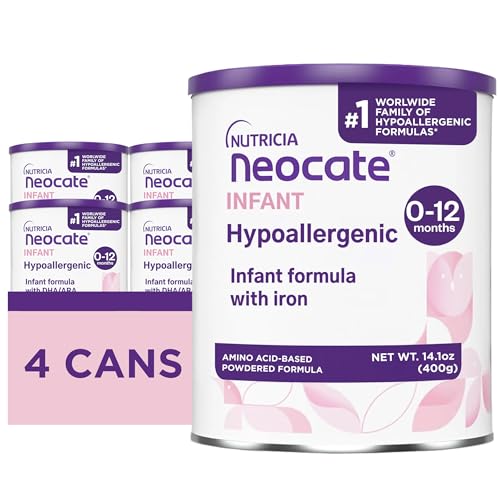
- Amino Acid-Based Formula: For severe cases where extensively hydrolyzed formulas aren't effective, amino acid-based formulas (like EleCare and Neocate) are the gold standard. They contain proteins broken down into their simplest form – amino acids – which are virtually non-allergenic.
- Soy-Based Formula: While soy formulas are an alternative, many babies with CMPA also have a soy allergy. Soy formula should only be considered under a doctor's supervision.
Formula Comparison: Which One is Right for Your Baby?
Choosing the right formula for milk allergy can be overwhelming. Here's a detailed comparison to help you understand the differences between each type.
| Feature | Extensively Hydrolyzed | Amino Acid-Based | Soy-Based |
|---|---|---|---|
| Protein Breakdown | Partially broken down | Completely broken down (amino acids) | Whole soy protein |
| Best For | Mild to moderate CMPA | Severe CMPA, multiple allergies | Milk allergy only (if no soy allergy) |
| Allergen Risk | Low risk | Virtually non-allergenic | High risk (cross-reactivity with milk) |
| Average Price (per can) | $35 - $45 | $50 - $60 | $25 - $35 |
| Common Brands | Nutramigen, Alimentum | EleCare, Neocate | Similac Soy, Enfamil ProSobee |
How to Transition Your Baby to a Hypoallergenic Formula
Switching formulas, especially for a baby with a milk allergy, requires patience and careful observation. Always transition under the guidance of your pediatrician. Here's a general approach that many parents find helpful.
- Start Slowly: Begin by replacing one feeding per day with the new formula. Gradually increase over 3-5 days.
- Monitor Symptoms: Keep a diary of your baby's reactions, including skin changes, digestive patterns, and mood.
- Be Patient: It can take up to 2-4 weeks to see the full benefits of the new formula. Some babies may even take up to 6 weeks.
- Check with Your Pediatrician: If your baby experiences severe reactions, contact your doctor immediately.
For some parents, managing a baby's dietary needs can be challenging. If your baby is also starting solids, you may need to be cautious about introducing new foods. Learn more about starting solids guide for babies with allergies.
Understanding the Cost of Hypoallergenic Formula
One of the biggest concerns for parents is the cost of specialized formulas. Hypoallergenic and amino acid-based formulas are significantly more expensive than standard formulas. However, there are ways to manage these costs and ensure your baby gets the nutrition they need.
The price of extensively hydrolyzed formulas typically ranges from $35 to $45 per can, while amino acid-based formulas can cost between $50 and $60 per can. Given that a baby may consume up to 30 ounces per day, this can add up quickly. Many families spend over $200 per month on formula.
Here's how you can manage the cost:
- Insurance Coverage: Many insurance plans cover the cost of hypoallergenic formula if prescribed by a doctor. Check with your insurance provider.
- Manufacturer Programs: Brands like Enfamil and Similac offer assistance programs for families in need.
- Generic Options: Some store brands offer hypoallergenic options at a lower price point.
- WIC Program: The Special Supplemental Nutrition Program for Women, Infants, and Children (WIC) often covers specialized formulas.
Frequently Asked Questions About Formula for Milk Allergy
What is the best formula for milk allergy?
The best formula for milk allergy depends on the severity. Extensively hydrolyzed formulas like Nutramigen or Alimentum are often recommended, while amino acid-based formulas like EleCare or Neocate are for severe cases. Always consult your pediatrician.
What are the signs of a milk allergy in babies?
Common signs include eczema, hives, vomiting, diarrhea, blood in stool, fussiness, and poor weight gain. If you notice these symptoms, consult your pediatrician immediately.
Is soy formula safe for babies with milk allergy?
While soy formula is an option, many babies with cow's milk protein allergy also react to soy protein. Your pediatrician may recommend extensively hydrolyzed or amino acid-based formulas instead.
How long does it take for a milk allergy formula to work?
Most babies show improvement within 2-4 weeks after switching to the appropriate hypoallergenic formula. However, some babies may take up to 6 weeks to see full improvement.
Are hypoallergenic formulas more expensive?
Yes, hypoallergenic formulas are generally more expensive than standard formulas. However, many insurance plans cover the cost if prescribed by a doctor. Prices typically range from $30 to $60 per can.
Can I make my own hypoallergenic formula at home?
No, you should never attempt to make homemade formula for a baby, especially one with a milk allergy. Homemade formulas lack essential nutrients and can be dangerous. Always use commercially prepared formulas under medical supervision.
What if my baby refuses the hypoallergenic formula?
Hypoallergenic formulas can have a different taste and smell. Some parents find that transitioning slowly helps. You can also try mixing it with the old formula gradually. Be patient and consistent, and your baby will adapt.
Additional Resources for Parents
Navigating a milk allergy diagnosis can be overwhelming. Here are some trusted resources and related topics to help you on your journey:
- Essential items for your baby registry – Don't forget to include allergy-friendly feeding supplies.
- Guide to rechargeable breast pumps – If you're pumping, you'll need to adjust your diet to avoid allergens.
- Hand expression techniques – A useful skill for any breastfeeding or pumping parent.
- Exclusive pumping guide – Learn how to manage milk supply while eliminating allergens.
- Detailed guide on amino acid-based formula – For severe cases, this is the gold standard.
If your baby is dealing with other issues related to feeding or digestion, you might also find our guides on mixing rice cereal with formula or breastfeeding diet tips helpful for managing multiple aspects of your baby's nutrition.