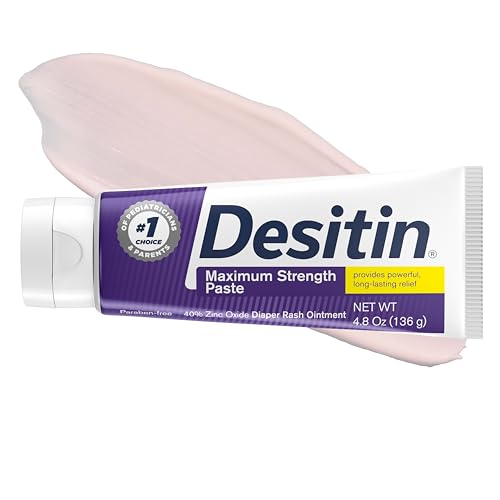
Doctor Recommended Diaper Rash Cream: The Complete Parent's Guide
Discover what pediatricians look for in a diaper rash cream, which ingredients actually work, and how to choose the right barrier protection for your baby's delicate skin.
Why this guide matters: Diaper rash affects nearly every baby at some point, and the sheer number of creams on the shelf can feel overwhelming. This guide breaks down exactly what makes a diaper rash cream "doctor recommended" — from proven barrier ingredients to hypoallergenic formulations — so you can make a confident, informed choice for your little one.
Understanding Diaper Rash Before Choosing a Cream
Diaper rash is a form of skin irritation that appears as redness, scaling, or discomfort in the diaper area. It is most commonly caused by prolonged exposure to moisture, friction from diapers, and the irritating effects of urine and stool enzymes on delicate skin. According to pediatric dermatology guidelines, the majority of cases respond well to consistent barrier protection and gentle skincare routines.
Before selecting any cream, it helps to understand the type of rash you are dealing with. Most diaper rashes fall into these categories:
- Irritant contact dermatitis: The most common type, triggered by moisture, friction, and prolonged skin contact with soiled diapers.
- Yeast (candida) rash: Characterized by bright red, raised patches with satellite lesions. This type often requires antifungal treatment and may not respond to standard barrier creams alone.
- Allergic contact dermatitis: A reaction to specific ingredients in diapers, wipes, or creams. Fragrance-free and hypoallergenic products are essential here.
- Bacterial infection: Less common but may develop if the skin barrier is severely compromised. Requires medical evaluation.
For typical irritant rashes, a well-formulated barrier cream is the first line of defense. Pediatricians consistently recommend creams that create a breathable moisture barrier while soothing existing irritation. If you are also exploring gentle skincare options for eczema-prone babies, our guide to eczema baby products offers complementary insights.
What Makes a Diaper Rash Cream Doctor Recommended?
Pediatricians evaluate diaper rash creams based on several core criteria: ingredient safety, efficacy in clinical studies, hypoallergenic formulation, and the ability to create a durable moisture barrier without occluding the skin entirely. A cream earns the "doctor recommended" label when it consistently meets these standards across diverse infant populations.
Key Qualities Pediatricians Look For
- Proven barrier ingredients: Zinc oxide and petrolatum are the gold standards. Zinc oxide provides a physical barrier and has mild astringent properties, while petrolatum seals in moisture and protects against irritants.
- Fragrance-free and dye-free: Fragrances and dyes are common allergens and irritants, especially on compromised skin. Doctor recommended creams avoid these entirely.
- Hypoallergenic and clinically tested: Formulations tested on sensitive skin and free from common allergens like parabens, phthalates, and lanolin (for babies with known sensitivities) are preferred.
- Breathable texture: A good cream protects without suffocating the skin. Thick, occlusive pastes are excellent for severe rash, while lighter creams work well for prevention.
- Easy application and removal: Pediatricians note that creams that are difficult to apply or remove can worsen irritation through excessive rubbing.
Apply diaper rash cream in a thick, visible layer — like frosting on a cake — at every change when rash is present. For prevention, a thinner layer during nighttime or after bowel movements is sufficient. Always pat the skin dry gently before applying.
Ingredient Breakdown: What Actually Works
Understanding the active and inactive ingredients in diaper rash creams helps you evaluate which products are genuinely effective versus which rely on marketing claims. Here is a breakdown of the most commonly recommended ingredients:
Zinc Oxide (10–40%)
The most widely recommended active ingredient. Creates a physical barrier, soothes irritation, and has mild antibacterial properties. Higher concentrations suit severe rash.
Petrolatum (Vaseline)
An excellent moisture barrier that is hypoallergenic and non-comedogenic. Often used alone for prevention or combined with zinc oxide for treatment.
Dimethicone
A silicone-based skin protectant that forms a breathable barrier. Often found in lighter, spreadable creams and preferred for sensitive skin.
Lanolin
Effective for many babies but can cause reactions in those with wool allergies. Doctor recommended creams often offer lanolin-free alternatives.
Glycerin
A humectant that draws moisture to the skin. Helpful in creams designed for prevention and mild irritation, but not a primary barrier ingredient.
Panthenol (Pro-Vitamin B5)
Supports skin healing and reduces redness. Often included in premium formulations for its soothing properties.
Calendula and Oat Extracts
Botanical ingredients with anti-inflammatory properties. Gentle and well-tolerated, though not a substitute for a physical barrier in severe cases.
Baking Soda (Sodium Bicarbonate)
Sometimes used in bath soaks rather than creams. Helps neutralize acidity but should not be applied directly to broken skin without medical guidance.
When selecting a cream, prioritize products whose primary active ingredient is zinc oxide or petrolatum. For babies with very sensitive skin, a fragrance-free, dye-free formula with dimethicone may be the most comfortable option. If your baby is currently experiencing a rash, our guide to over-the-counter diaper rash treatment offers additional context on when to consider different formulations.
Choosing by Tier: Matching Cream to Your Needs
Diaper rash creams can be categorized into tiers based on formulation complexity and intended use. Understanding these tiers helps you select the right product without relying on guesswork. The descriptors below are universal and reflect relative market positioning.
Basic Barrier Protection
Simple formulations built around petrolatum or low-concentration zinc oxide. Ideal for daily prevention and mild redness. Fragrance-free options in this tier are excellent for newborns and sensitive skin.
Treatment with Soothing Extras
Mid-range creams combine zinc oxide with soothing ingredients like panthenol, calendula, or oat extract. These offer a good balance of barrier strength and skin comfort, making them a solid choice for recurring mild rashes.
Maximum Barrier for Stubborn Rash
High-concentration zinc oxide (often 40%) paired with premium moisturizers and skin-healing ingredients. These thick pastes stay in place through multiple diaper changes and suit persistent or severe irritation.
For many families, a balanced-tier cream works well as an everyday staple, with a top-tier paste reserved for flare-ups. If your pediatrician has recommended a specific formulation for a yeast or bacterial rash, follow their guidance before choosing an over-the-counter product.
Comparing Doctor Recommended Creams at a Glance
| Category | Best For | Key Ingredients | Tier |
|---|---|---|---|
| Daily Prevention Cream | Routine diaper changes, newborn skin | Petrolatum, glycerin, dimethicone | Essential Tier |
| Soothing Treatment Cream | Mild to moderate rash, sensitive skin | Zinc oxide (10–15%), panthenol, oat extract | Balanced Tier |
| Maximum Barrier Paste | Severe rash, overnight protection | Zinc oxide (40%), petrolatum, lanolin | Top-Tier |
| Fragrance-Free Hypoallergenic Cream | Allergic-prone skin, eczema-adjacent rash | Dimethicone, glycerin, no fragrance or dyes | Mid-Range to Premium |
| Antifungal Combination Cream | Yeast rash (with pediatrician guidance) | Zinc oxide plus clotrimazole or miconazole | Specialty Tier |
Note that antifungal combination creams should only be used under the guidance of a healthcare professional, as yeast rashes require specific treatment approaches different from standard barrier creams.
How to Apply Diaper Rash Cream Correctly
Even the best cream can underperform if applied incorrectly. Follow these doctor-recommended application steps for optimal results:
- Clean gently: Use warm water and a soft cloth or fragrance-free wipes. Avoid alcohol-based wipes, which can sting irritated skin.
- Pat dry completely: Moisture trapped under cream can worsen rash. Gently pat the skin dry with a soft towel and allow a moment for air drying.
- Apply a thick layer: For active rash, apply a generous, visible layer — about the thickness of frosting on a cake. Do not rub in completely; the cream should remain visible.
- Reapply at every change: Cream should be reapplied at each diaper change. If the previous layer is still intact and clean, you can apply a new layer over it without fully removing.
- Use barrier-friendly diapers: Consider diapers with breathable backsheets and avoid over-tightening. If you use cloth diapers, ensure thorough rinsing to remove detergent residue.
If the rash does not improve after three days of consistent barrier cream use, or if it develops blisters, pus, or spreads beyond the diaper area, consult your pediatrician. Prescription treatment may be necessary.
Parents who are also preparing for other newborn essentials may find our guide to things you actually need for a newborn helpful for building a complete care kit.
Prevention Tips Backed by Pediatricians
Prevention is always easier than treatment. Incorporate these habits into your diapering routine to reduce the frequency and severity of rashes:
- Change frequently: Check diapers every two to three hours and change immediately after bowel movements.
- Allow air time: Let your baby go diaper-free for short periods each day, especially after a rash appears.
- Choose gentle products: Use fragrance-free, dye-free wipes and detergents. Avoid fabric softeners on cloth diapers.
- Use a barrier at night: Apply a thin layer of prevention cream before bedtime when diapers stay on longer.
- Avoid over-wiping: Excessive wiping can cause friction. Use a squeeze bottle of water or a soft cloth for messy changes.
When to See a Doctor
While most diaper rashes resolve with home care, certain signs warrant prompt medical attention. Contact your pediatrician if you observe any of the following:
- The rash persists beyond three days despite consistent treatment with a barrier cream.
- Blisters, pus-filled bumps, or open sores develop in the diaper area.
- The rash spreads beyond the diaper area to the abdomen, thighs, or back.
- Your baby develops a fever alongside the rash.
- Your baby appears to be in significant pain or discomfort during diaper changes.
- You suspect a yeast infection (bright red rash with satellite lesions).
Your pediatrician may recommend a prescription antifungal or antibacterial cream, or suggest a specialized skincare routine for recurring issues. Always follow their guidance specific to your baby's situation.
Frequently Asked Questions
Ready to Choose the Right Cream for Your Baby?
Browse our curated selection of doctor recommended diaper rash creams below. Each option is evaluated for ingredient safety, barrier effectiveness, and suitability for sensitive skin.