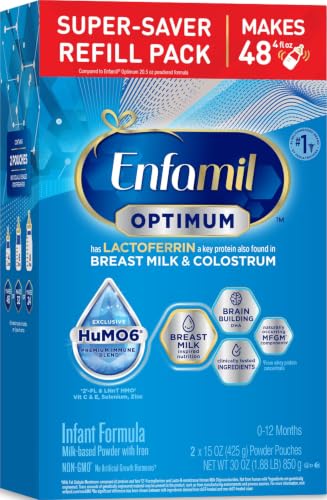
Formula Milk Closest to Breast Milk Taste
A complete guide to understanding flavor profiles, ingredients, and transition strategies for your baby.
CradleCheck Research Summary: Many parents searching for a formula that tastes like breast milk are navigating a transition from breastfeeding or combination feeding. While no formula can perfectly replicate the dynamic flavor of breast milk—which changes based on maternal diet and time of day—certain formulations come closer in taste and aroma. This guide examines the factors that influence formula flavor, what to look for, and practical tips for a smoother transition.
Understanding the Flavor of Breast Milk
Breast milk is not a static substance. Its composition and flavor change throughout the day, from the beginning of a feed to the end, and even based on what the mother has eaten. This variability is one of the reasons why some babies develop a preference for certain flavors early on.
Breast milk is naturally sweet, primarily due to its lactose content. It also contains a complex mix of fatty acids, amino acids, and other compounds that contribute to a unique sensory experience. The foremilk (at the start of a feed) is typically more watery and slightly sweeter, while the hindmilk (at the end) is richer in fat and has a creamier texture.
For parents who are supplementing or transitioning to formula, understanding these nuances can help in selecting a product that offers a more familiar taste profile. The goal is not necessarily to find an identical match—which is impossible—but to find a formula that your baby accepts willingly and digests comfortably.
Key Factors That Influence Formula Taste
Several variables determine how a formula tastes. When evaluating options, consider these key components:
1. Carbohydrate Source
Lactose is the primary carbohydrate in breast milk and is also the dominant carbohydrate in many standard infant formulas. Formulas that use lactose as the sole carbohydrate source tend to have a milder, cleaner sweetness that is more reminiscent of breast milk. Some formulas use other carbohydrates like corn syrup solids or maltodextrin, which can alter the taste profile and make it slightly different.
2. Protein Composition
The protein in breast milk is predominantly whey (about 60-70%) with a smaller proportion of casein. Many standard formulas aim to mimic this ratio. The type of protein processing also matters. Extensively hydrolyzed formulas, designed for babies with severe allergies, break down proteins into smaller peptides, which results in a distinctly bitter taste. For a flavor closer to breast milk, a standard formula with intact proteins and a whey-dominant profile is often a better starting point.
3. Fat Blend
Fats contribute to the mouthfeel and richness of both breast milk and formula. Formulas that include a blend of vegetable oils (like palm olein, coconut, soy, and high-oleic sunflower oils) aim to replicate the fatty acid profile of breast milk. Some premium and mid-range formulas include added ingredients like DHA and ARA (omega-3 and omega-6 fatty acids), which can have a subtle impact on taste but are generally well-tolerated.
4. Added Ingredients
Some formulas include added prebiotics, probiotics, or other functional ingredients. While these are beneficial for digestion and immune support, they can occasionally introduce slight variations in flavor. However, most modern formulas are designed to be neutral or pleasantly mild, even with these additions.
Formula Types and Their Flavor Profiles
The table below outlines common formula categories and how their taste is generally perceived by parents and researchers. This can serve as a starting point when exploring options for your baby.
| Formula Category | Primary Carbohydrate | Protein Profile | Flavor Characteristics | Best For |
|---|---|---|---|---|
| Standard Milk-Based Formula | Lactose | Intact whey & casein | Mild, slightly sweet, creamy | Most babies transitioning from breast milk without sensitivities |
| Whey-Dominant Formula | Lactose | Higher whey ratio (e.g., 60:40 or 70:30) | Lighter, smoother, closer to early breast milk | Parents seeking a texture and taste closer to foremilk |
| Partially Hydrolyzed Formula | Lactose or maltodextrin | Partially broken-down proteins | Slightly altered, sometimes described as mildly bitter | Babies with mild digestive discomfort or a family history of allergies |
| Extensively Hydrolyzed Formula | Corn syrup solids or sucrose | Extensively broken-down proteins | Distinctly bitter, less palatable | Babies with diagnosed milk protein allergies (under medical guidance) |
| Soy-Based Formula | Corn syrup solids or sucrose | Soy protein isolate | Mild but distinctly different from breast milk | Babies with galactosemia or specific dietary restrictions |
Practical Tips for a Smoother Transition
Even with the most suitable formula, some babies may initially resist the change. Here are strategies that can help:
Gradual Mixing
If your baby is currently breastfeeding, try mixing a small amount of prepared formula into expressed breast milk. Start with a ratio of about one part formula to three parts breast milk, then gradually increase the formula proportion over several days. This allows your baby to become accustomed to the new taste while still receiving familiar flavors.
Temperature and Delivery
Breast milk is typically warm (around body temperature). Heating formula to a similar temperature can make it more appealing. Also, consider the nipple flow rate: a slow-flow nipple mimics the breast more closely and allows your baby to control the pace of feeding.
Timing and Environment
Offer the first formula feed when your baby is calm and not overly hungry. A relaxed environment with minimal distractions can help. Sometimes, having a partner or another caregiver offer the bottle can work better, as your baby may associate you strongly with breastfeeding.
Patience and Persistence
It may take several attempts over a week or more for your baby to accept formula. Avoid forcing the issue, as this can create negative associations. If your baby continues to refuse, consult your pediatrician for guidance.
What to Look For in a Formula
When evaluating formulas for taste and overall quality, consider these factors:
- Lactose as the primary carbohydrate: This is the closest match to breast milk and generally results in a milder flavor.
- Whey-dominant protein ratio: Look for formulas that specify a whey-to-casein ratio similar to breast milk (e.g., 60:40 or 70:30).
- No unnecessary additives: While added DHA, ARA, and prebiotics are beneficial, some parents prefer a simpler ingredient list. Choose based on your comfort level and your baby's needs.
- Trusted manufacturing standards: Select formulas from reputable brands that adhere to strict safety and quality guidelines. This ensures the product is consistent and safe.
- Pediatrician recommendation: Always consult your baby's healthcare provider before switching formulas, especially if there are concerns about allergies or digestive issues.
For babies with specific dietary needs, such as a sensitive stomach or a diagnosed allergy, specialized formulas may be necessary. In those cases, the taste may be secondary to safety and tolerability. You can explore options like formula for a sensitive stomach or extensively hydrolyzed infant formula if advised by a doctor.
Ready to Explore Your Options?
Our recommended product list below features a selection of formulas that parents often consider when looking for a taste profile closer to breast milk. Remember to always check with your pediatrician before making a change.
Frequently Asked Questions
Related Resources
Exploring formula options often goes hand-in-hand with understanding your baby's digestive health and feeding journey. These guides may be helpful:
- Essentials for Breastfeeding – A checklist for nursing parents.
- Formula for Milk Allergy – Information on hypoallergenic options.
- Formula for Milk Protein Allergy – A deeper look at CMPA and suitable formulas.
- Formula with Rice Cereal Already Added – For parents considering thickened formulas.
- Transition from Bottle to Straw Cup for Milk – Tips for the next stage.
- Newborn Must-Haves – A broader look at essential baby gear.