Foods to Help Produce Breast Milk: A Complete Lactation Diet Guide
Explore evidence-informed foods, herbs, and meal strategies that support healthy milk supply. Learn how to build a balanced breastfeeding diet with confidence.
Explore Lactation FoodsWhy this matters: Milk supply is driven primarily by frequent and effective milk removal. Nutrition, hydration, and rest act as supportive pillars. This guide helps you understand which foods are traditionally and scientifically linked to lactation support, so you can make informed choices for your breastfeeding journey.
How Milk Supply Actually Works
Before diving into specific foods, it helps to understand the physiology. Breast milk production follows a supply-and-demand principle: the more milk that is removed from the breast, the more the body produces. Hormones such as prolactin and oxytocin play central roles, and frequent nursing or pumping sessions signal the body to maintain or increase output. Nutrition supports this process by providing the raw materials for milk synthesis and by helping the mother maintain energy and wellbeing. If you are also exploring pumping routines, our guide on electric breast pumps and the essentials for breastfeeding essentials can complement this nutritional approach.
Top Foods Traditionally Used to Support Milk Supply
The foods below are often called galactagogues — substances believed to promote lactation. While scientific evidence varies, many mothers report benefits when these foods are incorporated consistently into a balanced diet. Think of them as supportive additions rather than guaranteed solutions, and always pair them with frequent milk removal.
Oats & Oatmeal
Whole oats are a classic lactation food. They provide beta-glucan, iron, and sustained energy. A warm bowl of oatmeal is a comforting and practical breakfast for nursing mothers.
Barley & Malt
Barley soups and malted beverages are traditional in many cultures. Barley contains polysaccharides that some research links to prolactin support, making it a staple in lactation kitchens.
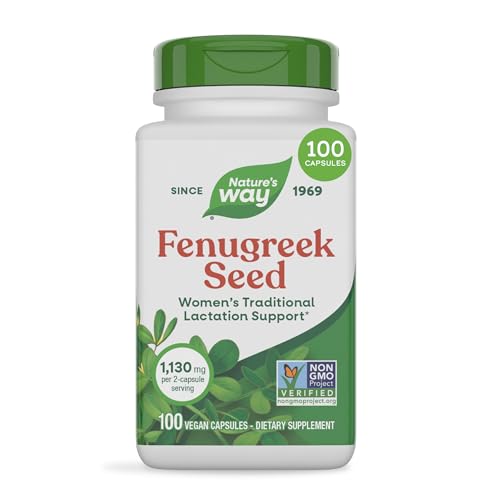
Fenugreek
Fenugreek seeds and teas are among the most widely used herbal galactagogues. It is wise to discuss dosage with a healthcare provider, especially if you have thyroid or blood sugar concerns.
Fennel
Fennel seeds are often brewed as a gentle tea. They contain anethole, a compound traditionally associated with lactation support and digestive comfort for both mother and baby.
Fatty Fish (Salmon, Sardines)
Rich in omega-3 DHA, fatty fish support both milk quality and maternal recovery. Choose low-mercury options and aim for two servings per week if compatible with your diet.
Eggs
Eggs deliver high-quality protein, choline, and B vitamins. They are versatile, quick to prepare, and an excellent anchor for nursing-friendly meals throughout the day.
Leafy Greens
Spinach, kale, and fenugreek leaves provide iron, calcium, and phytoestrogens. They support overall maternal nutrition, which indirectly benefits milk production.
Garlic
Garlic is a culinary galactagogue used in many traditions. It also flavors breast milk gently, which some researchers suggest may help babies accept varied tastes later.
Brewer's Yeast
A nutrient-dense ingredient rich in B vitamins, chromium, and protein. It is often added to lactation cookies and smoothies, though evidence for direct supply effects is limited.
Lactation Food Categories at a Glance
Use this table to compare the roles different food groups play in a breastfeeding diet. The tier column reflects the relative prominence of each food group in traditional lactation nutrition rather than any commercial positioning.
| Category | Examples | Key Nutrients | Best For |
|---|---|---|---|
| Whole Grains | Oats, barley, brown rice, quinoa | B vitamins, fiber, iron | Sustained energy and prolactin support |
| Protein Sources | Eggs, salmon, chicken, lentils, tofu | Protein, DHA, choline, iron | Milk quality and maternal recovery |
| Leafy Greens | Spinach, kale, fenugreek leaves | Calcium, iron, phytoestrogens | Overall nutritional density |
| Herbal Support | Fenugreek, fennel, blessed thistle | Anethole, saponins | Traditional galactagogue support |
| Healthy Fats | Avocado, nuts, olive oil, seeds | Omega-3, vitamin E, monounsaturated fats | Hormone production and milk fat profile |
| Hydrating Foods | Soups, broths, watermelon, cucumber | Water, electrolytes | Maintaining hydration alongside fluids |
Practical Meal Ideas for Nursing Mothers
Building a lactation-friendly plate does not need to be complicated. Focus on combining a whole grain, a protein, a vegetable, and a healthy fat at each main meal. Below are simple, realistic ideas you can rotate through the week.
- Breakfast: Oatmeal topped with ground flaxseed, sliced banana, and a spoonful of almond butter.
- Mid-morning snack: A handful of almonds with a cup of fennel tea or a lactation smoothie with brewer's yeast.
- Lunch: Barley and vegetable soup with shredded chicken and a side of whole-grain bread.
- Afternoon snack: Greek yogurt with berries and a drizzle of honey, plus a glass of water.
- Dinner: Baked salmon with quinoa, sautéed spinach, and roasted sweet potato.
- Evening snack: A small bowl of warm oat porridge or a lactation cookie made with oats and flaxseed.
Hydration reminder: Breastfeeding increases fluid needs. Keep a water bottle within reach during every nursing session. Soups, broths, and water-rich fruits also contribute to daily fluid intake. If you are tracking your baby's intake, our guide on expressed breast milk storage guidelines can help you plan safely.
Foods and Herbs to Approach with Caution
While most foods are safe during breastfeeding, a few are traditionally linked to reduced milk supply or potential sensitivities. This does not mean you must avoid them entirely, but it is worth being mindful, especially if you are working to build supply.
- Sage and large amounts of peppermint: Often cited as supply-reducing herbs. Occasional culinary use is generally fine for most mothers.
- Parsley in large quantities: A common culinary herb, but concentrated amounts are sometimes associated with reduced output.
- Excess caffeine: Moderate intake is generally considered acceptable, but very high amounts may affect some babies' sleep and fussiness.
- Alcohol: Best minimized or avoided. If you choose to drink, timing and moderation matter; discuss with your healthcare provider.
- Highly allergenic foods: Unless your baby shows reactions, there is generally no need to avoid common allergens. If you suspect sensitivities, our guide on food allergies in babies offers context.
Build Your Breastfeeding Support System
Nutrition is one piece of the puzzle. Pair lactation-friendly foods with effective milk removal, rest, and the right gear. Explore our feeding equipment guide and breastfeeding essentials to complete your setup.
Explore Feeding EquipmentRelated Reading for Nursing Mothers
Deepen your understanding with these complementary guides. Each covers a different facet of the breastfeeding journey, from supply support to safe storage and formula transitions.
- Foods That Increase Lactation: A Practical Reference — a companion list with additional galactagogue options.
- Food to Increase Breast Milk: Meal Planning Tips — practical scheduling and prep ideas for busy mothers.
- Essentials for Breastfeeding — gear and supplies that make nursing sessions smoother.
- Formula Feeding and Breastfeeding Newborn — guidance for combination feeding situations.
- Finding the Right Formula for Newborn — helpful if you are supplementing alongside breastfeeding.
- Formula Closest to Breastmilk — for parents exploring supplementation options.
Frequently Asked Questions
What foods help produce breast milk?
Foods traditionally used to support breast milk production include oats, barley, fennel, fenugreek, garlic, leafy greens, salmon, eggs, and brewer's yeast. These are often called galactagogues and are best combined with frequent nursing or pumping and proper hydration.
How quickly do lactation foods work?
Responses vary widely. Some mothers notice changes within a few days of consistently adding galactagogues, while others see gradual shifts over a couple of weeks. Milk supply is primarily driven by frequent milk removal, so diet works best as a supportive factor.
Do I need to drink milk to make milk?
No. You do not need to drink cow's milk to produce breast milk. Adequate overall hydration and a balanced diet are what matter. Calcium can come from leafy greens, almonds, fortified plant beverages, and other sources.
Can certain foods reduce milk supply?
Some herbs such as sage, peppermint in large amounts, and parsley are traditionally associated with reduced supply, but evidence is limited. If you are concerned about supply, focus on frequent feeding and consult a lactation consultant.
Should I take lactation supplements?
Supplements can be helpful for some mothers, but they should not replace a balanced diet or frequent milk removal. Always consult a healthcare provider before starting herbal supplements, especially if you have medical conditions or are taking medication.
How much water should I drink while breastfeeding?
A practical approach is to drink to thirst and keep water nearby during nursing sessions. Most breastfeeding mothers need roughly 2.5 to 3 liters of total fluids per day from all sources, including soups and water-rich foods, but individual needs vary.