
Formula Closest to Breastmilk: A Complete Guide for New Parents
Breastmilk is the gold standard for infant nutrition. When breastfeeding isn't possible or you're supplementing, understanding which formula comes closest to breastmilk can help you make a confident, informed choice for your baby's health and development.
Understanding What Makes Breastmilk Unique
Breastmilk is a living fluid that adapts to your baby's changing needs. It contains a complex mix of proteins, fats, carbohydrates, vitamins, minerals, antibodies, enzymes, and live cells that support immunity, digestion, and brain development. No commercial formula can perfectly replicate this biological complexity — but modern formula science has come remarkably close in several key areas.
The Core Components of Breastmilk
- Proteins: Breastmilk is rich in whey protein (particularly alpha-lactalbumin) and low in casein, making it easy for newborns to digest. The protein ratio changes as your baby grows.
- Fats: Breastmilk contains essential fatty acids like DHA and ARA, which are critical for brain and eye development. The fat content also adjusts during each feeding.
- Carbohydrates: Lactose is the primary carbohydrate, but breastmilk also contains over 200 human milk oligosaccharides (HMOs) that feed beneficial gut bacteria.
- Immune Factors: Immunoglobulin A (IgA), lactoferrin, and lysozyme help protect against infections.
- Enzymes and Hormones: These support digestion and regulate appetite and growth.
Key Insight: The closest formulas focus on three things — protein quality and digestibility, HMO inclusion for gut health, and DHA/ARA levels for brain development. The more a formula addresses these three pillars, the closer it gets to breastmilk's nutritional profile.
Types of Infant Formula: Which Is Closest to Breastmilk?
Not all formulas are created equal. Understanding the base ingredients and processing methods helps you evaluate which option aligns best with breastmilk's composition.
1. Cow Milk-Based Formula
Cow milk-based formula is the most common type and the standard starting point for most babies. Manufacturers modify cow milk to make it suitable for infants by adjusting the protein ratio (adding whey), replacing some fats with vegetable oils, and fortifying with vitamins and minerals. Many premium cow milk formulas now include HMOs, probiotics, and prebiotics to better mimic breastmilk's gut-supporting properties.
2. Goat Milk-Based Formula
Goat milk formula has gained popularity as an alternative for babies who may be sensitive to cow milk. The protein structure differs slightly, and some parents report easier digestion. Goat milk naturally contains higher levels of certain fatty acids, but commercial goat milk formulas are fortified to meet the same nutritional standards as cow milk formulas. For babies without a diagnosed milk protein allergy, goat milk formula can be a close-to-breastmilk option in terms of digestibility.
3. Extensively Hydrolyzed Formula
This is often considered the closest to breastmilk for babies with sensitive digestive systems. The proteins are broken down into tiny peptides, making them significantly easier to digest. These formulas are frequently recommended for babies with a family history of allergies or those showing signs of milk protein sensitivity. The trade-off is a slightly different taste profile, but the digestibility benefits are substantial.
4. Soy-Based Formula
Soy formula is typically reserved for babies with a confirmed cow milk protein allergy or for families following a vegetarian diet. While nutritionally complete, soy formula is not generally considered as close to breastmilk as hydrolyzed or goat milk options because the protein source is plant-based and the carbohydrate profile differs.
5. Specialty and Organic Formulas
Organic formulas use ingredients from certified organic farming but are otherwise similar in nutritional composition to their conventional counterparts. Some specialty formulas focus on specific needs like added probiotics, reduced lactose, or anti-reflux properties. These variations can be closer to breastmilk for babies with particular digestive challenges.
Quick Tip: If your baby has no sensitivities, a premium cow milk formula with HMOs and DHA is an excellent starting point. If you notice excessive spit-up, gas, or fussiness, a goat milk or hydrolyzed formula may be worth discussing with your pediatrician. Also, if you're exploring alternatives for a non-dairy approach, see our guide on formula closest to breastmilk non-dairy.
Key Ingredients That Mimic Breastmilk
When comparing formulas, look beyond the base type. These ingredients are the markers of how closely a formula approaches breastmilk's functional benefits.
Human Milk Oligosaccharides (HMOs)
HMOs are the third most abundant solid component in breastmilk after lactose and fat. They act as prebiotics, feeding beneficial gut bacteria like Bifidobacterium, and help prevent infections by acting as decoys for pathogens. Premium formulas now include specific HMOs such as 2'-FL (2-fucosyllactose), which is one of the most abundant HMOs in human milk. A formula with added HMOs is generally considered closer to breastmilk than one without.
DHA and ARA
Docosahexaenoic acid (DHA) and arachidonic acid (ARA) are long-chain polyunsaturated fatty acids critical for brain and eye development. Breastmilk contains both, and levels vary based on the mother's diet. Most modern infant formulas are fortified with DHA and ARA, but the levels and sources can differ. Formulas that specify algae-derived DHA and fungal or egg-derived ARA are typically well-regarded for quality.
Whey-to-Casein Ratio
Breastmilk has a whey-to-casein ratio of approximately 60:40 to 70:30 in early lactation, making it very easy to digest. Cow milk, by contrast, is 20:80. Formula manufacturers adjust this ratio by adding whey protein. Formulas with a higher whey proportion are closer to breastmilk's digestibility profile. For newborns, a whey-dominant formula is generally preferred.
Probiotics and Prebiotics
Breastmilk naturally contains beneficial bacteria and prebiotic fibers. Some formulas add probiotics (live beneficial bacteria like L. reuteri or B. lactis) or prebiotics (like GOS and FOS) to support gut flora. These additions bring the formula closer to breastmilk's microbiome-supporting capabilities.
Alpha-Lactalbumin
Alpha-lactalbumin is the dominant whey protein in human milk. It is rich in essential amino acids and helps with the absorption of minerals like calcium and zinc. Some premium formulas are enriched with alpha-lactalbumin to more closely match breastmilk's protein composition.
Formula Comparison by Tier and Best Use
The following table compares formula types using universal quality tiers — entry-level, mid-range, premium, and specialty — so you can evaluate options based on features and positioning rather than any specific pricing information.
| Tier | Formula Type | Key Features | Best For |
|---|---|---|---|
| Entry-Level | Standard Cow Milk-Based | Basic nutrition, DHA/ARA fortified, lactose carbohydrate source | Healthy, full-term babies with no sensitivities; a solid starting point |
| Mid-Range | Premium Cow Milk with HMOs or Probiotics | Added 2'-FL HMO, probiotics, higher whey ratio, alpha-lactalbumin | Parents wanting closer immune and digestive support without going fully specialty |
| Mid-Range | Goat Milk-Based | Alternative protein source, easier digestion for some babies, A2 beta-casein | Babies with mild cow milk sensitivity or parents seeking a different protein profile |
| Premium | Extensively Hydrolyzed | Broken-down proteins, hypoallergenic, easy to digest, often lactose-free or low-lactose | Babies with milk protein sensitivity, family history of allergies, or persistent digestive issues |
| Specialty | Soy-Based or Amino Acid-Based | Plant-based protein or fully broken-down amino acids, for severe allergies | Confirmed cow milk protein allergy or severe malabsorption; use under medical guidance |
Important: Formula tiers reflect relative market positioning and feature sets — not a judgment of quality for every baby. The "closest" formula is ultimately the one your baby tolerates best. Always consult your pediatrician before making a significant change, especially if you suspect an allergy. For a deeper dive into finding the right fit, read our guide on finding the right formula for newborn.
Special Dietary Formulas and Sensitivities
Some babies have specific needs that require a formula beyond the standard options. Understanding these can help you have a more productive conversation with your pediatrician.
Milk Protein Allergy
If your baby shows signs of a cow milk protein allergy — such as excessive spit-up, blood in the stool, eczema, or persistent fussiness — your pediatrician may recommend an extensively hydrolyzed formula. For severe cases, an amino acid-based formula may be necessary. These formulas are designed to eliminate the intact proteins that trigger allergic reactions. Our article on formula for infants with milk allergy provides a more detailed overview.
Lactose Sensitivity
True lactose intolerance is rare in infants — it's more common for babies to have a transient sensitivity. Lactose-free formulas replace lactose with other carbohydrates like corn syrup solids. These are not generally closer to breastmilk (which is lactose-rich), but they can be helpful for babies with a confirmed sensitivity. If you're also exploring non-dairy options, our non-dairy formula guide is a useful resource.
Reflux and Spit-Up
Anti-reflux formulas are thickened with rice starch or carob bean gum to help keep feeds down. They don't necessarily mimic breastmilk more closely in composition, but they address a specific feeding challenge. If reflux is frequent, discuss these options with your doctor before switching.
Cow Milk and Soy Allergy
For babies who react to both cow milk and soy, an extensively hydrolyzed or amino acid-based formula is often the next step. Our guide on formula for cow milk and soy allergy covers this scenario in more depth.
How to Choose the Right Formula for Your Baby
Choosing a formula is a process of matching your baby's needs with the available options. Here's a practical framework to guide your decision.
Start with Your Baby's Health Profile
If your baby is healthy and full-term with no family history of allergies, a standard cow milk formula is often a perfectly good starting point. If there is a family history of eczema, asthma, or food allergies, you might discuss a hydrolyzed formula with your pediatrician early on.
Observe and Adapt
After starting a formula, observe your baby's digestion, stool consistency, mood, and skin. Most babies adapt within a week or two. If you notice persistent issues — excessive gas, watery or hard stools, rashes, or frequent crying — talk to your pediatrician about whether a different formula type might be a better fit.
Look for Transparency in Ingredients
Choose formulas from manufacturers that clearly disclose their ingredient sources, DHA/ARA levels, and any added HMOs or probiotics. Transparency is a hallmark of reputable brands across all tiers.
Consider the Full Feeding Journey
If you're combination feeding, the formula you choose should complement your breastmilk supply. Many parents find that a premium formula with HMOs and a whey-dominant protein profile works well alongside breastfeeding. Our guide on formula feeding and breastfeeding newborn offers practical tips for combining both approaches.
Ready to Explore Formula Options?
Our curated selection of infant formulas includes options across all tiers, from standard cow milk formulas to premium hydrolyzed and HMO-fortified choices. Find the one that best fits your baby's needs.
View Recommended FormulasFrequently Asked Questions
No formula can perfectly replicate breastmilk, but extensively hydrolyzed formulas and those with added human milk oligosaccharides (HMOs) come closest in terms of digestibility and immune support. Goat milk-based formulas are also considered close alternatives for some babies. The "closest" formula depends on your baby's individual digestion and needs.
HMOs are complex carbohydrates found naturally in breastmilk that support gut health and immune development. Some premium formulas now include specific HMOs like 2'-FL to mimic these benefits. A formula with added HMOs is generally considered closer to breastmilk than one without.
Goat milk formula contains different proteins than cow milk formula, which some babies digest more easily. However, both are nutritionally complete. The "closeness" to breastmilk depends on your baby's individual digestion and needs. For babies without a diagnosed milk protein allergy, goat milk formula can be a close-to-breastmilk option in terms of digestibility.
Hydrolyzed formulas break down proteins into smaller pieces, making them easier to digest. They are often recommended for babies with a family history of allergies or those showing signs of milk protein sensitivity. Consult your pediatrician before switching to a hydrolyzed formula.
Yes, but it's best to do so with guidance from your pediatrician. Fussiness can have many causes — from overfeeding to reflux to a genuine sensitivity. A doctor can help you determine whether a formula change is appropriate and which type to try. Always transition gradually over several days to help your baby adjust.
Recommended Infant Formulas Closest to Breastmilk
⚠️ AFFILIATE DISCLOSURE: This website contains affiliate links. As an Amazon Associate, we earn from qualifying purchases. If you make a purchase through these links, we may receive a small commission at no additional cost to you. Read our full affiliate policy.

Similac 360 Total Care Baby Formula Powder, 5 HMO Prebiotics | Infant formula to support baby’s immune system, language & social development & digestive health, in one 20.6-oz tub
Check price on Amazon
Enfamil Optimum Baby Formula Has Immune-Supporting Lactoferrin, 20.5Oz | Our Closest Infant Formula to Breast Milk, Immune-Supporting Lactoferrin and Brain-Building DHA, Dual Prebiotic HMO blend
Check price on Amazon
Enfamil Optimum (Enspire) Gentlease Baby Formula, 19.5 Oz | Our Closest Infant Formula to Breast Milk For Fussiness, Crying, Gas & Spit-up, Immune-Supporting Lactoferrin
Check price on Amazon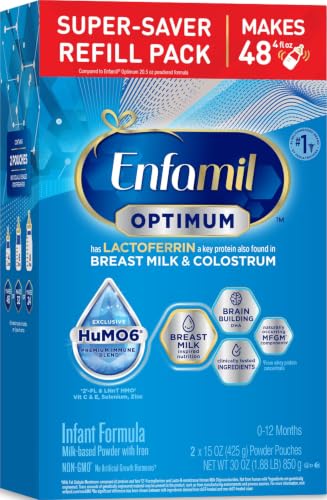
Enfamil Optimum Baby Formula Has Immune-Supporting Lactoferrin, 30 Oz | Our Closest Infant Formula to Breast Milk, Immune-Supporting Lactoferrin and Brain-Building DHA, Dual Prebiotic HMO blend
Check price on Amazon
Similac 360 Total Care Made With Whole Milk, Ready-to-Feed Baby Formula | Only infant formula made with whole milk & an exclusive blend of 5 immune-nourishing prebiotics in 2-fl-oz bottles, 12 pack
Check price on Amazon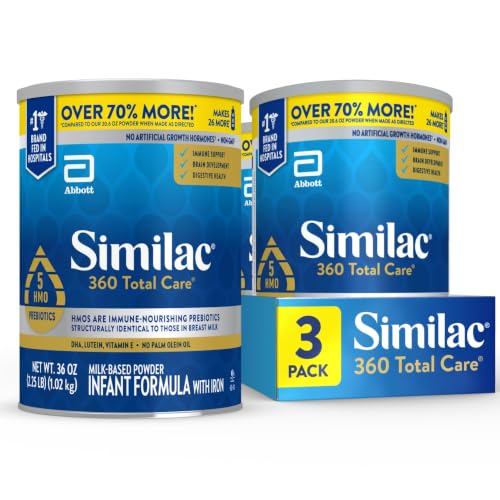
Similac 360 Total Care Baby Formula Powder, 5 HMO Prebiotics | Infant formula designed to support baby’s immune system, brain development & digestive health, 36-oz value-size can, 3 pk
Check price on Amazon
Similac Irish Farms Baby Formula Powder, Made in Europe, 24.7 oz Can | Easy-to-digest infant formula for babies that starts with fresh milk from cows in Ireland
Check price on Amazon