Foods That Increase Lactation: A Complete Nursing Nutrition Guide
Support your breast milk supply naturally with evidence-informed foods, smart meal planning, and practical nursing nutrition strategies every breastfeeding mom should know.
Why nutrition matters for milk supply: Breast milk production is driven primarily by frequent and effective milk removal, but nutrition plays a meaningful supporting role. A well-balanced diet with key nutrients, adequate hydration, and traditional galactagogues — foods believed to support lactation — can help you feel stronger, more energized, and better equipped for the demands of nursing.
This guide walks you through the most researched foods that increase lactation, how to build a nursing-friendly plate, and what to realistically expect when you add them to your routine. Before making major dietary changes or starting herbal supplements, always consult your healthcare provider or a lactation consultant.
How Breast Milk Supply Actually Works
Before reaching for specific foods, it helps to understand the biology. Milk production operates on a supply-and-demand loop: the more milk that is removed from the breast — through nursing or pumping — the more your body is signaled to produce. Hormones like prolactin and oxytocin govern this process, and factors such as stress, sleep, hydration, and overall caloric intake can influence how smoothly it runs.
Foods that increase lactation support this system in two main ways. First, they contribute the macronutrients and micronutrients your body needs to manufacture milk efficiently. Second, certain traditional galactagogues — such as oats, fennel, and fenugreek — contain compounds that may gently encourage milk production. Neither approach replaces frequent nursing or pumping, but together they form a supportive foundation for a healthy supply.
Top Foods That Increase Lactation
Oats & Whole Grains
Oatmeal is one of the most widely recommended lactation foods. Whole grains like oats, barley, and brown rice provide sustained energy, fiber, and beta-glucan, which may support hormonal balance. A warm bowl of oatmeal with flaxseed is a classic nursing breakfast.
Fenugreek
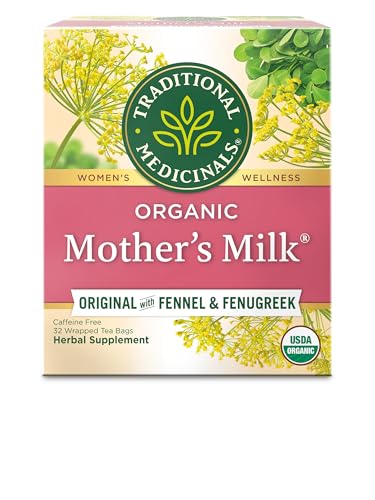
A traditional galactagogue used for centuries, fenugreek seeds and leaves are often brewed as tea or added to dishes. It contains phytoestrogens that may support milk flow. Pregnant women and those with certain medical conditions should consult a provider before use.
Fennel Seeds
Fennel is a gentle, food-based galactagogue commonly consumed as tea or added to soups and stews. It also supports digestion, which many postpartum moms appreciate. Fennel tea is a soothing, low-effort way to add it to your day.
Garlic
Garlic is a kitchen staple that may support lactation and is generally safe in normal culinary amounts. It also adds flavor to meals, which matters when appetite is low. Garlic is a low-effort addition to nearly any savory dish.
Leafy Greens
Spinach, kale, and collard greens deliver iron, calcium, folate, and vitamin K — nutrients that support recovery and milk quality. Iron-rich greens are especially valuable if you experienced blood loss during delivery.
Nuts & Seeds
Almonds, walnuts, flaxseed, and chia seeds supply healthy fats and protein that support milk quality and sustained energy. Flaxseed in particular is a popular add-in for lactation cookies and smoothies.
Salmon & Fatty Fish
Salmon, sardines, and mackerel are rich in omega-3 fatty acids, particularly DHA, which supports both your recovery and your baby's development. Choose low-mercury options and aim for two servings per week.
Water & Hydrating Foods
Hydration is foundational to milk production. Water, soups, broths, and water-rich fruits like watermelon and cucumbers help maintain fluid balance. Keep a water bottle near your nursing station as a simple reminder.
Lactation Food Comparison at a Glance
| Food | Tier | Key Nutrients | Best For |
|---|---|---|---|
| Oats & whole grains | Essential tier | Fiber, B vitamins, beta-glucan | Daily sustained energy and supply support |
| Fenugreek | Essential tier | Phytoestrogens, iron | Traditional milk flow support |
| Fennel seeds | Balanced tier | Anethole, fiber, vitamin C | Gentle galactagogue and digestion support |
| Garlic | Balanced tier | Allicin, vitamin B6, manganese | Flavor and gentle lactation support |
| Leafy greens | Essential tier | Iron, calcium, folate, vitamin K | Postpartum recovery and milk quality |
| Nuts & seeds | Balanced tier | Healthy fats, protein, magnesium | Energy and milk fat quality |
| Salmon & fatty fish | Balanced tier | Omega-3 DHA, protein, vitamin D | Baby development and mom recovery |
| Water & hydrating foods | Essential tier | Fluids, electrolytes | Baseline milk production and comfort |
How to Build a Nursing-Friendly Plate
- Prioritize protein at every meal. Eggs, beans, lentils, chicken, fish, and tofu help you rebuild tissue and support milk quality. Aim for a palm-sized portion at each meal.
- Keep healthy fats in rotation. Avocado, olive oil, nuts, and fatty fish support hormone production and help you feel satisfied longer between nursing sessions.
- Don't skip complex carbohydrates. Oats, quinoa, sweet potatoes, and whole-grain bread provide steady energy for the frequent caloric demands of breastfeeding.
- Hydrate consistently, not all at once. Sip water throughout the day rather than chugging large amounts. A good habit is to drink a glass each time you sit down to nurse.
- Add galactagogues gently. Start with food-based options like oats and fennel. If you are considering herbal supplements, discuss them with your provider, especially if you have allergies, thyroid conditions, or are taking medications.
- Watch for baby's cues. Supply is best assessed by diaper output, weight gain, and your baby's feeding behavior — not by how full your breasts feel. If you have concerns, reach out to a lactation consultant.
- Feed yourself with the same care you feed your baby. Prepared snacks, easy breakfasts, and hydration stations around the house make it easier to keep your own nutrition steady during exhausting early weeks.
Related Breastfeeding & Nursing Guides
Explore these connected resources to round out your nursing and postpartum planning:
Ready to Build Your Nursing Toolkit?
Pair smart nutrition with the right feeding equipment. Explore our curated guides on breast pumps, storage, and breastfeeding essentials to make every session smoother.
Explore Breastfeeding EssentialsFrequently Asked Questions
What foods increase breast milk supply quickly?
Oatmeal, fenugreek, fennel seeds, garlic, and leafy greens are among the most commonly recommended foods that support breast milk production. Hydration and frequent nursing or pumping sessions remain the most important factors for maintaining supply.
Are galactagogues safe for breastfeeding moms?
Most food-based galactagogues like oats, fennel, and garlic are generally considered safe in normal dietary amounts. Herbal supplements should be discussed with a healthcare provider, especially if you have allergies, thyroid conditions, or are taking medications.
How long does it take for lactation foods to work?
Results vary by individual. Some moms notice changes within a few days of consistently adding lactation-supporting foods, while others may take one to two weeks. Frequent milk removal through nursing or pumping is the strongest driver of supply.
Do I need to eat more calories while breastfeeding?
Most breastfeeding moms benefit from a modest increase in overall energy intake compared to pre-pregnancy needs. Rather than counting numbers, focus on balanced meals with protein, healthy fats, and complex carbohydrates, and let hunger cues guide you.
Can certain foods decrease milk supply?
Some herbal teas and high-dose supplements, such as sage or peppermint in concentrated amounts, are sometimes associated with reduced supply. Occasional culinary use is generally not a concern for most moms, but if you notice a drop, review recent dietary changes with your provider.