Newborn Yeast Infection: A Complete Guide for Parents
Recognize the signs, understand the causes, and discover effective treatments for oral thrush and yeast diaper rash. Learn how to comfort your baby and prevent recurrence.
What Is a Newborn Yeast Infection?
A yeast infection in newborns is typically caused by an overgrowth of the fungus Candida albicans. This fungus naturally lives on the skin and in the digestive tract, but when the environment changes (like a warm, moist diaper area or after antibiotic use), it can multiply rapidly and cause infection.
The two most common types of yeast infections in babies are:
- Oral Thrush: White patches on the tongue, inner cheeks, gums, or roof of the mouth.
- Yeast Diaper Rash: A bright red, inflamed rash with distinct red bumps (satellite lesions) around the edges, often in the skin folds.
🔍 Quick Facts: About 1 in 7 newborns may develop oral thrush, and yeast diaper rash is one of the most common causes of persistent diaper rash in babies under 6 months.
Recognizing the Symptoms
Early detection is key to treating newborn yeast infections effectively. Here are the most common signs to watch for:
Oral Thrush Symptoms
- White, creamy patches on the tongue, gums, or inside of the cheeks that cannot be wiped away easily.
- Redness or soreness in the mouth, making feeding difficult or painful.
- Fussiness or irritability during feeding.
- Cracked skin at the corners of the mouth (angular cheilitis).
Yeast Diaper Rash Symptoms
- A bright red, raised rash in the diaper area, often with small red bumps (pustules) at the edges.
- Rash that persists despite using standard diaper rash creams.
- Skin that appears shiny or scaly, with clear borders.
- Rash that may spread to the skin folds of the thighs and genitals.
⚠️ When to See a Doctor: If your baby has a fever, the rash is severe or spreading, or if they are not feeding well, contact your pediatrician immediately. Persistent thrush or rash may require prescription antifungal medication.
What Causes Newborn Yeast Infections?
Understanding the underlying causes can help you prevent future infections. Common triggers include:
- Antibiotic Use: If you or your baby have taken antibiotics, they can disrupt the natural balance of bacteria and fungi, allowing yeast to overgrow.
- Warm, Moist Environments: Diapers create the perfect warm, moist environment for yeast to thrive. Infrequent diaper changes can increase the risk.
- Oral Thrush Transmission: A yeast infection can be passed between the baby's mouth and the mother's breasts during breastfeeding (nipple thrush).
- Immature Immune System: Newborns have developing immune systems, making them more susceptible to fungal overgrowth.
- Use of Pacifiers or Bottles: If pacifiers or bottle nipples are not properly sterilized, they can harbor yeast.
Effective Treatments for Newborn Yeast Infection
Treatment depends on the location and severity of the infection. Always consult your pediatrician before starting any treatment. Common options include:
For Oral Thrush
- Antifungal Medication: Your doctor may prescribe nystatin or fluconazole drops. Apply as directed, usually after feedings.
- Sterilize Pacifiers & Bottles: Boil pacifiers, bottle nipples, and teething toys daily to kill yeast.
- Breastfeeding Moms: If you have nipple thrush, apply antifungal cream to your nipples and wash hands thoroughly after nursing.
For Yeast Diaper Rash
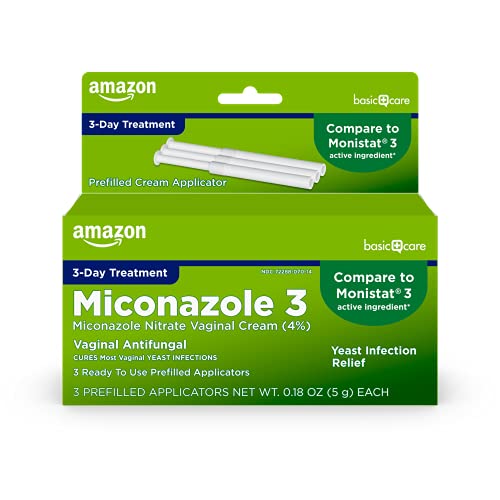
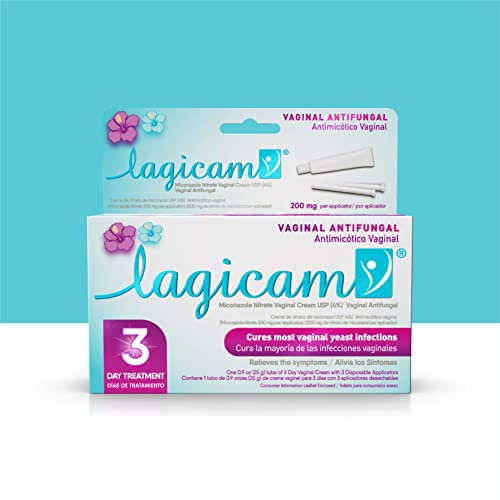
- Antifungal Cream: Over-the-counter clotrimazole or miconazole (or prescribed) applied to the rash area.
- Keep Skin Dry: Change diapers frequently and let your baby go diaper-free for short periods each day.
- Barrier Cream: Use a thick zinc oxide cream to protect the skin from moisture after applying antifungal treatment.
- Avoid Wipes with Alcohol: Use water and a soft cloth, or alcohol-free wipes, to clean the area gently.
📝 Pro Tip: For severe or recurrent infections, your pediatrician may recommend a combination of oral and topical antifungal treatments. Follow the full course of treatment, even if symptoms improve, to prevent recurrence.
Natural Remedies & Prevention Tips
In addition to medical treatments, these natural strategies can help soothe your baby and prevent future yeast infections:
🧴 Probiotics
Probiotic supplements (with pediatrician approval) or probiotic-enriched formulas may help maintain a healthy balance of gut flora.
🌿 Coconut Oil
Pure coconut oil has natural antifungal properties. Apply a thin layer to the rash area (as a complement to treatment, not a replacement).
🧼 Proper Hygiene
Wash your hands thoroughly before and after diaper changes. Sterilize pacifiers, bottles, and breast pump parts daily.
🩲 Breathable Diapers
Use high-absorbency, breathable diapers and change them frequently to keep the skin dry. Consider cloth diapers for better airflow.
Prevention Strategies
- Air Time: Allow your baby to go without a diaper for 10–15 minutes several times a day.
- Gentle Cleaning: Use warm water and a soft cloth instead of commercial wipes during a rash outbreak.
- Check for Oral Thrush: Inspect your baby's mouth regularly, especially if they seem fussy during feeds.
- Monitor Your Diet: If you're breastfeeding, reducing sugar and refined carbs may help limit yeast growth.
When to Seek Medical Attention
While many yeast infections can be managed at home, you should contact your pediatrician if:
- The rash does not improve after 3–4 days of treatment.
- The rash becomes painful, swollen, or starts to bleed.
- Your baby has a fever (over 100.4°F / 38°C) or seems lethargic.
- Oral thrush makes feeding difficult, leading to poor weight gain.
- You notice signs of a secondary bacterial infection (yellow crusting or oozing).
Your pediatrician may prescribe stronger antifungal medications or investigate other underlying causes if the infection keeps coming back.
Frequently Asked Questions
Can a yeast diaper rash be mistaken for a regular diaper rash?
Yes, a yeast diaper rash often looks different from a standard diaper rash. It tends to be brighter red, with distinct borders and small red bumps (satellite lesions) around the edges. It also does not respond well to regular diaper rash creams containing zinc oxide or petroleum jelly.
How long does a newborn yeast infection last?
With proper treatment, oral thrush and yeast diaper rash usually clear up within 7–14 days. However, it's important to complete the full course of medication to prevent recurrence.
Can I continue breastfeeding if my baby has thrush?
Yes, you can and should continue breastfeeding. However, you may need to treat both you and your baby simultaneously to prevent passing the infection back and forth. Consult your doctor for guidance on antifungal treatments for both of you.
Are there any complications if a newborn yeast infection is left untreated?
Untreated oral thrush can cause pain, poor feeding, and weight loss. In rare cases, it can spread to other parts of the body. Untreated yeast diaper rash can become severe, leading to skin breakdown and secondary bacterial infections. Early treatment is always recommended.
Ready to Soothe Your Baby's Skin?
Explore our top-recommended products for newborn yeast infection care—from antifungal creams to gentle diapers and sterilizing equipment. All recommended products are vetted by our team.
Shop Now