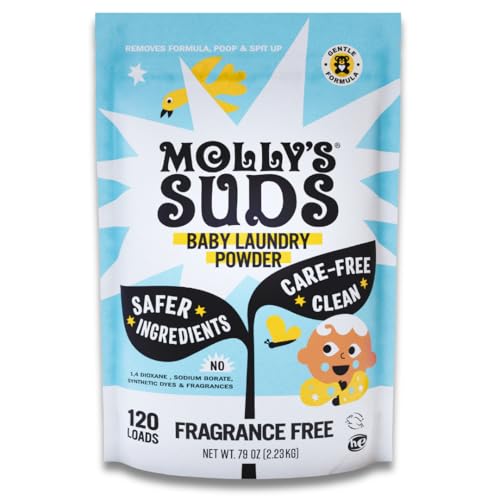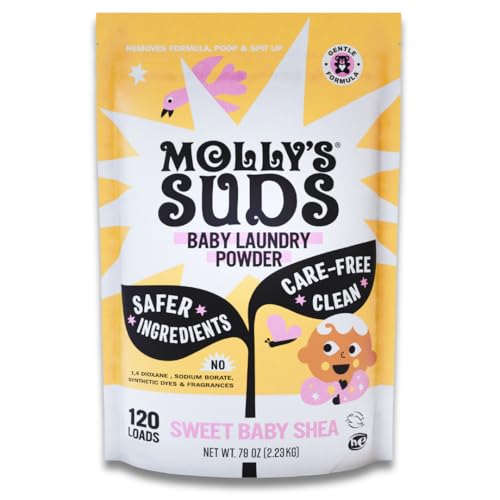
Newborn Washing Powder: Safe & Gentle Baby Laundry
Choose the best detergent for your baby’s sensitive skin – hypoallergenic, fragrance-free, and eco-friendly options that really work.
Shop Top Picks ↓Why newborn washing powder matters: Babies have delicate skin that is up to 5 times thinner than adult skin. Harsh chemicals, fragrances, and dyes can trigger rashes, eczema, or allergies. Using a specially formulated newborn washing powder helps protect your baby’s skin and keeps their clothes soft and clean.
What Makes a Safe Newborn Washing Powder?
Hypoallergenic & Fragrance-Free
Fragrances are a common irritant. Look for detergents labeled “fragrance-free” (not just “unscented”) and “hypoallergenic” – they are clinically tested to minimize allergy risk.
Plant-Based & Biodegradable
Eco-friendly formulations use plant-derived surfactants that are gentle on skin and the planet. They rinse out completely, leaving no residue that could irritate your baby.
No Harsh Chemicals
Avoid optical brighteners, chlorine bleach, and phthalates. These chemicals can cause skin reactions and are unnecessary for cleaning baby clothes effectively.
Dermatologist-Tested
Many pediatricians recommend detergents that have been dermatologist-tested and approved for sensitive skin. This adds an extra layer of safety for your newborn.
How to Choose the Right Baby Laundry Detergent
Read the label carefully. Look for “free & clear” or “sensitive” formulations. Avoid enzymes and fragrances which can be harsh. A hypoallergenic formula is a good starting point, but also check if it’s suitable for high-efficiency (HE) washers.
Consider concentration. Liquid detergents are often easier to measure, but powder detergents can be more eco-friendly (less packaging). For newborns, powder is often recommended because it’s less likely to leave residue if used correctly.
Test a small amount. Wash a single garment and observe your baby’s skin after wearing it. If no redness or itching appears, the detergent is likely safe.
Eco-credentials. If you’re environmentally conscious, choose a plant-based, biodegradable washing powder. Many brands now offer refillable packaging or plastic-free options.
Tips for Washing Newborn Clothes
- Pre-soak heavily soiled items – use a gentle stain remover or baking soda.
- Use warm water – hot water can set stains, cold water may not dissolve powder fully. Warm (around 40°C) is best.
- Double rinse – always run an extra rinse cycle to ensure all detergent residues are removed.
- Dry on low heat – high heat can shrink baby clothes and damage delicate fibers.
- Store safely – keep washing powder out of reach of children, and in a dry place to prevent clumping.
Common Questions About Newborn Washing Powder
Is baby detergent really necessary? Yes, regular detergents often contain enzymes, optical brighteners, and strong fragrances that can irritate a newborn’s sensitive skin. Specialized baby detergents are milder and safer.
Can I use regular free & clear detergent? Many “free & clear” detergents are suitable for babies, but check for the absence of enzymes and dyes. Some parents still prefer a dedicated baby brand for extra peace of mind.
How much powder should I use? For newborns, use half the recommended amount for a small load. This reduces residue while still cleaning effectively.
Is powder better than liquid? Both can be safe. Powder is often more concentrated and eco-friendly, but liquid dissolves more easily in cold water. Choose based on your washing machine and preference.
Our approach: We research and test products thoroughly. Our recommendations are based on dermatological guidelines, parent reviews, and ingredient safety data. We update our guides regularly to reflect new findings.
Still unsure? Read our sleep training methods or check our newborn swaddle blankets guide for more newborn care tips.
If you’re looking for a complete newborn care routine, also see our guides on newborn baby clothes and diaper rash treatment. For eco-conscious families, we also recommend organic baby clothes that pair perfectly with a gentle washing powder.