Zinc Oxide Cream for Baby: The Complete Guide
Learn how zinc oxide cream protects and heals your baby's delicate skin. Expert tips, best practices, and top-rated diaper rash treatments.
SEE RECOMMENDED PRODUCTSWhy Zinc Oxide? Zinc oxide is a mineral compound widely recognized by pediatricians and dermatologists as the gold standard for diaper rash treatment. It forms a protective barrier on the skin, soothes irritation, and promotes healing—making it an essential staple in every baby care routine.
If you're a new parent or caregiver, you've likely encountered diaper rash at some point. It's one of the most common skin conditions in babies, and while it can be uncomfortable for your little one, it's usually easy to treat with the right product. Zinc oxide cream is the most recommended over-the-counter solution for preventing and healing diaper rash. But not all zinc oxide creams are created equal. This guide will walk you through everything you need to know, from how it works to what to look for when choosing the best product for your baby.
What Is Zinc Oxide Cream?
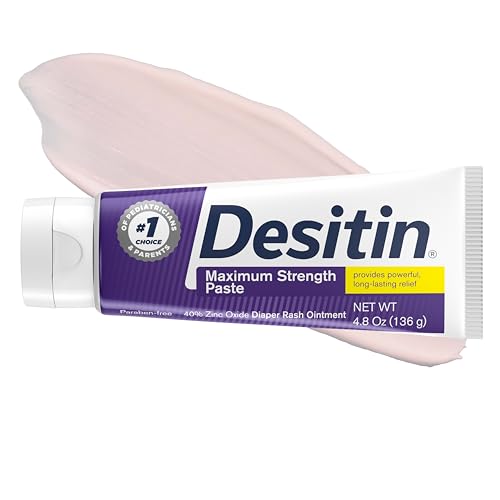
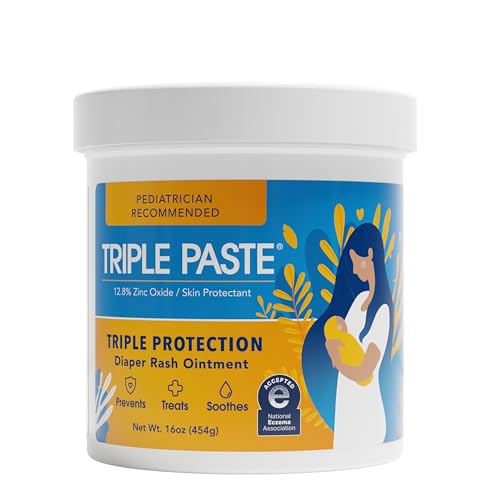
Zinc oxide is a natural mineral that has been used for centuries in skincare. In diaper creams, it acts as a physical barrier between your baby's sensitive skin and moisture, urine, and stool. It also has mild astringent and antiseptic properties, which help reduce inflammation and prevent bacterial or fungal growth. Most diaper rash ointments contain zinc oxide in concentrations ranging from 10% to 40%. The higher the percentage, the more protection it offers—but also the thicker the paste, which can be harder to spread.
When applied correctly, zinc oxide cream creates an invisible shield that allows the skin to heal while keeping irritants out. It's safe for daily use and can be applied at every diaper change as a preventive measure, or more frequently during active rashes.
If you're dealing with a persistent rash, you might also want to explore other diaper rash treatments that complement zinc oxide, such as hydrocortisone or antifungal creams, depending on the cause.
Benefits of Zinc Oxide for Baby Skin
- Barrier Protection: Zinc oxide sits on top of the skin, blocking moisture and irritants from reaching the inflamed area.
- Soothing & Anti-Inflammatory: It helps calm redness, swelling, and discomfort associated with diaper rash.
- Promotes Healing: By keeping the area dry and protected, it gives the skin time to repair itself naturally.
- Safe for Sensitive Skin: Zinc oxide is non-irritating, hypoallergenic, and generally well-tolerated even by babies with the most sensitive skin.
- Antimicrobial Action: It has mild antibacterial and antifungal properties that help prevent secondary infections.
Compared to other ingredients like petroleum jelly or lanolin, zinc oxide is more effective for moderate to severe diaper rash because it stays in place longer and doesn't wash off easily during diaper changes.
For parents looking for alternative or complementary products, you may also consider cradle cap treatments or hypoallergenic diapers to reduce overall skin irritation.
How to Choose the Right Zinc Oxide Cream
With so many options on the market, selecting the best zinc oxide ointment can feel overwhelming. Here are the key factors to consider:
| Factor | What to Look For |
|---|---|
| Concentration | For daily prevention: 10–15%. For active rash: 20–40%. Higher % = thicker barrier. |
| Ingredients | Look for natural, fragrance-free, and paraben-free formulas. Avoid added dyes or harsh preservatives. |
| Texture | Some creams are thick and pasty (better for staying put), others are creamier (easier to spread). Choose based on your preference. |
| Additional Soothers | Many include aloe vera, vitamin E, or calendula to enhance healing and hydration. |
| Ease of Washing | Some formulas are water-repellent and harder to wash off. If you use cloth diapers, check if it's compatible. |
Many parents find that a single tube of high-quality zinc oxide cream lasts for months because only a thin layer is needed. Always read the label to ensure it's pediatrician-recommended and suitable for newborns.
If your baby's rash is accompanied by other symptoms like fever or yeast infection, consult a pediatrician. You may also find our guide on newborn yeast infections helpful to distinguish between conditions.
When to Apply Zinc Oxide Cream
For best results, apply zinc oxide cream at every diaper change, especially if your baby has sensitive skin or is prone to rashes. Here's a simple step-by-step routine:
- Step 1: Clean the diaper area gently with warm water and a soft cloth or fragrance-free wipes. Pat dry completely—moisture trapped under the cream can worsen rash.
- Step 2: Apply a generous layer of zinc oxide cream over the entire area that comes into contact with the diaper. Don't rub it in; leave a visible white film for maximum protection.
- Step 3: Put on a fresh diaper. The cream will act as a barrier throughout the night or between changes.
- Step 4: At the next change, gently wipe away excess cream with a soft cloth or diaper wipe. Reapply if needed.
For severe rashes, you can apply the cream more frequently—even at every feeding. Some parents also use a thin layer of ointment as a preventive measure during teething or after starting solid foods, when diaper changes become more acidic.
Consistency is key. Combining zinc oxide cream with other skin-care practices, such as using hypoallergenic diapers and gentle baby wipes, can significantly reduce the frequency of rashes.
Frequently Asked Questions
Is zinc oxide safe for newborns?
Yes, zinc oxide is safe for newborns and infants. Pediatricians often recommend it as the first line of defense against diaper rash. Always choose a product specifically formulated for babies and free from unnecessary additives.
Can I use zinc oxide cream on other skin issues?
Absolutely. Zinc oxide is also effective for minor burns, cuts, and chafing. Some parents use it on their baby's chin or neck to prevent drool rash. However, for eczema or more severe conditions, consult your healthcare provider.
How long does it take for diaper rash to heal with zinc oxide?
Most mild to moderate rashes improve within 2–3 days of consistent use. If the rash persists beyond a week or worsens, it may be a sign of a yeast or bacterial infection, and you should see a doctor.
Can zinc oxide cream be used with cloth diapers?
Yes, but some thick pastes can leave a residue that reduces absorbency. Choose a cream labeled "cloth diaper safe" or use a liner to protect the diaper.
For more detailed information on diapering and skin care, explore our cloth vs disposable diapers guide and baby laundry tips to keep everything clean.
💡 Pro Tip: When shopping for zinc oxide cream, check the ingredients for zinc oxide percentage and any potential allergens. A simple formula with minimal ingredients is usually the safest bet for your baby's delicate skin. Also, consider buying a multi-pack to keep one in the diaper bag, one at home, and one at the grandparents' house.
Now that you understand the benefits, usage, and selection criteria, you're ready to choose the best zinc oxide cream for your baby. The products listed below are some of the most highly rated and trusted options on the market, recommended by parents and pediatricians alike. They offer a range of concentrations, textures, and added soothing ingredients to suit every need.
Remember, the best cream is the one that works for your baby's unique skin. Don't be afraid to try a couple of different brands until you find the perfect match.