Diaper Changing Pad for Diaper Bag: The Complete Buying Guide
Everything you need to know about choosing a portable changing pad that fits your diaper bag, keeps your baby comfortable, and makes on-the-go changes quick and hygienic.
EXPLORE BUYING FACTORSWhy this guide matters: A diaper changing pad for your diaper bag is one of the most frequently used items in your on-the-go kit. It protects your baby from unclean surfaces, keeps messes contained, and folds away when not in use. This guide breaks down the design types, materials, safety considerations, and practical features so you can choose with confidence.
What Is a Diaper Changing Pad for a Diaper Bag?
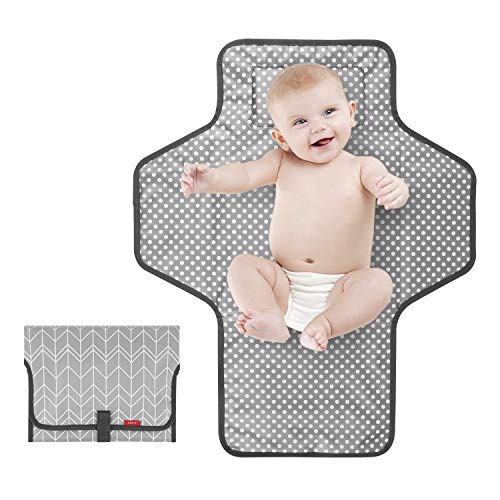
A diaper changing pad designed for a diaper bag is a portable, foldable surface that gives your baby a clean and cushioned spot to lie on during diaper changes outside the home. Unlike a permanent changing station at home, these pads are built for travel: they are lightweight, compact, and usually wipe-clean.
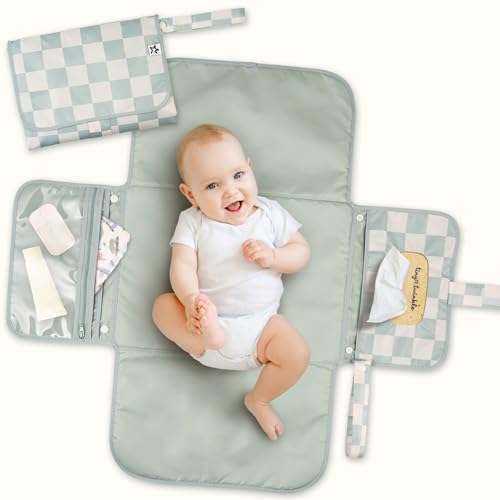
Most portable changing pads fold into a small square or roll into a compact bundle that slides into a dedicated pocket. Some models are integrated directly into the bag itself, while others are standalone pads you can carry separately. If you are still deciding between bag styles, the broader diaper bags category covers how changing pads fit into different bag formats.
The core purpose is hygiene and comfort. Public restrooms, restaurant changing tables, park benches, and car seats are not always clean or padded. A dedicated pad creates a barrier between your baby and the surface, and the cushioned layer keeps your little one comfortable during the change.
Main Design Types of Portable Changing Pads
Portable changing pads come in several formats, and the right choice depends on how you use your diaper bag and how much space you have. Here are the most common designs:
Fold-Out Pad
A flat pad that unfolds into a rectangular changing surface. It is simple, lightweight, and easy to wipe clean. Best for parents who want a no-fuss option that stores flat in a diaper bag pocket.
Built-In Changing Pad
The pad is permanently attached to the diaper bag and folds out from a dedicated compartment. This design keeps everything in one place and is convenient for quick changes. Explore a diaper bag with built-in changing pad if you prefer an all-in-one setup.
Pull-Out Changing Pad
A pad that slides out from a side pocket rather than unfolding from the main compartment. It is quick to access and keeps the pad separate from the rest of your gear. See a diaper bag with pull-out changing pad for this style.
Expandable Changing Pad
An extendable design that offers a larger surface when opened but compresses into a slim profile when stored. Ideal for taller babies or parents who want extra coverage. Compare a diaper bag with expandable changing pad.
Materials and Surface Considerations
The material of a changing pad affects cleanup, durability, and comfort. Most portable pads use a combination of an outer wipe-clean layer and an inner cushioning layer.
- Water-resistant outer layer: Look for easy-wipe surfaces such as PEVA, polyester, or treated nylon. These handle spills and accidents without absorbing moisture.
- Cushioned inner layer: A thin foam or padded insert adds comfort without adding bulk. Heavy-duty padding is not necessary for travel pads, but a little cushioning helps on hard surfaces.
- Non-slip backing: A textured or rubberized underside keeps the pad from sliding on smooth changing tables.
- Machine-washable options: Some fabric pads can be machine washed, which is convenient for heavier messes. Always check the care label before washing.
If you already have a larger bag setup, it helps to understand how a diaper bag with changing station organizes the pad alongside wipes and diapers. For a compact approach, a diaper bag with fold-out changing pad keeps the pad tethered and easy to reach.
Sizing and Fit for Your Diaper Bag
One of the most important practical factors is whether the pad actually fits your diaper bag without crowding out everything else. Consider these measurements and fit points:
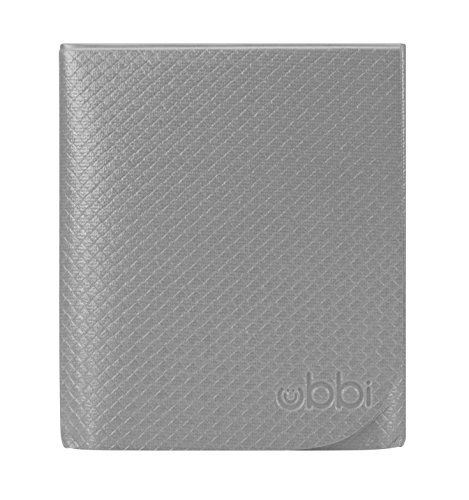
- Folded dimensions: Check the folded size against the pocket or compartment you plan to use. A pad that folds to roughly the size of a small book is easy to store.
- Unfolded surface area: The open pad should comfortably fit your baby's length and width. Newborns need less surface area, but the pad should still have room for a wriggling baby.
- Thickness when folded: A slimmer pad saves space, but a slightly thicker pad offers more comfort. Balance the two based on your priorities.
- Attachment style: Some pads clip or strap onto the bag, while others are permanently attached. Consider whether you want the pad to detach for washing or for use on its own.
If you carry a backpack-style bag, a diaper bag backpack with changing pad typically includes a dedicated sleeve that keeps the pad flat and accessible. For a more structured carry, a diaper bag with attached changing pad eliminates the risk of forgetting the pad at home.
Portable Changing Pad Tiers Compared
Instead of focusing on numbers, it helps to compare pads by their position in the market and the feature set they typically offer. The table below uses universal quality descriptors to help you match a tier to your needs.
| Tier | Best For | Typical Characteristics |
|---|---|---|
| Essential tier | Occasional outings and simple setups | Single-layer wipe-clean surface, basic fold-out design, lightweight construction, minimal padding. |
| Balanced tier | Daily use and regular diaper bag carry | Padded cushioning, non-slip backing, dedicated storage pocket, water-resistant outer layer, moderate folded size. |
| Premium tier | Frequent travel and multi-child use | Reinforced stitching, expandable surface, detachable pad, machine-washable fabric, integrated wipes pocket. |
| Top-tier | Parents who want a complete integrated system | Pad built into the bag with dedicated changing compartment, premium materials, structured organization, long-term durability. |
Entry-level pads are a practical starting point, while mid-range models usually add padding and better attachment options. Premium and top-tier designs focus on durability and integrated organization. Matching the tier to how often you travel and how much you carry is the most reliable way to choose well.
What to Look For Before You Buy
Buying Checklist
- Water-resistant or wipe-clean surface for quick cleanups
- Non-slip backing to keep the pad stable on smooth surfaces
- Folded size that fits your diaper bag's dedicated pocket or compartment
- Enough unfolded surface area for your baby to lie comfortably
- Secure attachment or tether so the pad does not get lost
- Easy-to-clean seams and edges that do not trap mess
- Lightweight construction that does not add bulk to your bag
- Machine-washable option if you prefer fabric over wipe-clean surfaces
- Integrated wipes or diaper pocket for faster changes
Hygiene and Safety Considerations
A portable changing pad is only as useful as it is safe and hygienic. Keep these points in mind:
- Always use the pad on a flat, stable surface. Never place a changing pad on an elevated surface where your baby could roll off.
- Keep one hand on your baby at all times during a change, even if the pad has raised edges.
- Wipe the pad down after each use and allow it to dry fully before folding it back into the bag.
- Separate clean and dirty items. If the pad has a wet or soiled side, use a dedicated pocket or wet bag to store it until you can clean it.
- Check for wear. Replace pads with cracked surfaces, peeling seams, or broken zippers, as these can harbor bacteria.
For related cleanup and care products, see our guides on diaper rash cream and diaper rash cream for sensitive skin to keep your changing routine comfortable for your baby.
Matching a Changing Pad with Your Diaper Bag Style
Your diaper bag format influences which changing pad design works best. Here are a few common pairings:
- Backpack bags: A pad that slides into a dedicated rear or side sleeve works well. A diaper bag backpack often includes a matching fold-out pad.
- Tote bags: Totes have open interiors, so a standalone fold-out pad or one with a tether is easier to manage. A diaper bag tote pairs nicely with a slim, flat pad.
- Bags with insulated pockets: If you carry bottles, look for a pad that stores separately from the insulated section. See a diaper bag with insulated bottle pocket for a layout that keeps feeding gear and changing gear apart.
- Multi-compartment bags: A diaper bag with multiple compartments lets you dedicate one section to the changing pad and another to diapers and wipes.
If you want the pad to double as a full changing surface, a diaper bag that turns into a changing table is worth exploring. For a simpler carry, a standalone diaper changing pad for diaper bag is the most flexible option.
Care and Maintenance Tips
Proper care extends the life of your changing pad and keeps it hygienic:
- Wipe after every use with a baby-safe wipe or a damp cloth.
- Air dry completely before folding to prevent mildew and odors.
- Wash fabric pads according to the care label, usually on a gentle cycle with mild detergent.
- Avoid harsh chemicals that can break down the water-resistant coating.
- Store in a dedicated pocket to keep it separate from clean clothes and feeding items.
For a broader look at bag organization, our diaper bag with lots of compartments guide shows how to keep changing supplies, clothes, and feeding gear separated.
Frequently Asked Questions
Do I really need a separate changing pad if my diaper bag has one built in?
Not necessarily. If your bag includes a built-in pad that fits your baby comfortably and is easy to clean, a separate pad is optional. A standalone pad is useful as a backup or for times when you carry a smaller bag.
How often should I clean a portable changing pad?
Wipe the surface after every change and wash fabric pads according to the care label, typically every few uses or whenever visibly soiled. Air drying fully before folding is important to prevent odors.
Can a portable changing pad be used at home?
Yes. Many parents keep a portable pad in the living room or car for quick changes. It works as a lightweight secondary surface alongside a full diaper changing station with drawers.
What size changing pad fits most diaper bags?
Look for pads that fold to roughly the size of a small book or tablet. Most diaper bag pockets are designed to accommodate standard fold-out pads. Check the folded dimensions against your bag's pocket before buying.
Are wipe-clean pads better than fabric pads?
Wipe-clean pads are faster to maintain and better for frequent travel. Fabric pads can be more comfortable and are machine-washable, but they require more drying time. The best choice depends on your routine.
How do I keep a changing pad from sliding on a public changing table?
Choose a pad with a non-slip or textured backing. If your pad lacks one, place a thin, clean cloth underneath or hold the pad steady with one hand while keeping the other hand on your baby.