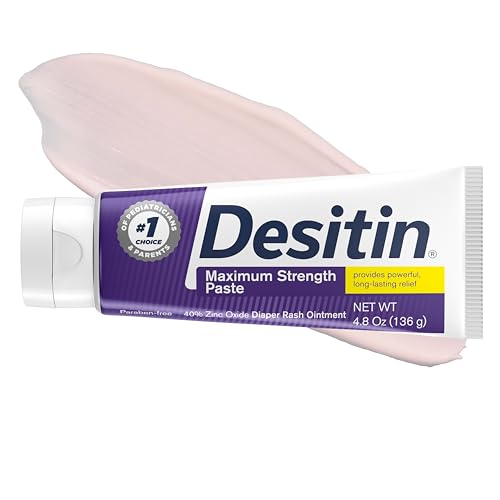
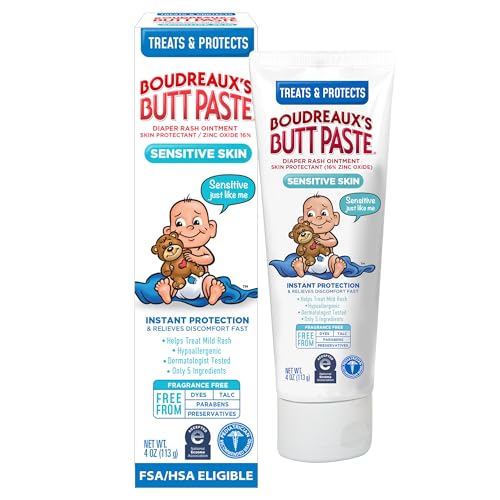
Diaper Rash Cream for Sensitive Skin: The Complete Buying Guide
Discover how to choose a gentle, protective diaper rash cream that soothes irritation, shields delicate skin, and supports your baby's comfort — without unnecessary ingredients.
CradleCheck Philosophy: When your baby's skin is prone to irritation, every ingredient matters. This guide breaks down what to look for in a sensitive-skin diaper rash cream — from barrier-forming agents to hypoallergenic formulations — so you can make a confident, informed choice.
Why Sensitive Skin Needs a Different Diaper Rash Cream
Babies with sensitive skin react more intensely to friction, moisture, and chemical irritants. A standard diaper rash cream may contain fragrances, dyes, or preservatives that trigger redness and discomfort. A cream formulated for sensitive skin minimizes these triggers while still delivering the barrier protection needed to prevent and treat diaper rash.
Understanding the difference between prevention and treatment is essential. Some creams are designed for daily use to protect skin from the effects of wetness and friction, while others are thicker, treatment-oriented formulas meant for active rashes. For sensitive skin, the ideal product often combines both roles: gentle enough for routine application and effective enough to calm flare-ups.
Key Ingredients to Look For
The ingredient list is the most important part of the label when you are shopping for a sensitive-skin formula. Focus on these categories:
- Zinc oxide — A mineral-based skin protectant that forms a physical barrier against moisture. It is widely recommended by pediatricians and is generally well tolerated, even by reactive skin. Concentrations vary; higher percentages typically indicate a thicker, more protective formula.
- Petrolatum or lanolin — Occlusive ingredients that seal in moisture and keep irritants away from the skin surface. If your baby has a known lanolin sensitivity, look for petrolatum-based options instead.
- Dimethicone — A silicone-based protectant that creates a breathable barrier and helps reduce friction, which is especially useful for chafing-prone areas.
- Soothing botanicals — Ingredients such as colloidal oatmeal, calendula, or aloe can help calm redness. However, botanicals are also potential allergens, so introduce them cautiously if your baby's skin is highly reactive.
- Emollients — Ingredients like glycerin or sunflower seed oil help soften and condition the skin barrier, supporting recovery between changes.
Ingredients to Avoid
For a baby with sensitive skin, the following ingredients are best left off your shopping list:
- Fragrance and perfume — A leading cause of contact dermatitis in babies. Even "natural" fragrances can be irritating.
- Dyes and colorants — Unnecessary for function and a common source of reactions.
- Parabens and phthalates — Preservatives and plasticizers that some parents prefer to avoid, particularly in products applied to broken or irritated skin.
- Essential oils — While pleasant, many essential oils are sensitizers and can worsen an existing rash.
- Alcohol — Can sting and dry out already-compromised skin.
Understanding Formulations: Cream, Paste, and Ointment
The delivery format matters almost as much as the ingredients. Here is how the main categories compare for sensitive skin:
| Formulation | Best For | Sensitive-Skin Notes |
|---|---|---|
| Cream | Daily prevention and mild redness | Lightweight, spreads easily, and absorbs faster. Look for fragrance-free versions with zinc oxide or dimethicone. |
| Paste | Active rashes and overnight protection | Thicker and more occlusive. High zinc oxide content is common. May be harder to spread, so apply gently without rubbing. |
| Ointment | Severe dryness, cracking, or barrier repair | Petrolatum-heavy formulas create a strong seal. Choose plain, fragrance-free versions to minimize irritation risk. |
| Spray or stick | Quick application and on-the-go changes | Convenient and less messy, but check for propellants or added fragrance. Verify that the formula suits sensitive skin. |
How to Evaluate a Product Before Buying
Beyond the ingredient list, these practical factors help determine whether a cream is right for your baby:
- Pediatrician or dermatologist testing — Products labeled as tested for sensitive skin or hypoallergenic carry a lower risk of reaction, though no product is universally reaction-free.
- Fragrance-free vs. unscented — These are not the same. "Unscented" may contain masking fragrances, while "fragrance-free" means no fragrance has been added. For sensitive skin, choose fragrance-free.
- Ease of application — A cream that spreads easily reduces friction during changes, which is gentler on irritated skin.
- Rinseability — Some thick pastes require more wiping to remove. If your baby's skin is very reactive, a formula that cleans up easily can reduce mechanical irritation.
- Packaging — Tubes are more hygienic than tubs for repeated use, especially when treating broken skin.
Prevention vs. Treatment: Matching the Cream to the Situation
Sensitive skin benefits from a proactive routine. Use a gentle barrier cream at every change to prevent irritation from developing. When a rash is already present, switch to a thicker paste or ointment and apply a generous layer — ideally at each change and before long naps or nighttime sleep. If the rash does not improve within a few days, or if it shows signs of a yeast infection (such as satellite spots or a bright red, raised border), consult your pediatrician.
For babies prone to diaper rash, pairing the right cream with gentle diapering habits makes a meaningful difference. Choosing diapers for sensitive skin and maintaining a consistent diaper rash prevention routine can reduce the frequency of flare-ups. If you are exploring broader diapering essentials, our diaper cream guide covers additional formulation options, including zinc oxide-based creams and creams formulated for yeast-related rashes.
Quality Tiers: What Different Formulations Offer
To compare products without focusing on numbers, it helps to think in terms of formulation tiers. The descriptors below reflect relative positioning in the market:
| Tier | Typical Characteristics | Best For |
|---|---|---|
| Essential tier | Simple, single-purpose formulas with a short ingredient list; often petrolatum- or zinc-based | Parents who want a straightforward barrier with minimal additives |
| Mid-tier | Balanced formulas combining barrier protection with soothing emollients; usually fragrance-free and dermatologist-tested | Daily prevention for sensitive skin with occasional mild redness |
| High-end tier | Multi-ingredient formulas with specialized soothing complexes, rigorous sensitivity testing, and refined textures | Highly reactive skin or frequent rash cycles that need a more tailored approach |
A mid-tier formula is often a solid starting point for most sensitive-skin babies. If reactions persist despite a clean, fragrance-free formula, stepping up to a high-end tier with more extensive sensitivity testing may be worthwhile. Conversely, an essential-tier plain barrier cream can be an excellent, no-frills choice for prevention.
Application Tips for Sensitive Skin
- Pat, don't rub. Cleanse gently with warm water and a soft cloth, then pat dry before applying cream.
- Apply a visible layer. The cream should be thick enough to protect, but not so thick that it cakes into creases.
- Change frequently. No cream can compensate for prolonged exposure to wetness. Frequent changes are the foundation of rash prevention.
- Allow air time. Brief diaper-free periods help skin dry completely and reduce irritation.
- Patch test new products. Apply a small amount to a small area and watch for reactions over 24 hours before full use.
Frequently Asked Questions
Is zinc oxide safe for sensitive skin?
Yes. Zinc oxide is a mineral protectant that sits on the skin surface rather than being absorbed, making it a well-tolerated choice for most babies, including those with sensitive skin. It is the most common active ingredient in diaper rash creams recommended by pediatricians.
How often should I apply diaper rash cream?
Apply a thin, even layer at every diaper change for prevention. During an active rash, apply a thicker layer more frequently — especially before overnight sleep, when exposure to wetness is longest.
What is the difference between fragrance-free and unscented?
Fragrance-free means no fragrance ingredients have been added. Unscented means the product may contain a masking fragrance to neutralize the smell of other ingredients. For sensitive skin, fragrance-free is the safer choice.
When should I see a doctor about diaper rash?
Contact your pediatrician if the rash does not improve within three days of consistent care, if it blisters or bleeds, if it spreads beyond the diaper area, or if it is accompanied by fever. A rash with satellite spots or a raised, bright red border may indicate a yeast infection that requires targeted treatment.
Ready to Choose the Right Cream?
Explore our curated recommendations for gentle, sensitive-skin-friendly diaper rash creams below. Each option is selected for barrier protection, ingredient transparency, and suitability for reactive skin.
See Recommended Products