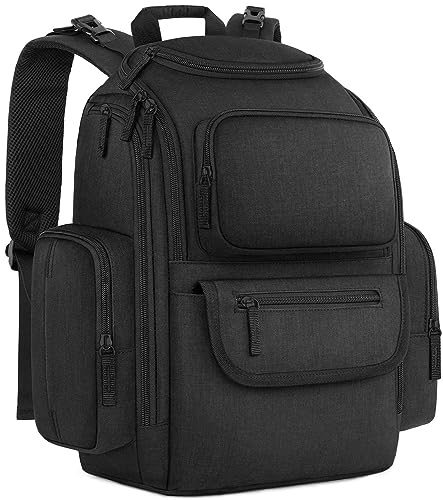
Diaper Bag Backpack With Insulated Pocket
Keep bottles at the right temperature, stay hands-free, and carry everything your baby needs in one organized, comfortable bag. Here is your complete buying guide.
Explore the GuideWhy a Diaper Bag Backpack With an Insulated Pocket Matters
When you are out with a baby, feeding schedules rarely align perfectly with your plans. A bottle that was warm at home can become lukewarm within an hour in a standard bag. An insulated pocket solves this problem by creating a thermal barrier around the bottle, helping it stay at the desired temperature for longer stretches. For formula-fed babies, breastfed babies taking expressed milk, or parents carrying snacks that need to stay cool, this feature transforms a regular diaper bag into a genuinely functional travel companion.
The backpack format adds another layer of practicality. It distributes weight evenly across both shoulders, keeps your hands free for holding your baby or pushing a stroller, and stays secure when you bend down or navigate crowded spaces. Combining the backpack design with an insulated pocket gives you a bag that is comfortable to wear all day and capable of protecting what matters inside.
Key Features to Look For
Not every insulated pocket is built the same way, and the overall bag design matters just as much as the thermal lining. Here are the features that separate a well-designed bag from a generic one.
Thermal Lining Quality
Look for food-grade aluminum foil lining or thick PEVA material. These materials reflect heat and resist moisture, keeping bottles at temperature longer than thin plastic liners.
Pocket Size and Depth
The insulated pocket should fit standard baby bottles, including wide-neck models. A depth of at least 7 inches prevents bottles from tipping over and spilling.
Separate Access
An insulated pocket with its own zipper or flap means you can grab a bottle without opening the entire bag, which helps maintain the internal temperature of both sections.
Multiple Compartments
A dedicated diaper pouch, wipes dispenser, and separate clothing section keep everything organized. Bags with lots of compartments reduce the frantic searching that happens during diaper changes.
Padding and Straps
Wide, padded shoulder straps and a breathable back panel make a full bag comfortable to wear for hours. Chest straps add stability during active use.
Easy-Clean Exterior
Water-resistant or wipeable fabric on the outside means spills and sticky fingerprints do not become permanent stains. This is especially important for bags used daily.
Changing Pad Included
Many backpacks come with a foldable changing pad that stores in its own pocket. A diaper bag backpack with changing pad keeps you prepared for changes anywhere.
Stroller Attachment
Stroller straps or clips let you hang the backpack from the handlebar when your shoulders need a break. This is a small feature that makes a big difference on long outings.
Market Tiers Explained
Diaper bag backpacks with insulated pockets are available across a wide range of quality levels. To help you compare without getting lost in numbers, here is how the market generally segments.
| Tier | Typical Characteristics | Best For |
|---|---|---|
| Entry-level | Basic thermal lining, fewer compartments, standard straps, lighter fabric | Parents who need a functional backup bag or occasional use |
| Mid-range | Better insulation, more pockets, padded straps, water-resistant exterior, includes changing pad | Everyday use for most families |
| Premium | High-grade thermal lining, ergonomic design, durable hardware, multiple insulated pockets, stylish finish | Parents who want a long-term investment and frequent travel |
Mid-range models usually offer the best balance of insulation performance, organization, and comfort for daily parenting. Premium bags add refinement and durability that matter if you plan to use the bag for multiple children. Entry-level options are perfectly serviceable, especially if insulation is a secondary concern.
How Insulated Pockets Actually Work
An insulated pocket is essentially a small cooler built into the bag. The lining is made from materials that reflect radiant heat and slow the transfer of temperature between the inside and outside. Common linings include:
- Aluminum foil lining: Reflects heat back toward the bottle and is lightweight. It works best for short trips and is easy to wipe clean.
- PEVA (polyethylene vinyl acetate): A food-safe, water-resistant material that provides moderate insulation and is free from certain harmful chemicals.
- Foam-backed thermal fabric: Thicker and more effective at holding temperature, often found in premium bags. Adds a bit of bulk but delivers noticeably better performance.
No soft-sided pocket will keep a bottle hot or cold indefinitely. Realistically, a well-insulated pocket slows temperature change for a few hours, which is enough for most outings. For longer trips, consider pairing the bag with a small ice pack or a thermos-style bottle. If you frequently carry both hot and cold items, a bag with a dedicated cooler compartment may be worth considering alongside the insulated pocket.
Comfort and Carry Design
A diaper bag is worn, carried, and put down dozens of times a day. Comfort is not a secondary concern; it is central to whether you will actually enjoy using the bag. When evaluating a backpack, pay attention to the following:
- Shoulder strap width and padding: Wide straps distribute weight and reduce pressure points. Look for at least 2 inches of padding.
- Back panel ventilation: A breathable mesh back panel keeps you cool during long walks or warm weather.
- Chest strap: A removable or adjustable sternum strap keeps the bag from swaying when you move quickly.
- Luggage sleeve: A rear sleeve that slides over rolling luggage handles is a thoughtful feature for air travel.
- Top grab handle: Sometimes you just want to pick the bag up with one hand. A sturdy top handle should be reinforced and comfortable to grip.
If you plan to use the bag with a stroller most of the time, check whether the straps can be stowed or clipped out of the way. Some parents prefer a standard diaper bag backpack without insulation for shorter errands, keeping the insulated version for longer trips.
Backpack vs. Tote vs. Messenger
The backpack is not the only format available, but it has distinct advantages for active parents.
| Format | Advantages | Trade-offs |
|---|---|---|
| Backpack | Hands-free, even weight distribution, secure on the body, comfortable for long wear | Requires taking off to access some compartments |
| Tote | Easy access from the top, looks like a handbag, simple to set down | Shoulder strain when heavy, slips off during active movement |
| Messenger | Quick side access, crosses the body for security | Uneven weight distribution, can be awkward when bending |
For parents who walk often, use public transport, or spend long days out, the backpack format is generally the most practical. If you prefer the look of a tote but want hands-free convenience, a diaper bag that doesn't look like one in backpack form can bridge the gap between style and function.
How to Choose the Right One
With so many options available, narrowing down your choice comes down to a few practical questions.
- How often will you use the insulated pocket? If you carry bottles daily, prioritize insulation quality. If only occasionally, a standard pocket with a small ice pack may suffice.
- How much do you typically carry? A larger capacity bag is useful for full-day outings, but it can become heavy. Match capacity to your usual routine.
- Do you need a changing pad? Most mid-range and premium backpacks include one. If not, look for a bag with a built-in changing pad or purchase one separately.
- Will you use it with a stroller? Stroller straps are a small feature that adds significant convenience. Bags designed as a diaper bag with attached changing pad often include stroller clips.
- What is your style preference? Neutral colors and clean lines work for any outfit. If you want something more expressive, look for patterned or textured fabrics.
If you are still building out your full baby gear collection, our broader baby gear guides can help you see how the diaper bag fits into the rest of your setup.
Care and Maintenance
Keeping your insulated pocket clean protects both the bag and your baby's feeding items. Here is how to care for it without damaging the thermal lining:
- Wipe the insulated lining after each use with a damp cloth and mild soap. Avoid harsh chemicals that can degrade the foil or PEVA surface.
- Air-dry completely before closing the pocket. Trapped moisture encourages odor and mold, especially in humid climates.
- Do not machine wash the bag unless the manufacturer explicitly states it is safe. The structure and lining can warp in a washing machine.
- Spot-clean the exterior with a soft cloth. For stubborn stains, a gentle upholstery cleaner is usually sufficient.
- Store the bag open in a dry place between uses to prevent musty smells and maintain the shape of the pockets.
With basic care, a well-made bag will maintain its insulation performance and appearance for years, making it a worthwhile investment for your family.
Ready to Find Your Ideal Diaper Bag Backpack?
Browse our recommended picks with insulated pockets, comfortable straps, and smart organization for everyday parenting.
See Recommended Products